
Roman Telescope Launches on Falcon Heavy to Map Dark Energy and Exoplanets
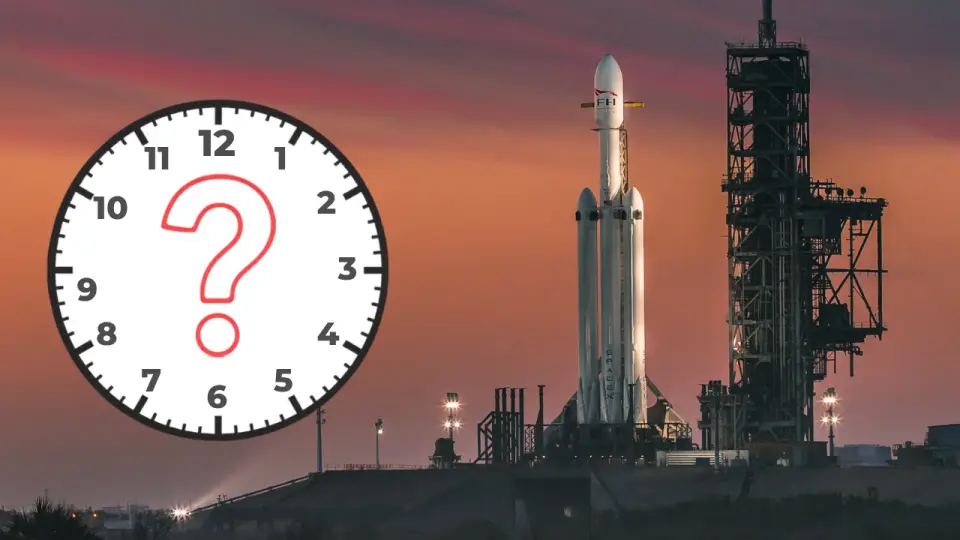
NASA's Nancy Grace Roman Space Telescope is set to launch on a SpaceX Falcon Heavy from Kennedy Space Center on August 30, 2026, at 7:26 a.m. EDT. The observatory will travel to the Sun-Earth L2 point to study dark energy, dark matter, and exoplanets using a field of view 100 times larger than Hubble's.
Key points
- Launch is scheduled for August 30, 2026, at 7:26 a.m. EDT from Launch Complex 39A at Kennedy Space Center.
- The telescope will travel to the Sun-Earth L2 point, approximately one million miles from Earth, for a five-year primary mission.
- Roman features a field of view at least 100 times larger than the Hubble Space Telescope and uses adaptive optics to image exoplanets.
- The mission aims to investigate dark energy, dark matter, and map billions of galaxies, with data made publicly available after processing.
- A backup launch window is set for August 31 if weather or technical issues delay the primary attempt.
Background
Previous coverage confirmed the telescope was cleared for launch after a Flight Readiness Review. Earlier reports noted a 30-day transit to L2 and a multi-month checkout period before science operations begin. The observatory is named after Nancy Grace Roman, NASA's first chief astronomer, who was instrumental in the development of the Hubble Space Telescope.
How outlets are covering it
Space.com and NASA emphasize the logistical details of the launch, including the specific time and location, as well as the scientific goals of mapping dark energy and exoplanets. The New York Times frames the launch as a historic milestone, comparing it to the Hubble and James Webb Space Telescopes, and highlights the legacy of space observatories in expanding human understanding of the universe. WTOP News focuses on the local impact for NASA Goddard Space Flight Center, noting the contributions of local scientists and the telescope's unique 'star glasses' technology for detecting planets.
Why it matters
The Roman Space Telescope represents a significant advancement in astronomical observation, offering a wider field of view than previous telescopes to study fundamental questions about the universe, such as dark energy and the prevalence of exoplanets. Its data will be publicly available, fostering broader scientific and public engagement with cosmic discoveries.
What to watch
NASA will hold prelaunch briefings on August 29 and a postlaunch news conference on August 30. If the August 30 launch is delayed, a backup window is set for August 31. After launch, the telescope will spend about 30 days reaching L2 and approximately three months on checkout before beginning its science mission.
- What time will SpaceX launch NASA's Roman Space Telscope on Aug. 30? (Full mission timeline) Space
- NASA Sets Coverage for Roman Space Telescope Launch from Florida NASA (.gov)
- NASA is about to launch a space telescope that could change how we see the universe NPR
- NASA’s Nancy Grace Roman Telescope Promises a Breakthrough in Cosmic Exploration The New York Times
- Going where no one has gone before? A big launch for Goddard Space Flight Center this weekend. WTOP News
Want the full story? Read the original reporting
Read on Space