
Lava world and habitable-zone companion around a red dwarf spur atmospheric studies
TL;DR Summary
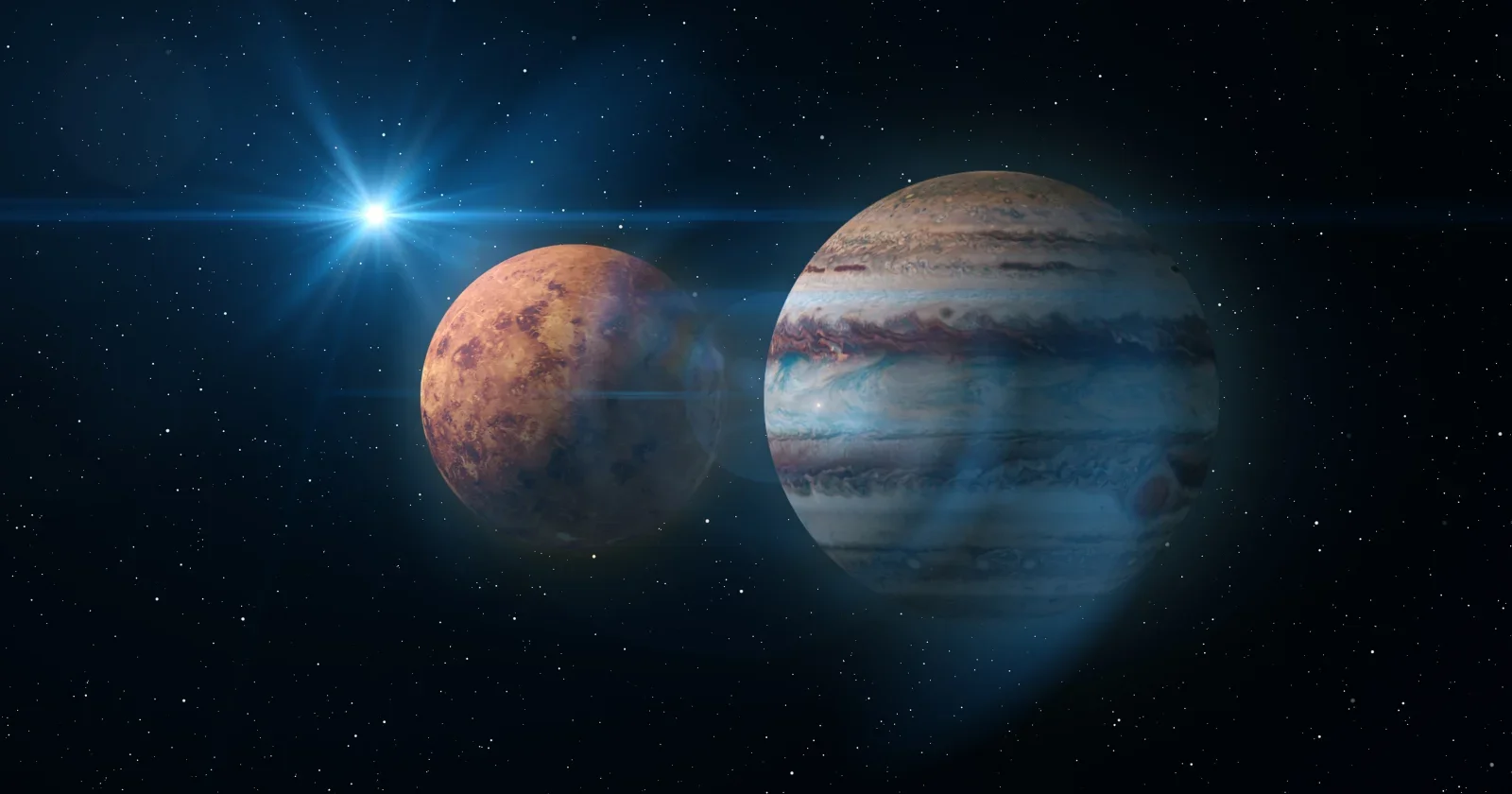
Two planets orbit the same red dwarf TOI-1752: a lava world (TOI-1752 b) with a 0.94‑day orbit and 1.69 Earth radii, and a cooler sub‑Neptune (TOI-1752 c) with a 32.7‑day orbit and 2.29 Earth radii in the optimistic habitable zone, about 337 light‑years away. This rare planetary pairing lets researchers directly compare atmospheric retention under different irradiation using JWST and the Ariel mission, advancing tests of whether exoplanets around M‑dwarfs can hold onto atmospheres. The system was confirmed Aug. 31, 2026 by IAA-CSIC and validated by TRICERATOPS and WATSON-Net, marking a major step for atmospheric characterization in exoplanet science.
- A blistering lava world and a larger planet sitting in the habitable zone have been confirmed orbiting the same red dwarf 337 light-years away, a rare pairing that has put the system near the top of astronomers' list for probing whether an alien world can hold an Space Daily
- Spanish astronomers discover solar system with habitable planet and 'world of lava' Sur in English
- Scientists found 2 planets 337 light-years away— but how are they so different from each other? Know... Moneycontrol.com
- Two New Planets Discovered: One Could Be A Lava World, The Other Could Be Like Earth | Science News news18.com
- A world of lava and another potentially habitable El Mundo America
Reading Insights
Total Reads
1
Unique Readers
7
Time Saved
13 min
vs 14 min read
Condensed
96%
2,685 → 99 words
Want the full story? Read the original article
Read on Space Daily