
Lunar Rovers Jumpstart Artemis: NASA Bets on Fast, Modular Moon Transportation
TL;DR
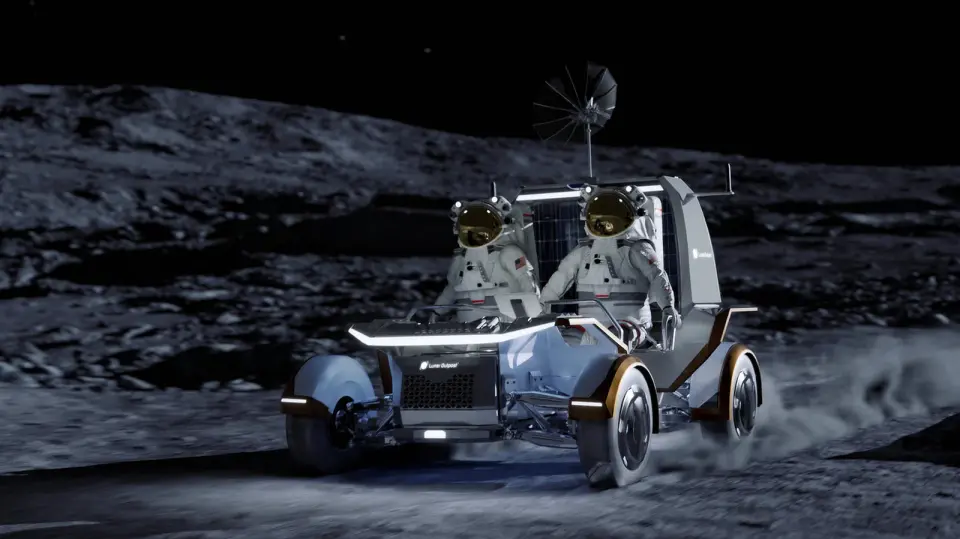
NASA revealed two next‑gen lunar rovers—CLV‑1 by Astrolab and Pegasus by Lunar Outpost—designed for human piloting, teleoperation, or autonomous use, about a ton in weight, roughly 6 mph, and costing ~$220 million each with a 20‑degree incline capability and a ~1‑year lifespan; the agency aims to have them on the Moon by 2028 as part of an iterative Moon Base plan funded largely through private contractors (Blue Origin, Astrobotic, Intuitive Machines) delivering landers and equipment, while MoonFall drones map sites and potentially mark a base perimeter under the Outer Space Treaty; the broader goal is frequent, affordable launches to rapidly build a lasting lunar outpost.
- NASA Unveils Next Generation Of Moon Cars As Plans For A Permanent Lunar Base Take Shape Jalopnik
- NASA lays out moon base plans with landers, buggies and drones at the top of the list NPR
- NASA announces 3 uncrewed missions to the moon this year to prepare to build a base NBC News
- Everything you need to know about NASA's plan to build a Moon base Euronews.com
- NASA picks Blue Origin to deliver lunar rovers to the moon The Washington Post
Want the full story? Read the original reporting
Read on Jalopnik