
Mars Soil Perchlorate Levels Pose Manageable but Real Thyroid Risks for Astronauts
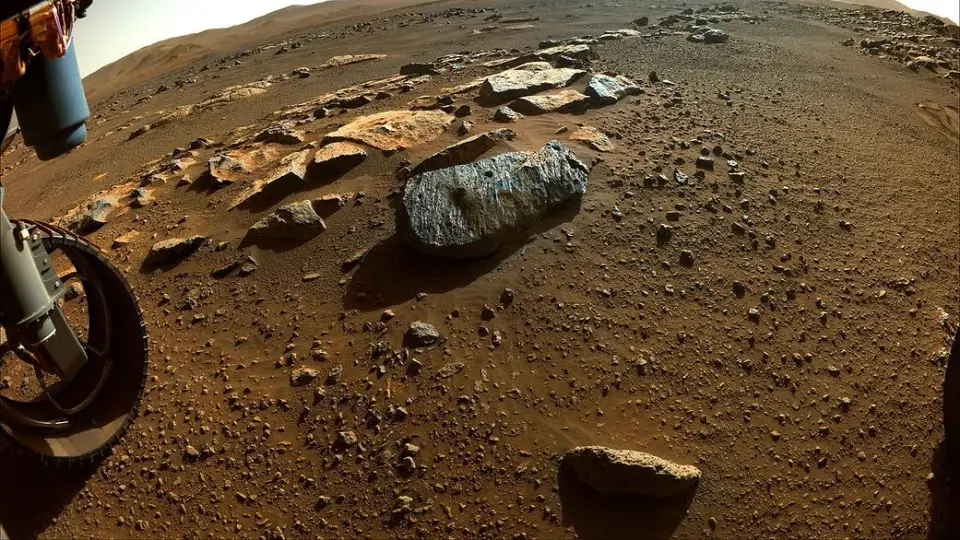
Martian soil contains approximately 0.5% perchlorate salts, which can interfere with human thyroid function. While this poses a chemical hazard for astronauts, NASA’s 2026 dust limits suggest the risk is manageable through strict habitat engineering and air filtration.
Key points
- NASA’s Phoenix lander measured perchlorate concentrations between 0.4% and 0.6% in Martian soil in 2008.
- Perchlorates compete with iodide for entry into thyroid cells, potentially reducing hormone production at sufficient doses.
- NASA’s 2026 working group set a 24-hour exposure limit of 0.1 mg/m3 for particles smaller than 10 micrometres.
- The agency classifies inhaled perchlorate as a low risk if total airborne dust levels are controlled.
- Ingestion risks remain if crews process local regolith or ice for water and food, requiring separate chemical treatments.
Background
This issue follows earlier concerns raised by physicists and NASA working groups regarding Martian dust as a primary obstacle to long-term colonization. Previous reports highlighted that dust ingress could contaminate habitats and life-support systems, with experts emphasizing prevention and filtration. The current assessment builds on these foundational worries by providing specific chemical data and exposure limits.
Why it matters
Understanding the specific chemical toxicity of Martian dust is critical for designing safe habitats. It shifts the focus from mere cleanliness to environmental control, ensuring that life-support systems can mitigate health risks from unavoidable dust ingress during long-duration missions.
What to watch
NASA will continue to refine exposure standards as more data becomes available. Future missions may utilize engineered microbes to reduce perchlorate levels, though this technology is not yet assigned to crewed missions. Long-term settlements will require updated evidence bases beyond current short-stay limits.
Want the full story? Read the original reporting
Read on Space Daily