
NASA formally concludes OSIRIS-REx mission, marking the end of a decade-long asteroid sampling effort
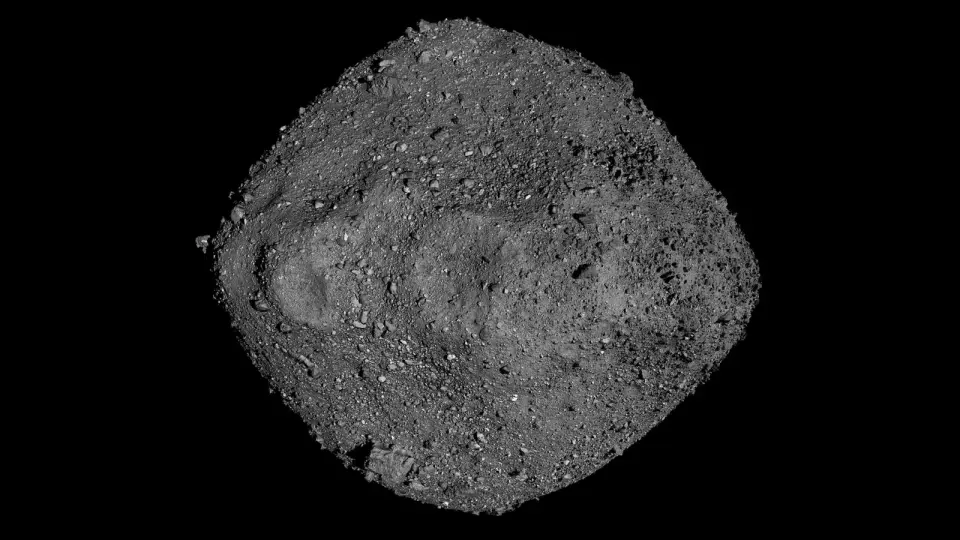
NASA has officially closed the OSIRIS-REx mission, concluding a decade-long effort to retrieve a sample from asteroid Bennu. The spacecraft successfully returned the largest asteroid sample ever collected, providing critical insights into the early solar system and potential origins of life.
Key points
- NASA formally concluded the OSIRIS-REx mission on September 30, marking the end of its operational phase.
- The mission successfully returned a sample from asteroid Bennu, which contains organic building blocks and remnants from over 4.5 billion years ago.
- Principal Investigator Dante Lauretta expressed pride in the mission's achievements, noting the difficulty of seeing it end after a decade of work.
- The project faced two initial rejections by NASA before securing funding under the New Frontiers Program in 2011.
- OSIRIS-REx launched in September 2016 and overcame significant engineering challenges to deliver the sample to Earth.
Background
Recent analyses of the returned samples, as reported in our archive, suggest Bennu formed near the water-ice boundary rather than the outer solar system, challenging previous assumptions about its origin. Additionally, ESA's Hera probe is currently inspecting the DART impact site, highlighting continued international focus on asteroid science and planetary defense.
Why it matters
The conclusion of OSIRIS-REx signifies a major milestone in planetary science, as the returned samples provide unprecedented data on the early solar system and the potential delivery of organic materials to Earth, which may have seeded life.
What to watch
NASA will likely focus on analyzing the returned samples further and planning future missions, while international efforts like ESA's Hera probe continue to advance our understanding of asteroid composition and planetary defense strategies.
Want the full story? Read the original reporting
Read on Space