
NASA Solicits Commercial Proposals to Rescue Hubble Before 2033 Reentry
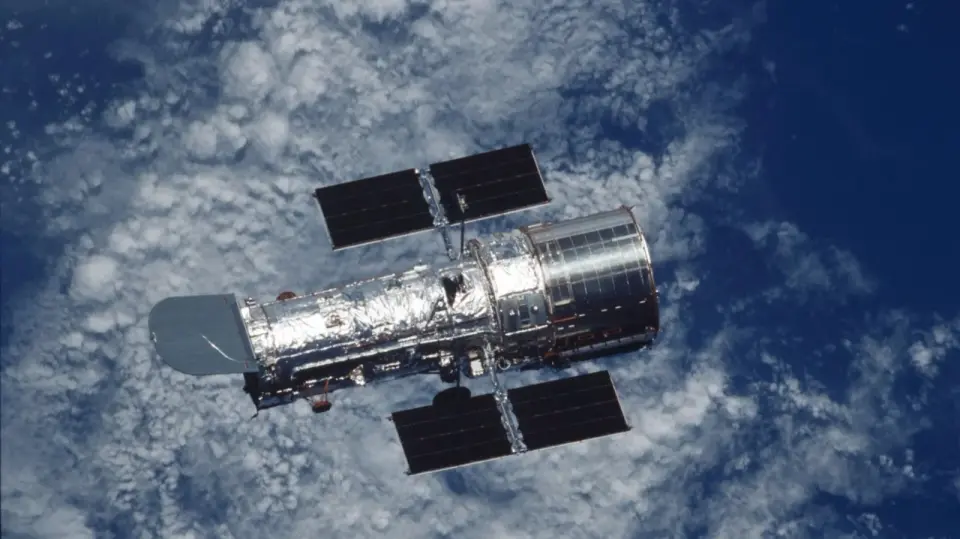
NASA issued a Request for Information on October 29, seeking commercial proposals to reboost, service, or safely dispose of the Hubble Space Telescope by 2032. Hubble, launched in 1990, is losing altitude and predicted to reenter the atmosphere in 2033-2034. The agency requires a target altitude of 600 km and notes no funding is currently allocated. Responses are due November 30.
Key points
- NASA released an RFI on October 29, 2026, inviting commercial firms to propose missions to boost Hubble’s altitude, service it, or execute a controlled reentry.
- Hubble is currently at an altitude of 470 km and is predicted to reenter the atmosphere between 2033 and 2034 without intervention.
- Proposals must detail capabilities to reach Hubble by 2032, boost it to at least 600 km, or ensure a safe disposal, with no harm to the telescope.
- NASA has no funding allocated for a rescue mission but is assessing costs and capabilities from the private sector.
- The agency previously attempted to secure a reboost in 2022 but deemed the concepts too notional and risky.
Background
Hubble has operated for over 36 years, with its last orbital reboost occurring during the 2002 Space Shuttle Columbia mission. Since the shuttle fleet retired in 2011, Hubble has steadily lost altitude due to atmospheric drag. In 2022, NASA Administrator Jared Isaacman proposed a crewed servicing mission using SpaceX’s Dragon, but the agency concluded the concepts were notional. A 2024 review of eight proposals, including a robotic reboost from Astroscale and Momentus, failed to yield a viable solution. Recently, NASA successfully tested commercial servicing capabilities with a $30 million contract to Katalyst Space Technologies to rescue the Swift telescope, though that mission did not achieve full proximity.
How outlets are covering it
Gizmodo emphasizes the urgency of saving Hubble, framing the RFI as a plea to the commercial space industry to assist a legacy asset. Ars Technica highlights the history of failed attempts, noting that previous proposals were deemed notional and that the commercial servicing industry has matured since 2022. NASA’s official statement focuses on the scientific value of extending Hubble’s life and the potential for cost-effective solutions. SpaceNews notes that NASA is restarting the search more than two years after concluding existing options were too risky. All sources agree that Hubble lacks onboard propulsion and requires external intervention to avoid reentry.
Why it matters
Hubble remains a critical instrument for visible and ultraviolet astronomy, with no direct replacement until the Habitable Worlds Observatory in the 2040s. A successful reboost could extend its operational life by at least 25 years, preserving its scientific output. The RFI also tests the readiness of the commercial space industry for complex in-space servicing missions, potentially setting precedents for future satellite maintenance and disposal strategies.
What to watch
NASA will review proposals submitted by the November 30, 2026 deadline. The agency will assess the feasibility, cost, and technical capabilities of the submitted concepts. If a viable proposal emerges, NASA may allocate funding for a mission to be executed by 2032. If no suitable option is found, NASA may proceed with a controlled reentry or disposal of the telescope.
- NASA’s Begging the Commercial Space Industry to Save the Doomed Hubble Telescope Gizmodo
- Once again, NASA is asking for ideas to rescue Hubble from certain death Ars Technica
- NASA Explores Potential Commercial Servicing for Hubble Telescope NASA Science (.gov)
- NASA seeks ideas for Hubble servicing mission SpaceNews
- NASA ponders a Hubble servicing mission or a controlled deorbit The Register
Want the full story? Read the original reporting
Read on Gizmodo