
NASA's Roman Space Telescope set to chart a 100,000-planet census and rogue worlds
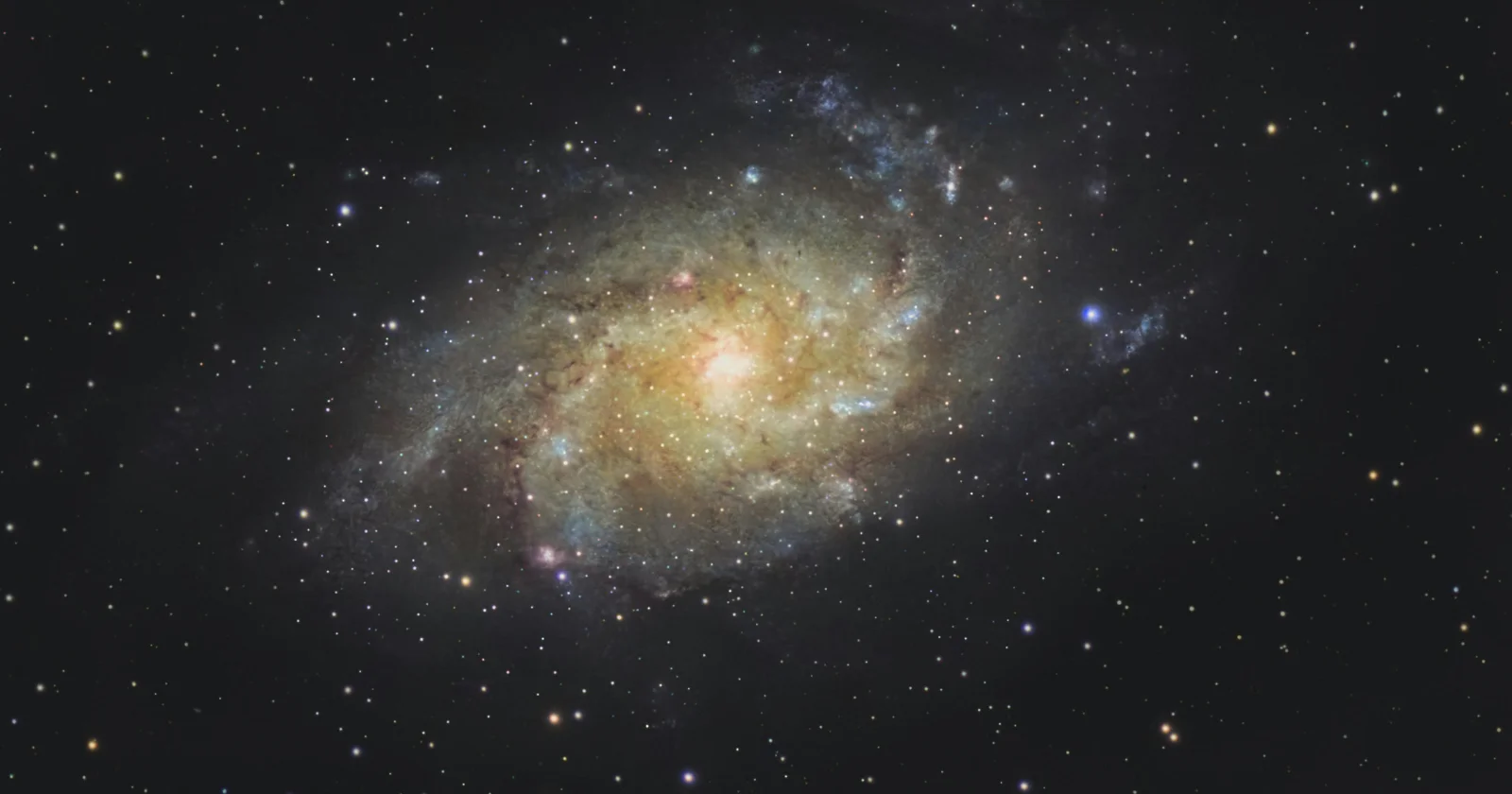
NASA’s Nancy Grace Roman Space Telescope, slated for launch by May 2027, will conduct a five-year survey that could detect about 100,000 transiting exoplanets and assemble the largest catalogue of rogue planets via gravitational microlensing, complemented by a coronagraphic program to image select giant planets. The mission combines a Wide Field Instrument for transit hunting with a Galactic Bulge Time-Domain Survey that observes six bulge fields in high cadence to capture microlensing events, enabling population-level statistics on planet occurrence—such as Earth-sized planets in habitable zones—and on rogue planets roaming the galaxy, far beyond the roughly 6,000 confirmed exoplanets today.
- NASA's next major space telescope, the Nancy Grace Roman, is expected to find roughly 100,000 new transiting planets in just five years — along with the largest catalogue ever assembled of rogue worlds drifting through the galaxy without a star to orbit Space Daily
- NASA’s Roman Mission Preps to Unveil New Populations of Faraway Worlds NASA (.gov)
- NASA's Nancy Grace Roman telescope aims to unlock dark energy secrets KOMO
- Moment of Science: NASA’s Roman Space Telescope set to revolutionize astronomy WTVG
- This new and revolutionary NASA telescope could launch into space earlier than expected! yourweather.co.uk
Reading Insights
0
37
13 min
vs 14 min read
96%
2,773 → 99 words
Want the full story? Read the original article
Read on Space Daily