
Roman Space Telescope sets course for L2 to unlock exoplanets and dark-energy mysteries
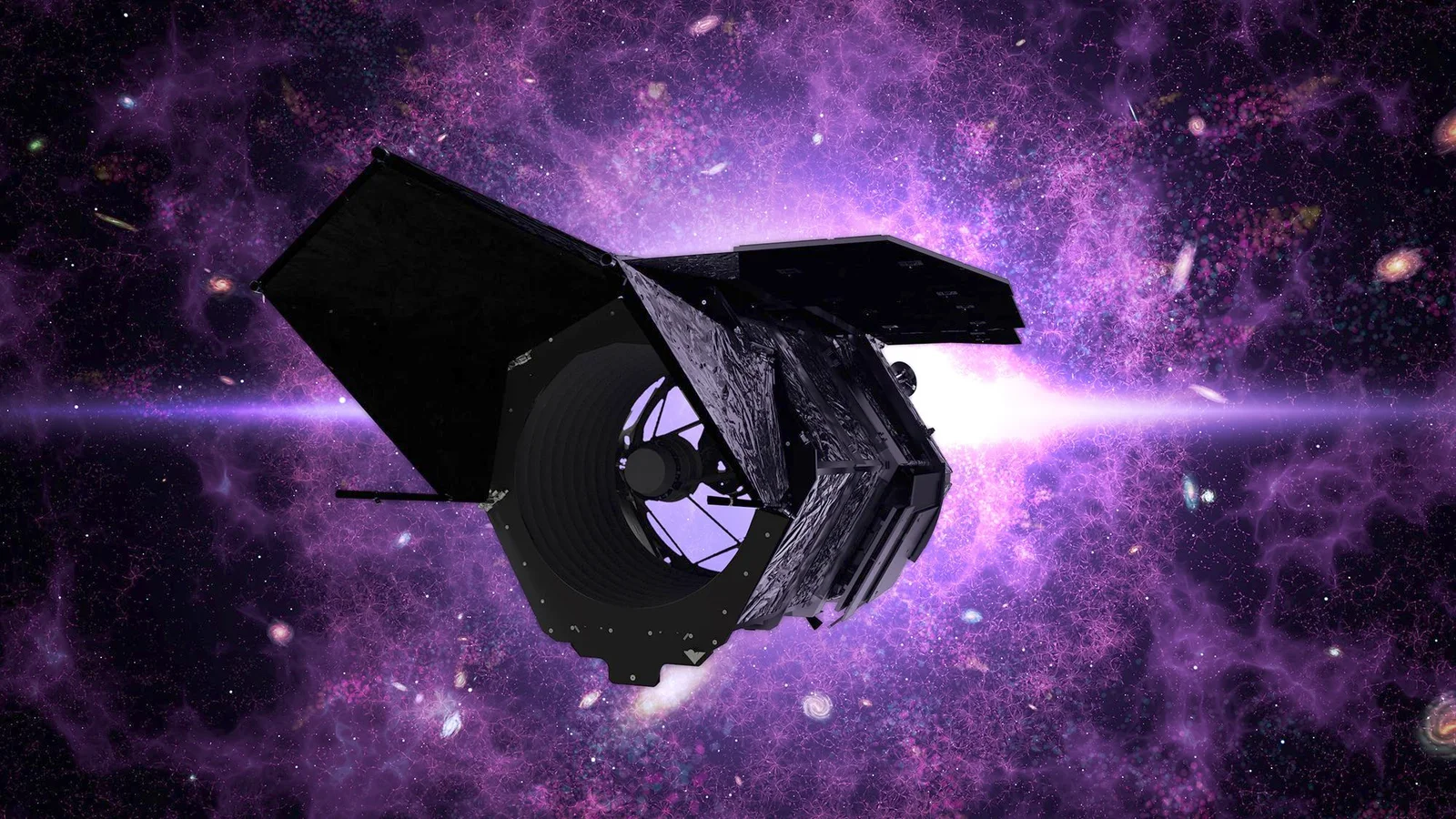
TL;DR Summary
NASA’s Nancy Grace Roman Space Telescope launched on Aug. 30 aboard SpaceX’s Falcon Heavy and will travel to the sun–Earth L2 point, where its instruments will be commissioned before science begins in early 2027. After a roughly 30‑day transit, Roman will settle into a large looping orbit at L2, enabling the Wide Field Instrument to map the cosmos and the Coronagraph Instrument to directly image exoplanets. The five-year primary mission aims to discover thousands of exoplanets and probe dark energy and dark matter, with the potential for extensions and collaboration alongside JWST’s work, rather than overlap.
Topics:science#coronagraph-instrument#exoplanets#lagrange-point-2#roman-space-telescope#space#wide-field-instrument
- What's next for Roman Space Telescope? Here's how NASA's flagship observatory will open up the universe Space
- NASA’s Dark Universe-Seeking Nancy Grace Roman Space Telescope Launches NASA (.gov)
- Roman Space Telescope, NASA's next "great observatory," launches into space CBS News
- Why it matters that President Trump just dialed in to a NASA news conference Ars Technica
- Roman telescope leaves its rocket behind photo of the day for Aug. 31, 2026 Space
Reading Insights
Total Reads
1
Unique Readers
15
Time Saved
163 min
vs 164 min read
Condensed
100%
32,645 → 96 words
Want the full story? Read the original article
Read on Space