
SpaceX Completes Transporter-18 Rideshare with 130 Payloads in Polar Orbit
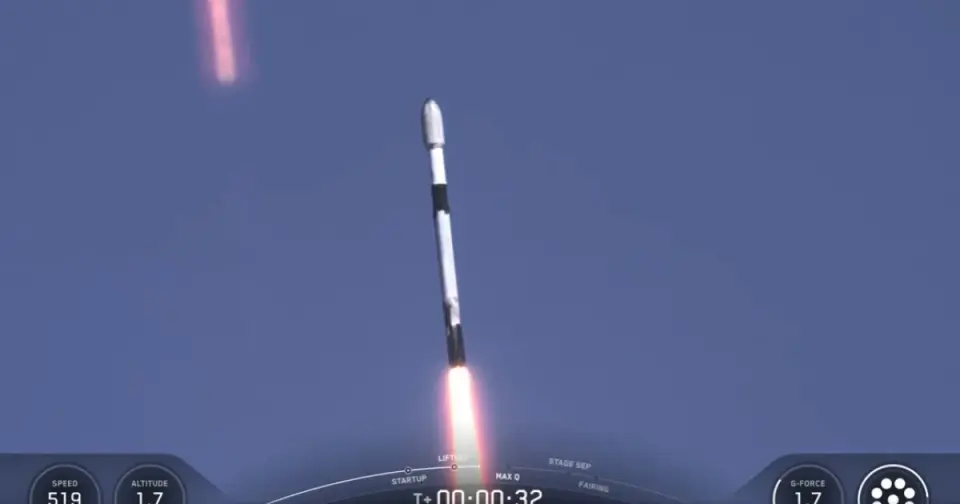
SpaceX successfully launched its Transporter-18 rideshare mission from Vandenberg Space Force Base on October 1, 2026, deploying 130 small satellites into low-Earth orbit. The Falcon 9 booster, designated B1082, completed its 25th flight, landing safely at Landing Zone 4 approximately 7.5 minutes after liftoff. This mission marked the second leg of a planned tripleheader launch day, following the Crew-13 mission from Florida. The payloads included a prototype for Google’s Project Suncatcher, a methane tracker, and pharmaceutical manufacturing labs, all deployed into a polar orbit over an 11-minute period.
Key points
- Liftoff occurred at 11:32 a.m. PDT from Space Launch Complex 4 East at Vandenberg Space Force Base.
- The mission carried 130 payloads, including a Google AI prototype and a methane-tracking satellite.
- Booster B1082 landed at Landing Zone 4, marking its 25th flight and the 36th landing at that site.
- The launch was the second of three missions for SpaceX on October 1, following the Crew-13 launch from Florida.
- Payload deployment into polar orbit took approximately 11 minutes, beginning about 54 minutes after liftoff.
Background
Vandenberg Space Force Base has supported over 60 West Coast launches in 2026, many involving SpaceX. Recent months have seen a surge in classified U.S. Space Force missions from the same site, including USSF-153 and USSF-385, which utilized different boosters and landing methods. The Transporter program is SpaceX’s dedicated rideshare service for small satellites, distinct from its Starlink or national security missions.
How outlets are covering it
KSBY News emphasized the sonic booms heard by locals due to the booster’s re-entry and confirmed the 130-payload count. Spaceflight Now provided detailed technical data, noting the booster’s 25th flight and the specific deployment timeline. Space.com highlighted the diversity of the payloads, specifically naming Google’s AI prototype and pharmaceutical labs, while framing the launch as part of a 'tripleheader' day. All sources agree on the success of the launch and the landing of booster B1082, but differ in emphasis: local impact versus technical milestones versus payload specifics.
Why it matters
The successful Transporter-18 launch demonstrates SpaceX’s ability to execute high-frequency, multi-mission days and its growing role in deploying diverse commercial and scientific payloads. The reuse of booster B1082 for its 25th flight underscores the company’s progress in reducing launch costs through reusability. The inclusion of Google’s AI prototype signals increasing interest in orbital AI capabilities, while the rideshare model continues to provide access to space for smaller entities.
What to watch
SpaceX is expected to continue its Transporter rideshare program, with future missions likely launching from Vandenberg or Cape Canaveral. The company may also proceed with additional Starlink or national security launches, given the high activity at Vandenberg in 2026. The success of this mission supports SpaceX’s goal of frequent, reliable access to low-Earth orbit for various customers.
- SpaceX’s Transporter-18 Mission could bring sonic booms to Central Coast KSBY News
- Transporter-18 Mission SpaceX
- Live coverage: AI datacenter prototypes, energy redirection demonstrators and more launching on SpaceX’s Transporter-18 – Spaceflight Now Spaceflight Now
- Watch SpaceX launch Google AI satellite, 129 other payloads to orbit today Space
- Four Starshield launches in 43 days from one pad show… · SpaceX Daily 🚀 Buttondown
Want the full story? Read the original reporting
Read on KSBY News