
NASA and SpaceX finalize $5.92 billion contract for expanded ISS crew rotations
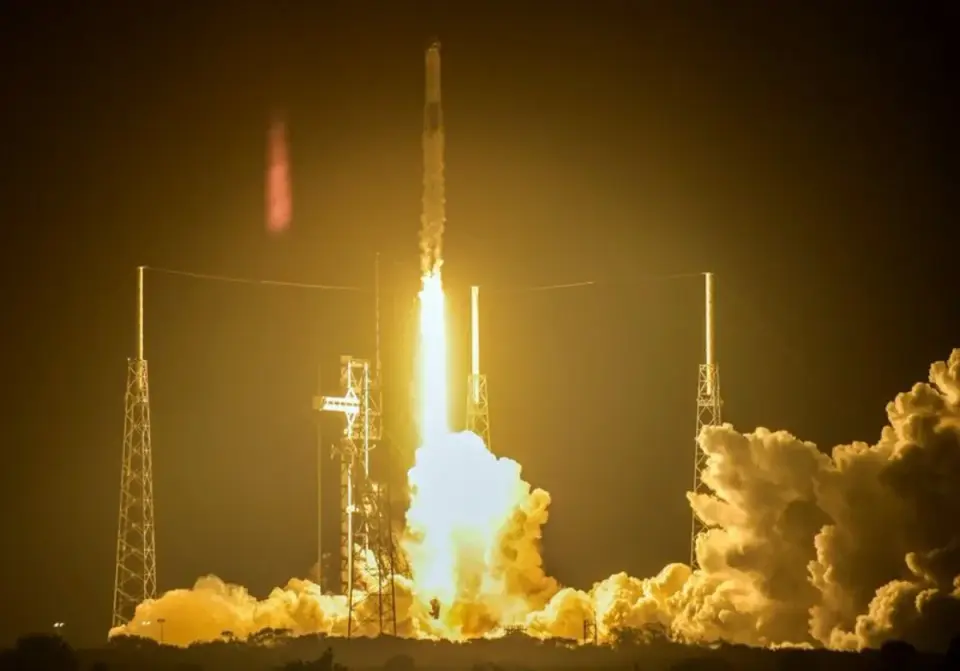
NASA and SpaceX have finalized an expanded contract worth approximately $5.92 billion to continue crewed flights to the International Space Station. This agreement secures additional Dragon missions through 2030, ensuring continuous US access to low-Earth orbit as the agency transitions away from the Dragon program toward Starship and Boeing Starliner alternatives.
Key points
- The total value of the Commercial Crew Transportation Capability contract reaches $5.92 billion, including a recent $950 million extension for three additional flights.
- SpaceX will provide ground support, launch services, in-orbit operations, recovery, and lifeboat support for the missions.
- The contract ensures crew rotations continue through 2030, overlapping with the anticipated retirement of the ISS.
- Boeing’s Starliner remains the other NASA partner, with plans for two additional crewed missions to maintain competition.
- Crew 13 and Crew 14 launches are scheduled for October and next spring, respectively, following previous delays due to technical issues.
- The expansion supports NASA’s goal of preserving continuous human presence in orbit as commercial stations are developed.
Background
This development follows a series of recent adjustments to NASA’s commercial crew program. In September 2026, NASA extended SpaceX’s contract with a $950 million add-on for three more ISS Dragon flights, bringing total payments to $5.92 billion if all missions proceed. Prior to this, the Crew-13 launch was delayed in August 2026 due to an oxidizer leak in Dragon’s propulsion system, pushing back the mission from September 12. Meanwhile, NASA has also backed Boeing’s Starliner for future crewed flights, planning two additional missions and funding propulsion fixes to ensure Starliner remains a viable alternative as SpaceX winds down the Dragon program in favor of Starship. These moves occur against the backdrop of potential ISS retirement around 2030, with concerns that China’s Tiangong could become the only permanently crewed station if commercial replacements are not ready in time.
Why it matters
The expanded contract stabilizes NASA’s crewed spaceflight strategy by locking in long-term funding and operational continuity. It reduces reliance on a single provider by maintaining Boeing’s Starliner as a competitive alternative, while also allowing SpaceX to transition its technology focus to Starship. This ensures the US maintains independent access to low-Earth orbit during the critical transition period from the ISS to commercial stations, mitigating risks associated with the ISS’s eventual retirement and potential gaps in crewed orbital presence.
What to watch
Crew 13 is expected to launch in October 2026, followed by Crew 14 in the spring of 2027. NASA will continue to monitor the performance of both SpaceX and Boeing systems, with further decisions on Starliner certification and additional missions likely to follow. The agency will also coordinate with commercial partners to ensure a smooth transition to new orbital platforms as the ISS approaches its end-of-life around 2030.
Want the full story? Read the original reporting
Read on Yahoo Finance