
SpaceX Starship Achieves First Orbital Flight, Deploys 26 Starlink V3 Satellites
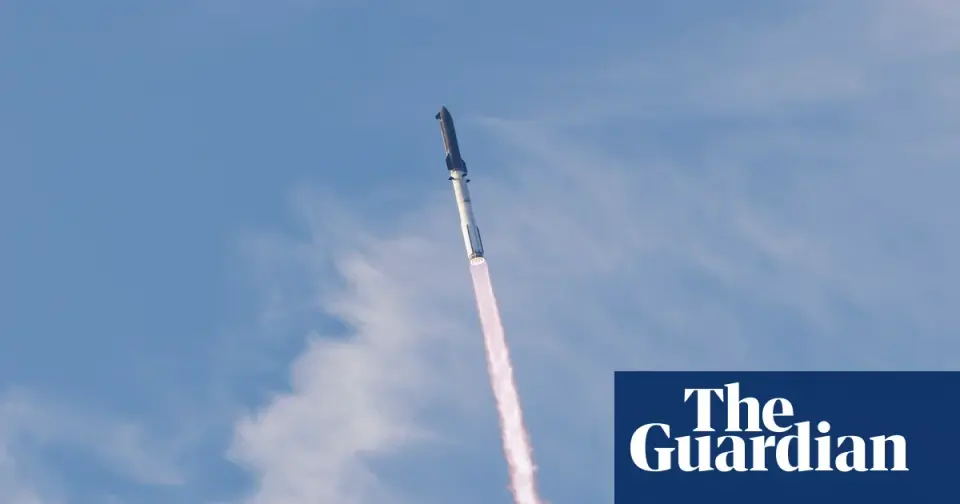
SpaceX successfully launched its Starship rocket into Earth orbit for the first time on September 28, 2026, marking a critical milestone for future lunar and Mars missions. The 14th test flight deployed 26 next-generation Starlink V3 satellites, though the mission ended early due to engine issues. The achievement validates the vehicle's orbital capabilities but highlights ongoing technical challenges with the Raptor 3 engines.
Key points
- Starship reached an altitude of 171 miles (275 km), achieving orbital velocity for the first time in its 14th test flight.
- The mission deployed 26 Starlink V3 satellites, which are too large for Falcon 9 rockets and offer 10 times the capacity of previous models.
- An engine failure during ascent caused SpaceX to abort the planned 10-hour mission, resulting in an early splashdown in the Pacific Ocean after three hours.
- The Super Heavy booster successfully splashed down in the Gulf of Mexico, while the upper stage reentered and disintegrated upon impact.
- SpaceX confirmed that the Raptor 3 engine variant continues to face reliability issues, with multiple failures noted in recent test flights.
Background
This launch follows a series of suborbital test flights since 2023, where Starship was intentionally limited to avoid orbital risks. Previous attempts in March and May 2026 ended in explosions or uncontrolled separations. The company had previously targeted September 22 for this orbital test, but regulatory approvals and technical checks pushed the date to September 28. This mission is crucial for NASA’s lunar program and SpaceX’s goal of fully reusable rockets.
How outlets are covering it
The Guardian emphasized the emotional reaction at SpaceX, noting cheers as the rocket achieved orbit despite an engine failure. Ars Technica provided technical details, highlighting that one Raptor engine shut down prematurely, forcing a conservative decision to abort the long-duration test. Space.com focused on the visual success of the satellite deployment, describing the 'Pez dispenser' mechanism used to release the Starlink V3s. All sources agreed that while the orbital insertion was a success, the early termination and engine glitches indicate that Starship is not yet fully operational for long-duration missions.
Why it matters
This flight marks the transition of Starship from a test vehicle to a working orbital platform, essential for NASA’s Artemis program and SpaceX’s Starlink network expansion. The successful deployment of Starlink V3 satellites, which provide 1 Tbps of capacity, will significantly enhance global broadband coverage. However, the engine issues underscore the need for further testing before Starship can be relied upon for crewed missions to the Moon and Mars.
What to watch
SpaceX is expected to launch another Starship flight in October, potentially from a new pad at NASA’s Kennedy Space Center in Florida. The company is working to resolve Raptor 3 engine reliability issues, with Elon Musk noting that the new design requires many iterations to perfect. Future flights will likely include more Starlink V3 satellites as SpaceX integrates them into the broader constellation.
- ‘Starship is in orbit’: cheers go up as huge SpaceX rocket circles Earth for first time The Guardian
- SpaceX Starship test reaches Earth orbit, 26 Starlink satellites deployed Yahoo Finance
- SpaceX’s Starship goes orbital, deploying first next-gen Starlinks Ars Technica
- Wow! Watch SpaceX's Starship megarocket deploy satellites into orbit for 1st time ever (photos, video) Space
- Starship returns to Earth; rocket splashes down north of Hawaii after three-hour flight Spaceflight Now
Want the full story? Read the original reporting
Read on The Guardian