
SpaceX upper stage to crash into the Moon on August 5, offering a rare viewing window
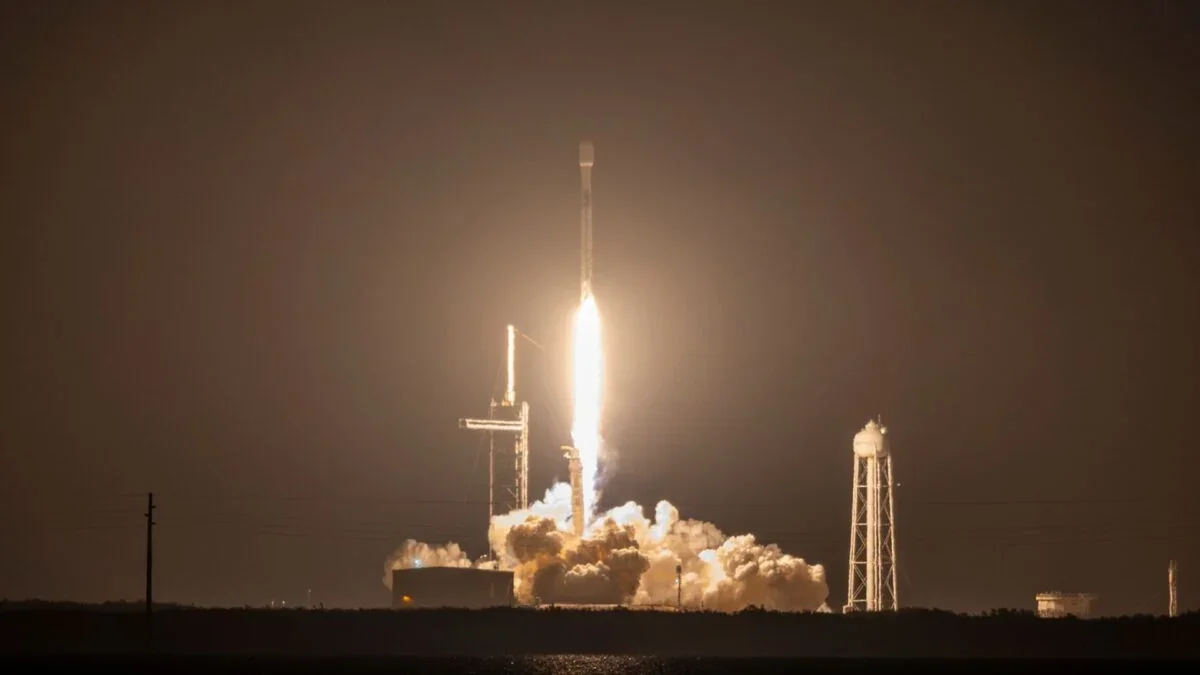
A spent SpaceX Falcon 9 upper stage from the January 15, 2025 mission is on a highly elliptical Earth orbit and is expected to impact the Moon near Einstein Crater on August 5 at about 2:44 a.m. ET. The impact, traveling faster than 5,400 mph (8,700 km/h), is predicted to create a 66–98 ft (20–30 m) crater and ejecta plumes visible from Earth with ground- and space-based telescopes. Observers will need darkness and a favorable Moon angle, with South America and parts of North America offering the best chances; Hawaii and Alaska are less favorable. The event could yield data on lunar dust/plume dynamics and debris hazards, and help test methods for pinpointing impact sites for future seismic experiments. The mission’s other landers and orbital assets may or may not observe the event, and some instruments (like NASA’s LRO UV sensors) won’t be in position to study the gases.)
- A Stray SpaceX Rocket Will Crash Into the Moon Next Month. Here's What You Should Know Gizmodo
- A SpaceX rocket is about to crash into the moon—scientists will be watching Scientific American
- When a SpaceX rocket crashes into the moon, scientists will be watching Phys.org
- Elon Musk SpaceX Rocket Is Set To Crash Into the Moon—What You Need To Know Newsweek
- NASA says SpaceX rocket debris could hit the Moon Euronews.com
Reading Insights
1
27
3 min
vs 4 min read
79%
697 → 149 words
Want the full story? Read the original article
Read on Gizmodo