
Tiangong May Become Sole Crewed Orbital Hub If ISS Retires Before Commercial Successors Launch
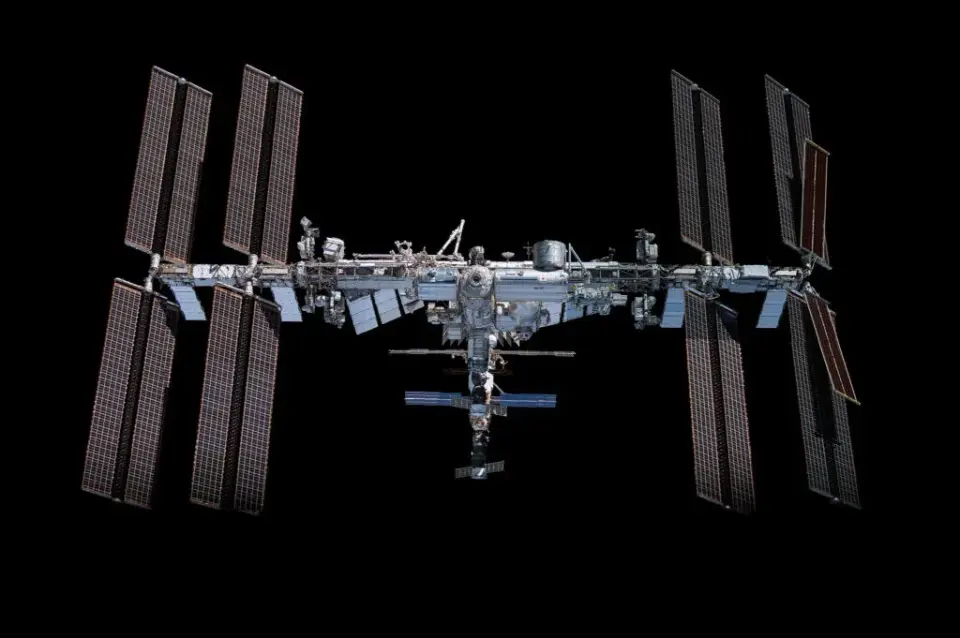
As of September 2026, only the International Space Station (ISS) and China’s Tiangong maintain continuous human presence in orbit. If the ISS retires around 2030 before commercial replacements are operational, Tiangong could become the only permanently inhabited station. NASA is pursuing a transition to commercial partners, but timelines for sustained crewed operations remain uncertain.
Key points
- The ISS and Tiangong are the only two space stations with uninterrupted crewed occupation as of September 2026.
- Tiangong has maintained continuous presence since June 2022, using overlapping crew rotations to ensure no gaps in habitation.
- NASA plans to retire the ISS by 2030, but a Senate proposal in March 2026 suggested extending operations to September 2032.
- Commercial successors like Axiom and Vast are in development, but none have yet established a record of continuous crewed occupation.
- A gap in continuous habitation could occur if the ISS retires before commercial stations achieve routine crewed rotations.
Background
Our archive from August 2026 noted NASA’s Johnson Space Center is adapting training programs for a private-station era, anticipating the ISS’s 2030 retirement. Earlier coverage in July 2026 highlighted the return of Expedition 74, underscoring the ongoing operational rhythm of the ISS. The current situation reflects a transition phase where government and commercial roles are shifting, but continuity of human presence remains a key concern.
Why it matters
The potential gap in continuous crewed presence in orbit could affect scientific research, international cooperation, and the long-term viability of human spaceflight. If Tiangong becomes the only permanently inhabited station, it may influence global space policy and the pace of commercial station development. Ensuring a smooth transition is critical to maintaining uninterrupted access to low Earth orbit for research and exploration.
What to watch
Key milestones include the completion of commercial station hardware, certification decisions, and the first crewed operations by private operators. NASA’s draft request for proposals, released in July 2026, aims to select contractors for early development. The outcome of these efforts will determine whether a continuous handover from the ISS to commercial stations can be achieved before 2030.
Want the full story? Read the original reporting
Read on Space Daily