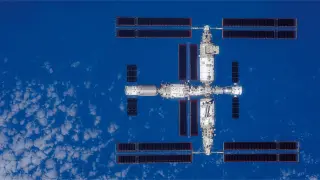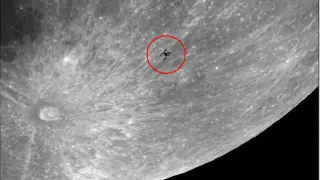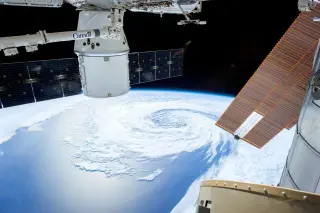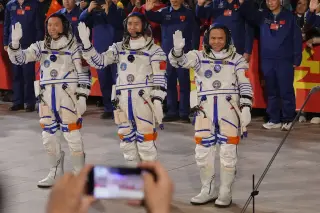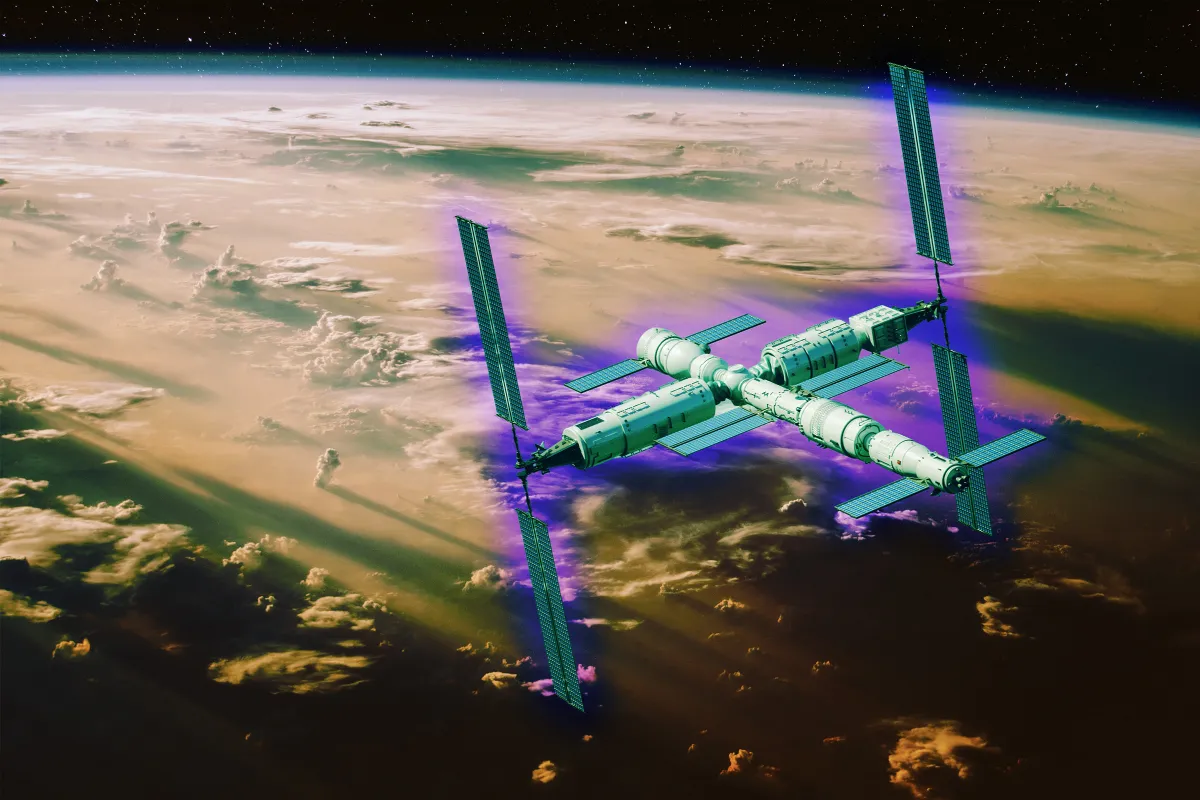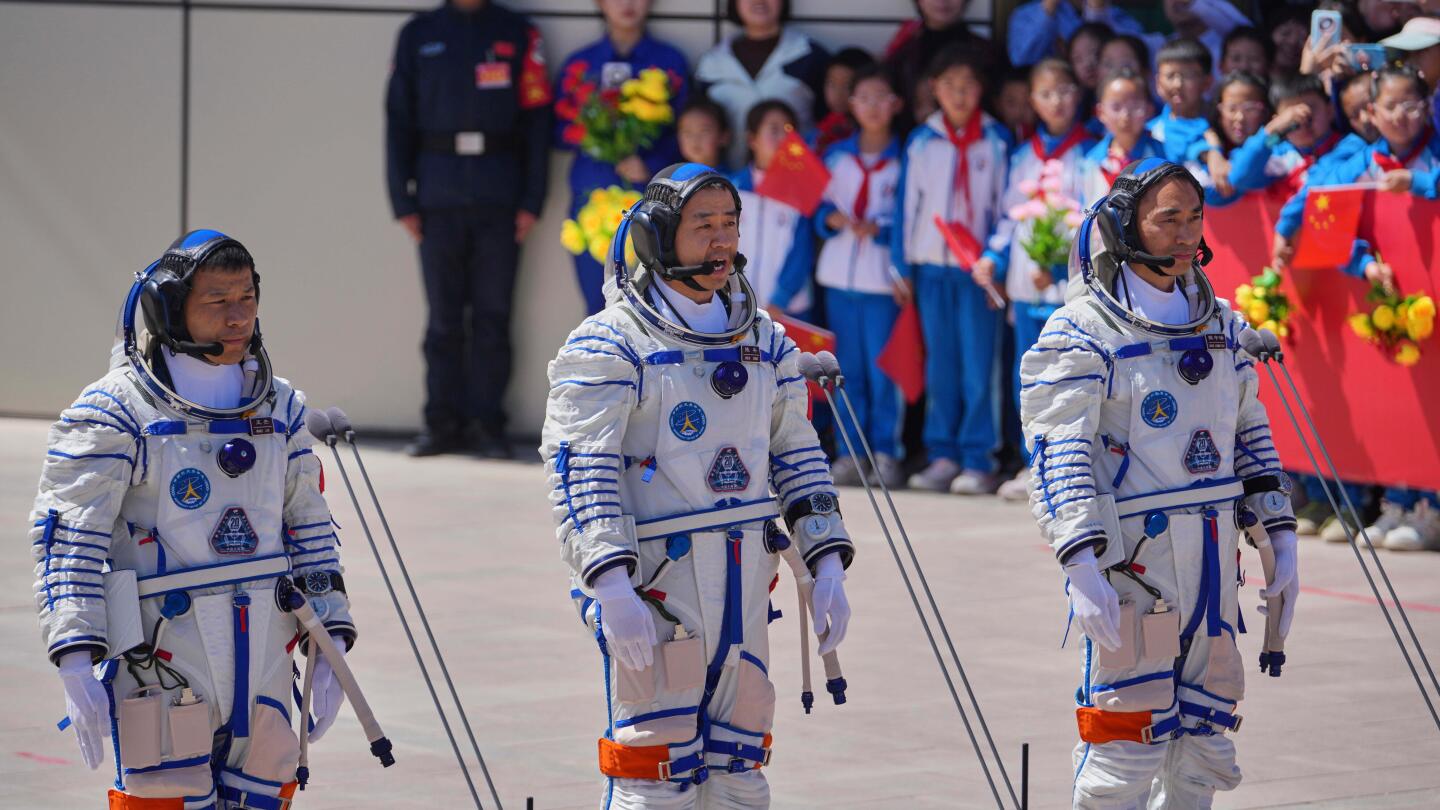
Three Chinese astronauts landed back on Earth after a nearly seven-month stay aboard the Tiangong space station, marking the longest crewed mission for China and a milestone in its ongoing space program.
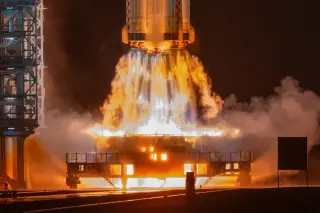
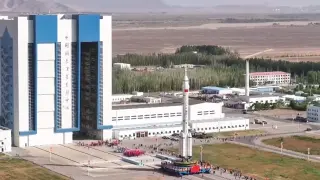
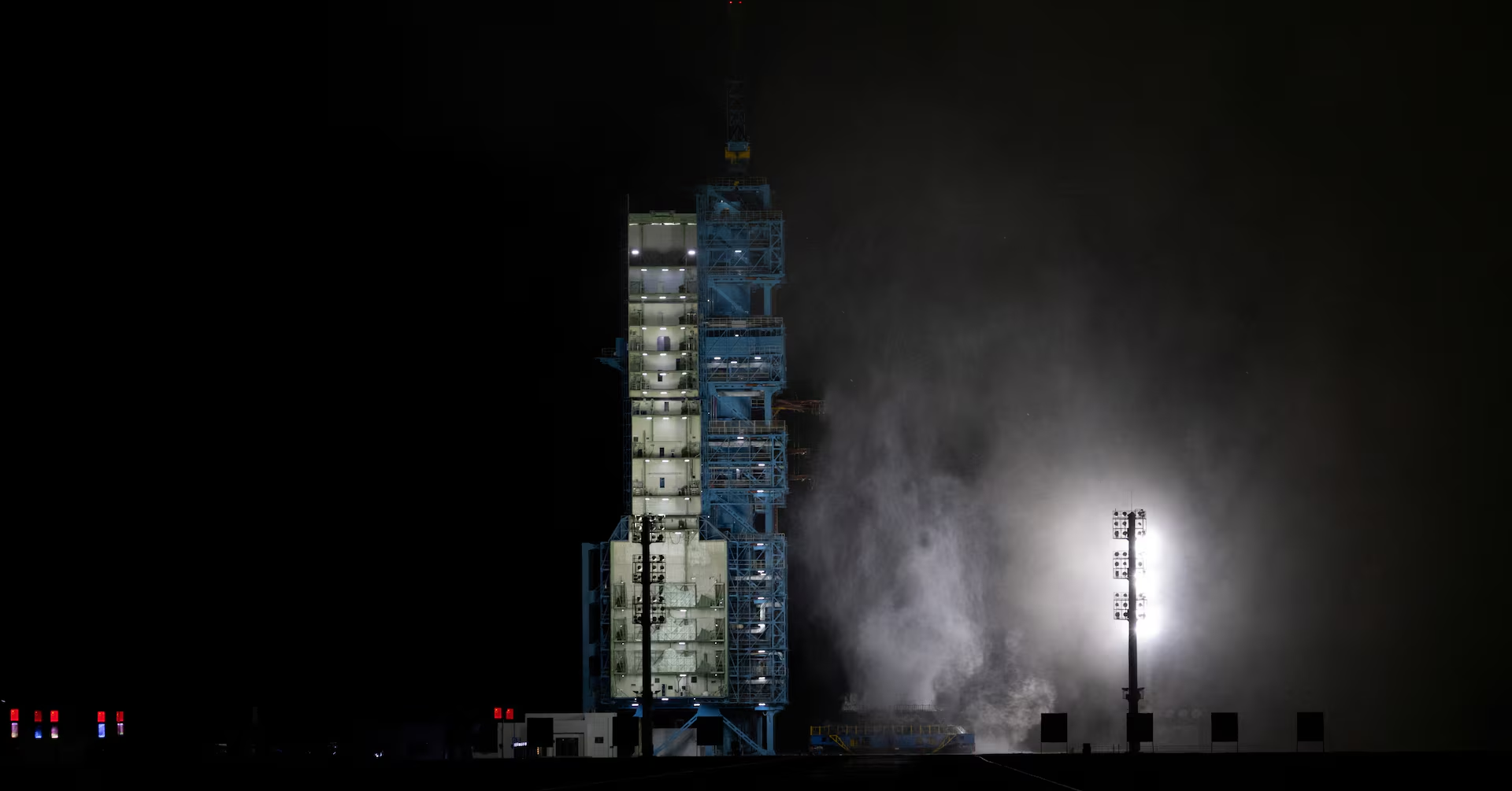
China launched the Shenzhou-23 crewed spacecraft from the Jiuquan Satellite Launch Center on May 24, 2026, sending a three-astronaut crew to the Tiangong space station for a planned yearlong stay as part of ongoing Chinese spaceflight and station operations.
China is preparing to launch Shenzhou 23 to the Tiangong space station on May 24 with crew Zhu Yangzhu, Zhang Zhiyuan and Lai Ka-ying for a six‑month stay; Lai will be Hong Kong's first orbiting astronaut, and one crew member is expected to embark on a year‑long orbit later as part of the Shenzhou 24 plan involving a Pakistani visitor (the specific astronaut to take the year‑long seat has not yet been named). The mission follows Shenzhou 21’s end and Shenzhou 22’s lifeboat role, and Tianzhou 10 arrived May 11 with nearly seven tons of supplies.
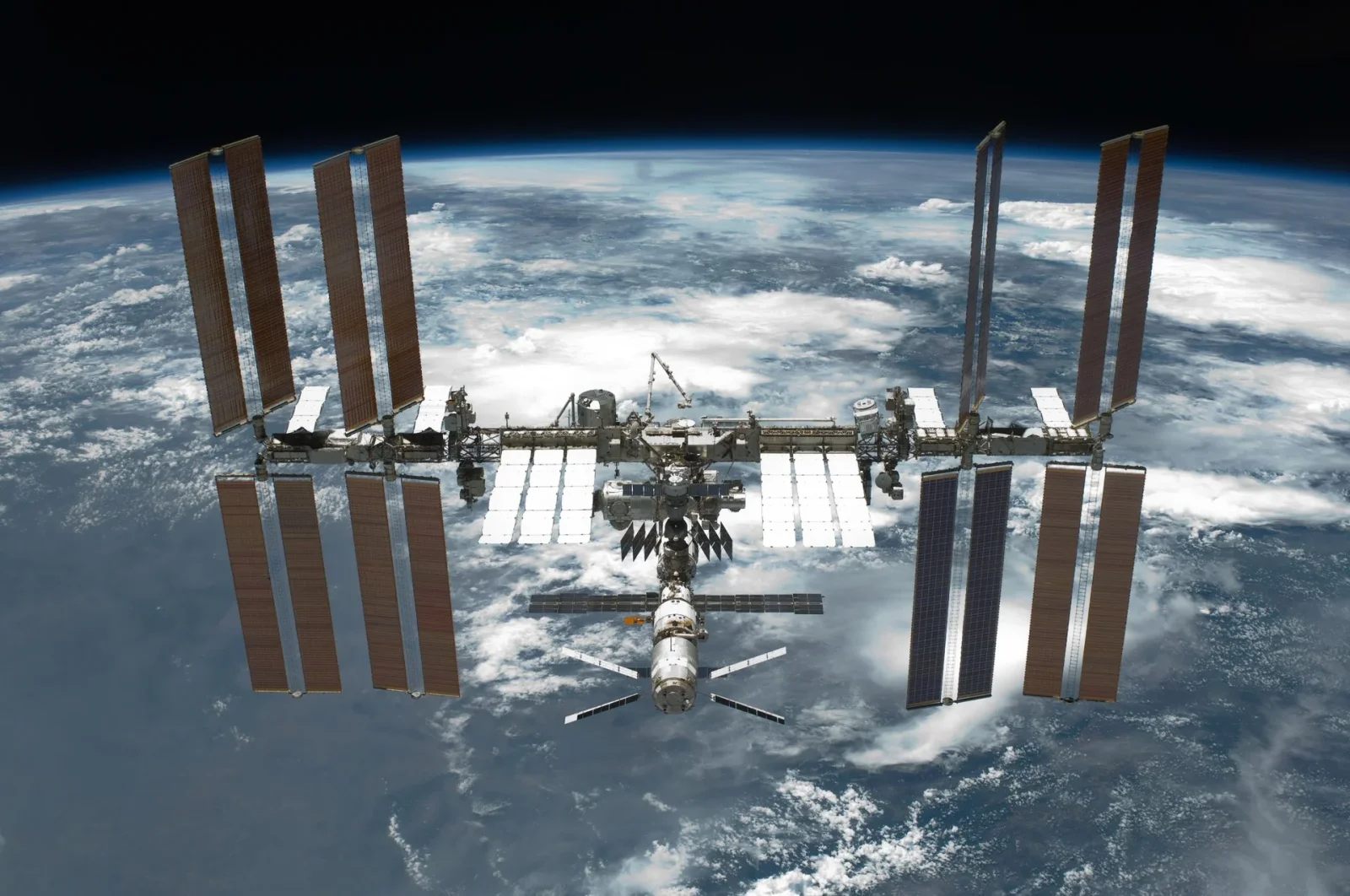
As the International Space Station nears retirement around 2030, global space agencies and commercial players are pursuing a crowded array of successors: NASA/ESA/CSA/JAXA’s Lunar Gateway around the Moon, China’s planned Tiangong expansion, Russia’s shift to reusing ISS modules as the Russian Orbital Station, and India’s Bharatiya Antariksh Station, with timelines extending to 2035 and beyond. The ISS’s aging hardware and health concerns spur these plans, while a growing slate of science, exploration, and commercial missions edge orbital activity closer to the Moon and beyond. A Part II on commercial concepts is promised.
China's Tiangong space station has installed new debris protection panels after a close call with space debris stranded astronauts for nine days. The astronauts performed an eight-hour spacewalk to install the panels and inspect the station, following an emergency rescue mission that delivered a new return vehicle. This incident highlights the growing threat of space debris, which poses risks to manned missions and satellites worldwide, prompting advancements in protective materials and measures.
The three Chinese astronauts on the Shenzhou-20 mission are in good condition after their return was delayed due to space debris hitting their spacecraft; they are currently conducting tests and drills while their return date remains unspecified.
Chinese astronauts aboard the Tiangong station are stranded after a collision with space debris damaged their spacecraft, postponing their return mission while assessments are made; the incident underscores the growing dangers of space debris in orbit.
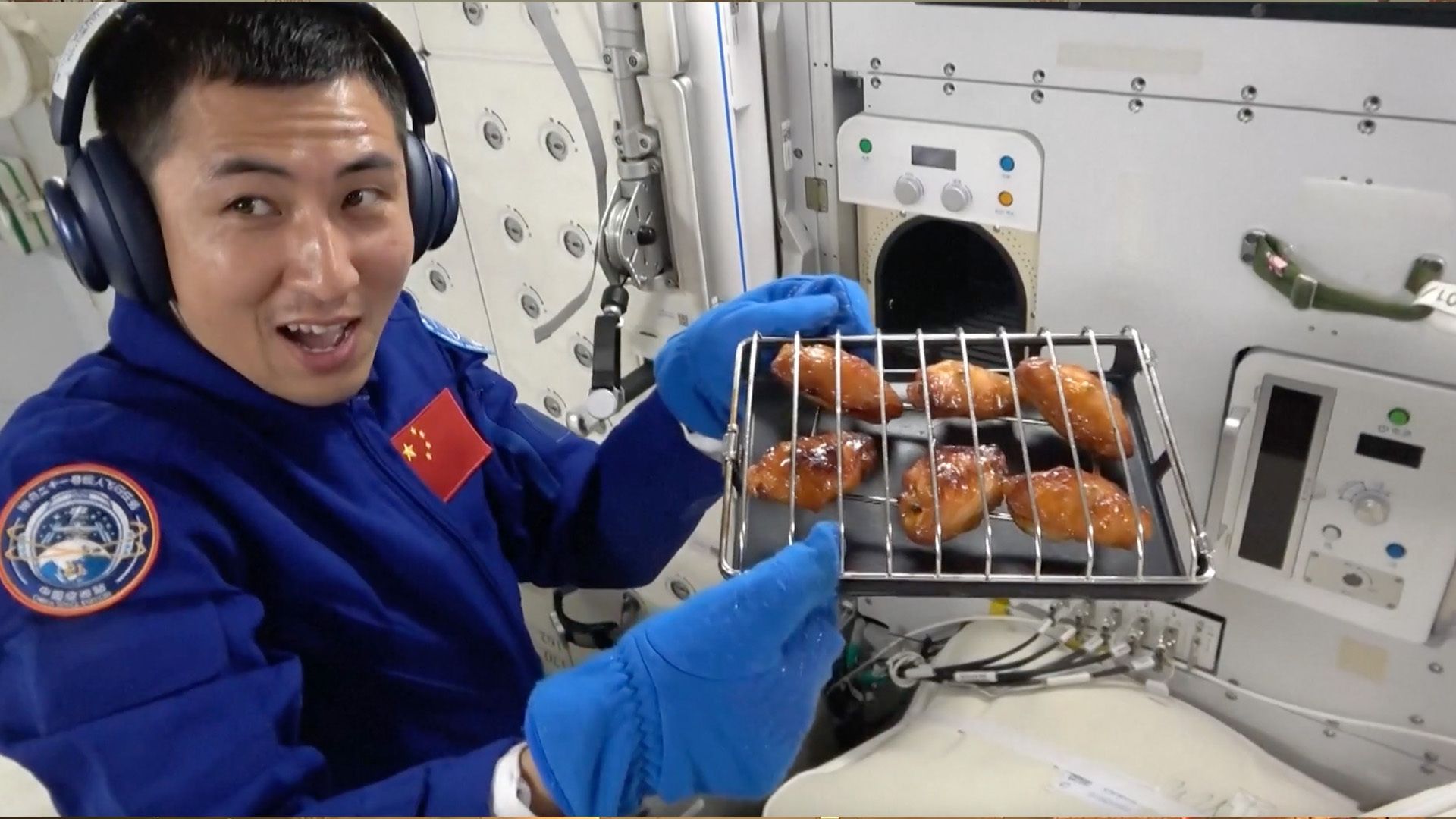
Chinese astronauts aboard the Tiangong space station have successfully used a new oven to cook chicken wings, marking China's first space BBQ and demonstrating advanced microgravity cooking technology that provides comfort and psychological well-being for crew members.
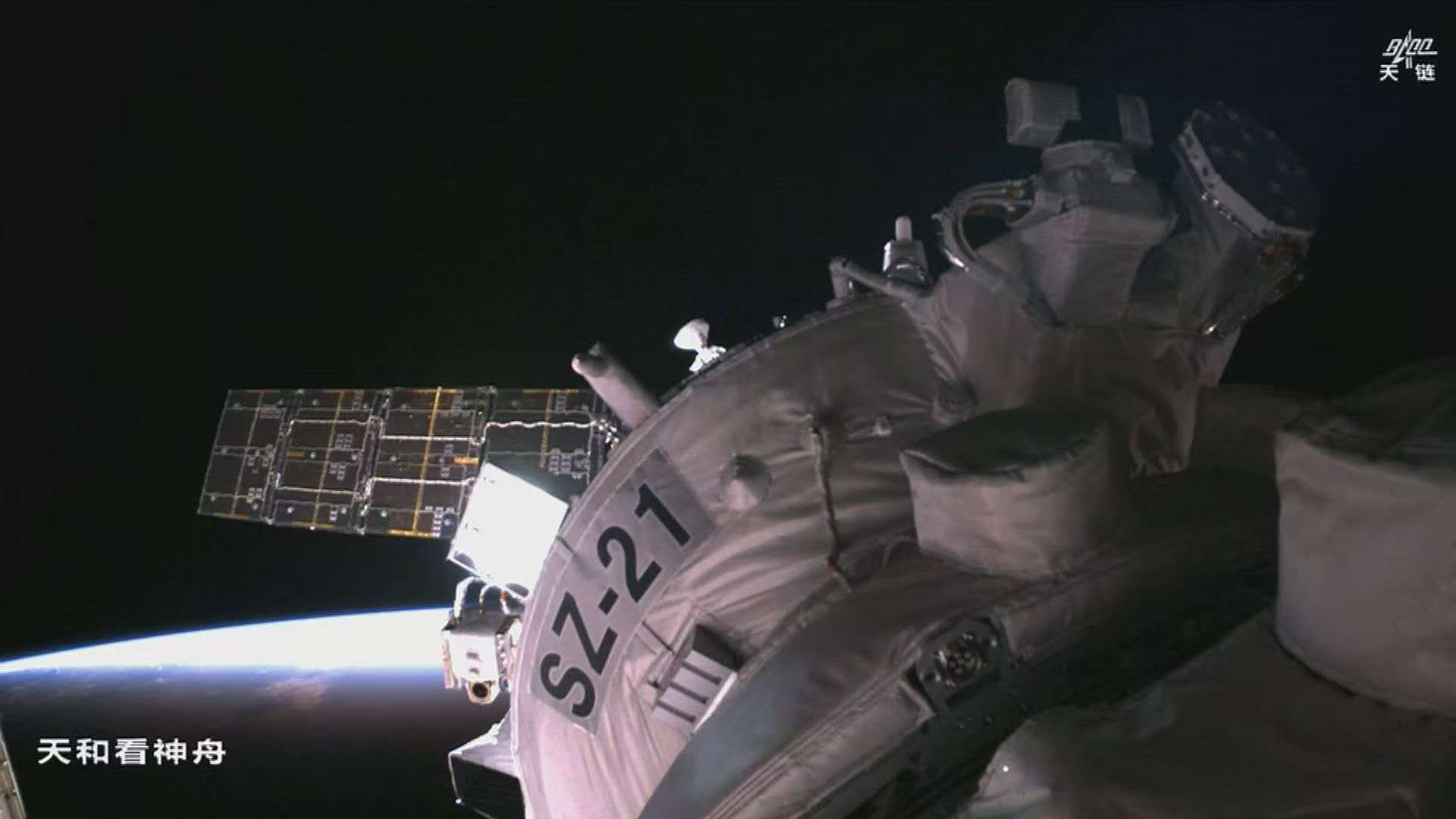
China's Shenzhou-21 spacecraft successfully docked with the Tiangong space station just 3.5 hours after launch, marking the seventh crewed mission to the station, which will conduct scientific experiments and prepare for future expansion and lunar missions.
China launched its seventh crewed mission to the Tiangong space station with the Shenzhou-21 spacecraft, featuring the youngest Chinese astronaut, Wu Fei, and including experiments with small mammals, as part of its ongoing space station development and international competition in space exploration.
China launched the Shenzhou-21 spacecraft with a three-person crew and four mice to the Tiangong space station, aiming to conduct 27 scientific experiments, including studying the effects of microgravity on mice, marking China's ongoing efforts to expand its space program and international collaborations.
China launched the Shenzhou 21 crewed spacecraft to its Tiangong space station, carrying three astronauts including the youngest Chinese astronaut Wu Fei, who will make history as the youngest Chinese in space. The mission will last about six months, during which the crew will conduct scientific experiments, spacewalks, and public outreach activities. The launch was broadcast live and marks China's ongoing efforts to expand its presence in low Earth orbit.
Chinese astronauts installed additional debris shielding on the Tiangong space station during a six-hour spacewalk, enhancing its protection against space debris, as part of ongoing maintenance and safety upgrades during the Shenzhou 20 mission.
China has introduced Wukong AI, an expert chatbot on its Tiangong space station, to enhance safety, navigation, and coordination, successfully supporting astronauts during a spacewalk.
Chinese astronauts aboard the Tiangong space station conducted a 6.5-hour spacewalk to enhance debris shielding and perform maintenance, marking their third extravehicular activity during a six-month mission focused on station upkeep and scientific experiments.