
ULA delays Vulcan Centaur return-to-flight to Nov. 15 after two scrub attempts
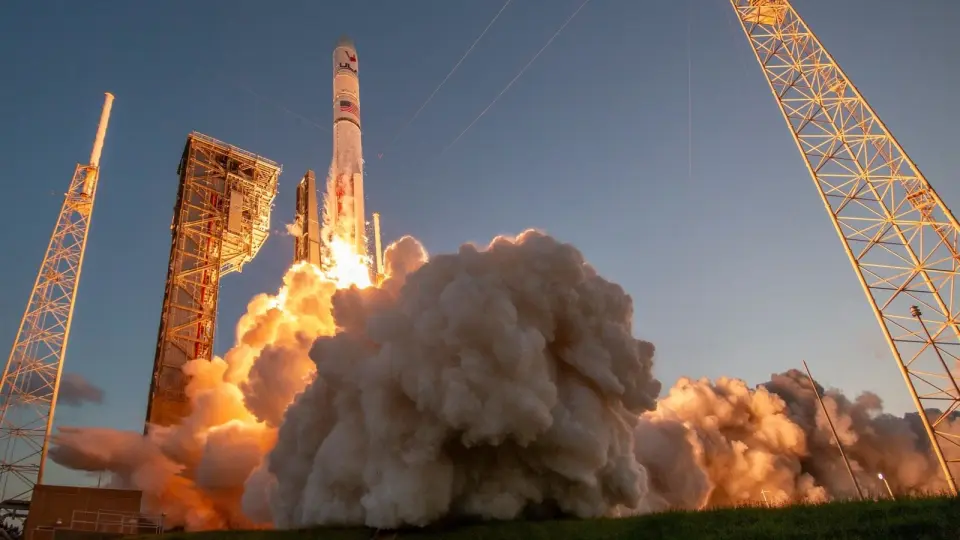
United Launch Alliance (ULA) has rescheduled its Vulcan Centaur rocket launch for November 15, 2026, after two consecutive scrub attempts. The mission, designated Amazon Leo LV-01, will deploy 40 broadband satellites to low Earth orbit from Cape Canaveral. This marks the rocket's first flight in nine months, following a grounding imposed by the U.S. Space Force after solid rocket booster nozzle failures on previous missions. ULA states the rocket and payloads remain healthy, utilizing a redesigned nozzle and a new launch platform dedicated to Amazon missions.
Key points
- The launch was originally scheduled for November 13 but delayed twice: first due to a power issue at the Air Liquide gaseous nitrogen plant, and second due to a communication problem between ground equipment and the rocket.
- The Vulcan Centaur will carry 40 Amazon Leo satellites, the largest single batch Amazon has launched, contributing to a constellation planned to reach 3,232 satellites by July 2029.
- This mission features the first flight of a redesigned solid rocket booster nozzle, aimed at mitigating anomalies that caused nozzles to burn through and fall off during previous launches.
- The rocket will use a configuration called VC6L, featuring six solid rocket boosters and a shorter Centaur 5 upper stage tailored for low Earth orbit, carrying a payload of over 50,000 pounds.
- The U.S. Space Force has paused national security launches on Vulcan until ULA addresses the booster issues, though the current mission serves a commercial customer, Amazon.
Background
Vulcan Centaur debuted in January 2024 and has flown four times. Two missions, in October 2024 and February 2026, experienced solid rocket booster nozzle failures. The February incident, a national security mission, led the U.S. Space Force to pause Vulcan flights for such missions. ULA has since conducted investigations, including full-scale test firings, and identified potential contributors to the anomalies, implementing design and process improvements. The current launch is part of Amazon's long-term strategy to use Vulcan as a primary workhorse for its Leo constellation.
How outlets are covering it
Space.com and Florida Today emphasize the technical delays, citing power and communication issues, while noting the rocket's health. Spaceflight Now provides detailed technical context, highlighting the use of a redesigned nozzle and a new launch platform, as well as the connection to Blue Origin's BE-4 engines, which suffered a failure in May. USA Today focuses on the broader context of concurrent launches, including SpaceX's Starship test, and notes the superstition of Friday the 13th. All sources agree on the rescheduling to November 15 and the mission's significance for Amazon's broadband network.
Why it matters
The successful launch of Vulcan Centaur is critical for ULA to regain confidence with the U.S. Space Force and resume national security missions. It also marks a significant step for Amazon's Leo constellation, which aims to compete with SpaceX's Starlink. The mission tests redesigned components and new infrastructure, providing valuable data for future flights and potentially influencing the timeline for national security launches.
What to watch
The launch is scheduled for November 15, 2026, at 12:11 p.m. ET. If successful, the 40 satellites will be deployed over a 25-minute span, roughly 270 miles above Earth. ULA plans to continue testing and analysis in parallel with the mission, and the U.S. Space Force will review the flight data before deciding on the resumption of national security launches. Amazon has indicated that a second Vulcan mission could follow within weeks.
- Powerful Vulcan Centaur rocket launching for 1st time in 9 months today: Watch it live Space
- ULA scrubs Amazon satellite launch try again; Vulcan rescheduled for Sunday Florida Today
- ULA delays to Saturday Vulcan rocket launch of 40 Leo satellites for Amazon Spaceflight Now
- SpaceX, ULA plan rare double rocket launch on Friday the 13th USA Today
- How Amazon is building an internet network 400 miles above Earth About Amazon
Want the full story? Read the original reporting
Read on Space