
ULA schedules Vulcan return to flight for November 13 with Amazon Leo mission
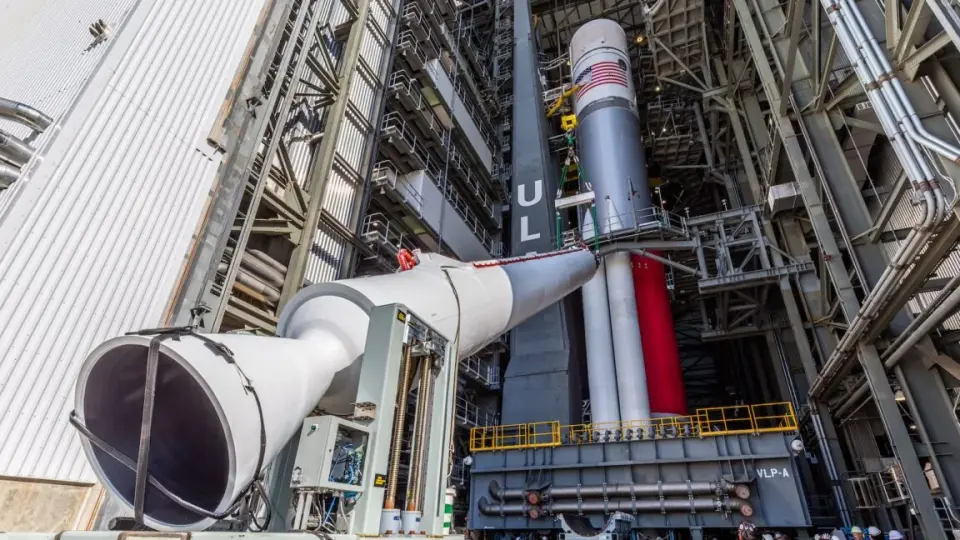
United Launch Alliance (ULA) plans to relaunch its Vulcan rocket on November 13, 2026, after a nine-month grounding caused by solid rocket booster nozzle failures. The return-to-flight mission, designated LV-01, will deploy 40 satellites for Amazon’s Leo broadband constellation from Cape Canaveral. This launch marks the first use of Vulcan’s full complement of six solid rocket boosters and an extended payload fairing. ULA states that engineers have implemented design and process improvements to mitigate the previous anomalies, though the root cause remains unpublicized. The U.S. Space Force will closely monitor the flight data before clearing the rocket for national security missions, which are currently delayed in favor of SpaceX launches.
Key points
- ULA announced a return-to-flight date of November 13, 2026, for the Vulcan rocket, pending range approval.
- The mission will carry 40 Amazon Leo satellites, the first of 38 booked flights for the constellation.
- This launch will feature the first full complement of six solid rocket boosters and an extended fairing, increasing the rocket’s height to 221 feet.
- ULA claims to have mitigated potential contributors to the nozzle anomaly through design changes, but has not disclosed the specific root cause.
- The U.S. Space Force requires flight data from commercial missions before resuming national security launches on Vulcan.
- Six military missions were swapped to SpaceX Falcon 9 and Falcon Heavy rockets during the Vulcan grounding to maintain schedule commitments.
Background
Vulcan was grounded in February 2026 after a solid rocket booster nozzle failure during the USSF-87 mission, following a similar incident in 2024. ULA’s flagship rocket had previously faced scrutiny over its reliance on Blue Origin BE-4 engines, which were linked to a separate New Glenn explosion in May 2026. The company’s financial stability and competitive position have been under strain due to delays and the dominance of SpaceX’s reusable launchers.
How outlets are covering it
Ars Technica and Spaceflight Now emphasize the technical mitigations and the strategic importance of the Amazon Leo mission for validating the improved nozzle design. Spaceflight Now notes that a second Vulcan vehicle is already assembled for the next Amazon mission. Florida Today highlights the broader context of Blue Origin engine issues, linking Vulcan’s first-stage engines to the New Glenn explosion, though it clarifies that the current grounding is due to solid booster issues. All sources agree that the Space Force is withholding national security missions until commercial flight data confirms the reliability of the upgraded hardware.
Why it matters
The successful return of Vulcan is critical for ULA’s viability and for the U.S. Space Force’s dual-launch provider strategy. A failure could further erode confidence in ULA and accelerate the shift toward SpaceX, while success would validate the mitigations and allow ULA to resume its share of national security and commercial contracts. The launch also marks a significant milestone for Amazon’s Leo constellation, which aims to compete with Starlink.
What to watch
The launch is scheduled for November 13, 2026, pending final approval from the Eastern Range. Following this, ULA plans at least two more Amazon Leo missions before potentially resuming national security flights. The Space Force will analyze the flight data to determine if Vulcan is cleared for military payloads, potentially in early 2027.
- ULA’s Vulcan rocket is set to return to flight on Friday the 13th Ars Technica
- Vulcan to return to flight in mid-November with first Amazon Leo mission SpaceNews
- Untied Launch Alliance announces mid-November return to flight for Vulcan rocket Spaceflight Now
- ULA's Vulcan rocket to launch Amazon satellites from Florida after months-long delay Florida Today
- Amazon Says ULA to launch 40 Amazon LEO satellites on Nov 13, 2026 TradingView
Want the full story? Read the original reporting
Read on Ars Technica