
ULA Vulcan Centaur returns to flight after two scrubs, targeting Nov. 15 launch for Amazon Leo satellites
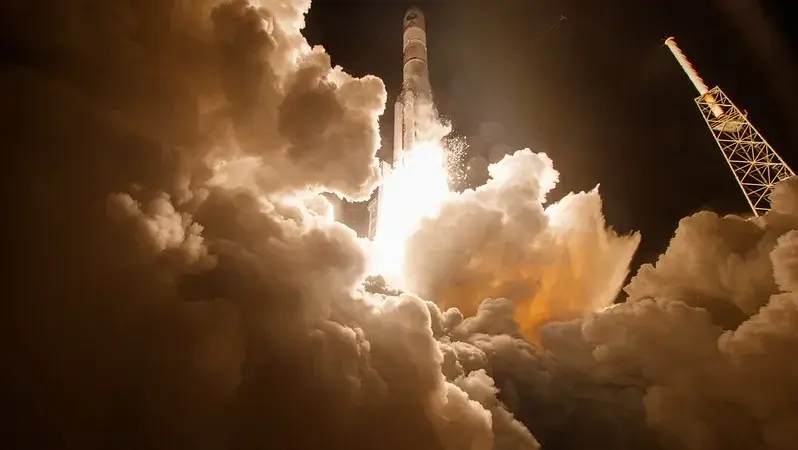
United Launch Alliance has rescheduled the return-to-flight of its Vulcan Centaur rocket to Sunday, Nov. 15, after two consecutive scrub attempts. The mission, designated Amazon Leo LV-01, will deploy 40 broadband satellites to low Earth orbit from Cape Canaveral. This launch marks the rocket's first flight in nine months, following a grounding imposed by the U.S. Space Force after solid rocket booster nozzle failures on previous missions. ULA states the rocket and payloads remain healthy, utilizing a redesigned nozzle and a new launch platform dedicated to Amazon missions.
Key points
- The launch was originally scheduled for Nov. 13 but scrubbed due to a power interruption at the Air Liquide gaseous nitrogen plant.
- A second scrub occurred due to a communication problem between ground equipment and the rocket, pushing the launch to Nov. 15.
- The Vulcan Centaur will carry 40 Amazon Leo satellites, the largest batch Amazon has launched at once, to compete with SpaceX's Starlink.
- This is the first flight using the maximum six solid rocket boosters and a redesigned nozzle to address previous anomalies.
- The U.S. Space Force is monitoring the flight data before clearing the rocket for national security missions.
Background
The Vulcan Centaur rocket had been grounded for nine months after an anomaly was observed during a Feb. 12 national security mission. The U.S. Space Force paused national security launches on Vulcan after solid rocket booster nozzle failures on two of its first four missions. ULA has been working to address the issue, implementing design and process improvements to the nozzle. The company is confident that Vulcan is ready to return to flight, and the upcoming launch will utilize the improved nozzle design.
How outlets are covering it
USA Today emphasizes the significance of the launch for both ULA and Amazon, highlighting the rocket's role as a future workhorse and Amazon's reliance on it for its satellite service. Florida Today focuses on the technical details of the scrub, citing a power interruption at the Air Liquide gaseous nitrogen plant. Space.com provides a broader context, noting the launch's place in a busy 12-hour stretch of space activity and the competitive landscape with SpaceX's Starlink. Spaceflight Now offers a detailed account of the launch's technical aspects, including the use of a redesigned nozzle and a new launch platform dedicated to Amazon missions.
Why it matters
The successful launch of the Vulcan Centaur is crucial for ULA's future as a launch provider and for Amazon's expansion of its broadband internet network. The mission will also provide valuable data for the U.S. Space Force to decide whether to clear the rocket for national security missions. Additionally, the launch highlights the competitive landscape in the space industry, with Amazon's Leo constellation aiming to compete with SpaceX's Starlink.
What to watch
ULA will monitor the launch closely and provide live coverage. The company will also continue to work with the U.S. Space Force to address any remaining concerns and ensure the rocket's safety for future missions. Amazon is expected to follow up with additional Vulcan launches in the coming weeks, with the company aiming to launch Vulcan twice a month in the future.
- Powerful Vulcan rocket with 6 boosters set to light up East Coast USA Today
- Scrub! ULA's Amazon Leo satellite launch postponed at Cape Canaveral Florida Today
- Powerful Vulcan Centaur rocket launching for 1st time in 9 months on Nov. 15: Watch it live Space
- ULA delays to Saturday Vulcan rocket launch of 40 Leo satellites for Amazon Spaceflight Now
- SpaceX, ULA plan rare double rocket launch on Friday the 13th USA Today
Want the full story? Read the original reporting
Read on USA Today