
Vega-C launches dual European Earth-observing satellites to monitor climate and plant health
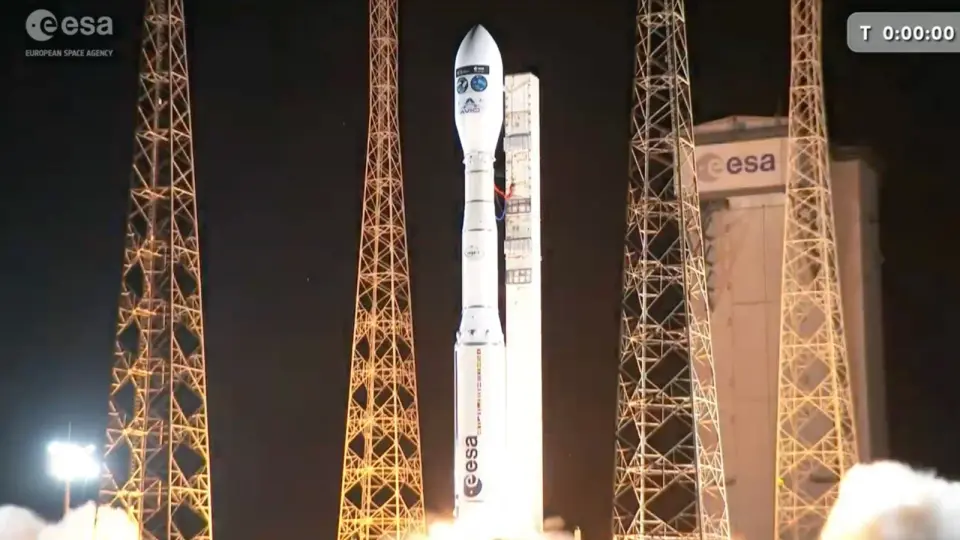
A Vega-C rocket launched two European Earth-observing satellites, FLEX and Sentinel-3C, from French Guiana on September 14, 2026. The mission, designated VV30, successfully deployed both spacecraft into orbit, marking the second Vega-C launch of 2026. FLEX will measure plant photosynthesis, while Sentinel-3C will monitor oceans and atmosphere, supporting long-term climate data collection.
Key points
- Liftoff occurred at 9:21 p.m. EDT on September 14, 2026, from Europe's Spaceport in Kourou, French Guiana.
- The Vega-C rocket, standing 34.8 meters tall, is the eighth flight of its kind and the second in 2026.
- Sentinel-3C, weighing 1,143 kg, was deployed first, followed by FLEX, which weighs 397 kg, about an hour later.
- FLEX is the first satellite designed to measure plant photosynthetic activity via fluorescence, aiding carbon cycle studies.
- Sentinel-3C will replace Sentinel-3A to ensure continuous ocean and atmospheric monitoring through the 2030s.
Background
This launch follows recent European space activities, including the Ariane 6 launch of the MTG-I2 weather satellite in August 2026. It also aligns with broader efforts to expand Earth observation capabilities, as noted in earlier coverage of space debris re-entries and the growing importance of climate monitoring satellites.
How outlets are covering it
Space.com emphasized the successful deployment and the significance of FLEX for agricultural and carbon cycle studies. Spaceflight Now highlighted the dual role of the satellites in monitoring both plant health and oceanic/atmospheric changes, noting Avio's role as the launch service operator. ESA focused on the technical achievement of launching two satellites together and the long-term scientific value of the data. Eumetsat stressed the continuity of ocean monitoring and the importance of Sentinel-3C for climate impact assessment.
Why it matters
The successful launch of FLEX and Sentinel-3C enhances Europe's ability to monitor climate change, plant health, and ocean conditions. This data is crucial for understanding the carbon cycle, managing food security, and addressing rising sea levels, which affect millions of Europeans. The mission also demonstrates the reliability of the Vega-C rocket and Avio's capabilities as a launch provider.
What to watch
Mission controllers will now conduct the launch and early orbit phase to verify the health and performance of both satellites. FLEX will initially orbit in tandem with Sentinel-3A before Sentinel-3C takes over. Eumetsat will assume responsibility for operating Sentinel-3C, while ESA will continue to manage FLEX. Further Copernicus expansion missions are planned for launch from 2027 onward.
- Vega C rocket launches 2 European Earth-observing satellites to orbit from South America Space
- Avio launches pair of climate monitoring European spacecraft to study plants, oceans and atmospheric changes spaceflightnow.com
- FLEX and Sentinel-3C launched European Space Agency
- Watch the launch of Copernicus Sentinel-3c Eumetsat
- Europe launches two climate observation satellites dw.com
Want the full story? Read the original reporting
Read on Space