
Voyager 1’s Long Drive: Gravity-Driven, Not Engine-Powered
TL;DR Summary
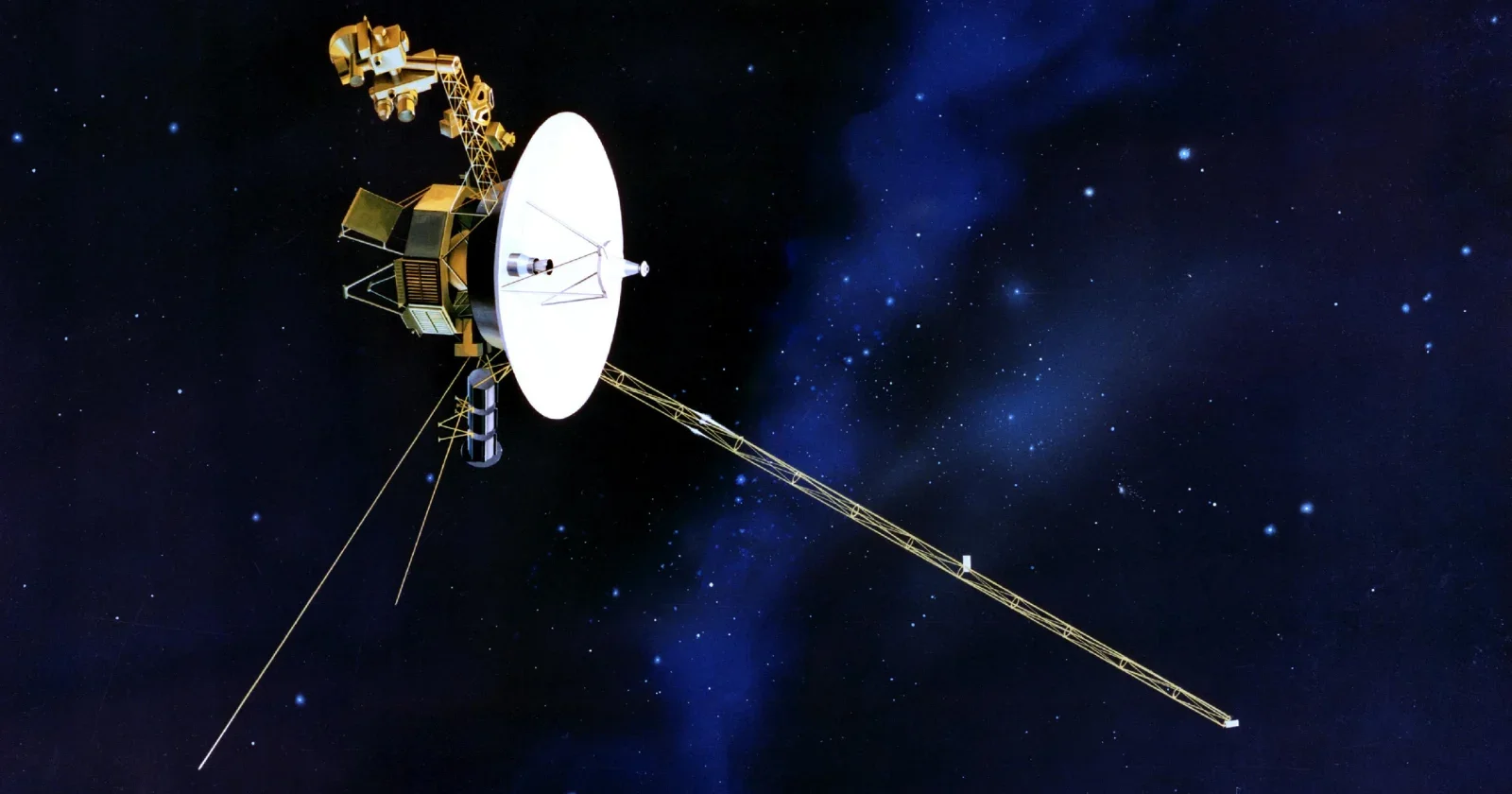
Voyager 1 continues coasting through space at about 38,000 mph thanks to gravity assists from Jupiter and Saturn decades ago; it has no main engine, only small thrusters for orientation. By November 18, 2026, it will be roughly 16.09 billion miles from Earth—one light-day—so any reply must traverse a full day of light. Only two instruments remain powered as power declines, while the mission endures as a long-running demonstration of planetary gravity assist and endurance.
- Voyager 1 has no engine running. The 38,000-mile-per-hour speed it has held since its Saturn flyby in 1980 is borrowed momentum from planets it grazed more than four decades ago, and that free ride carries it to one light-day from Earth this November Space Daily
- NASA has calculated, to the precise second, when Voyager 1 will be exactly one light-day from Earth: 2:16 a.m. on 18 November 2026, at a distance of 16,094,799,096 miles — a number that would have been science fiction when the probe launched in 1977 Space Daily
- Voyager 1 Has Traveled Through Space at 38,000 Mph Since 1977 And Still Hasn't Reached 1 Light-Day ScienceAlert
- NASA's Voyager 1 Only Has Two Active Science Instruments Left After Latest System Shutdown Hypebeast
- Voyager 1 launched in 1977 with onboard computers holding less memory than a single photo on a modern phone — and that 1970s machine is still running, sending data back to Earth from interstellar space ScienceBlog.com
Reading Insights
Total Reads
1
Unique Readers
67
Time Saved
12 min
vs 13 min read
Condensed
97%
2,472 → 75 words
Want the full story? Read the original article
Read on Space Daily