
Record-Breaking El Niño Set to Redefine US Winter Weather Patterns
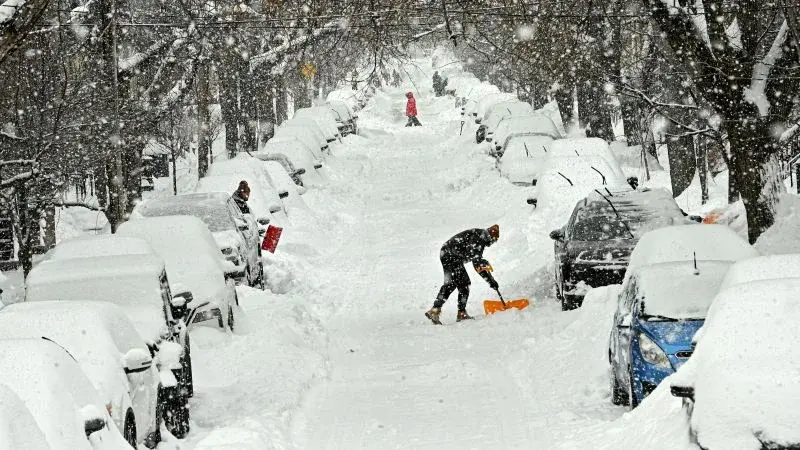
A rapidly strengthening Super El Niño is expected to peak in winter 2026-2027, potentially becoming the strongest on record. This event will likely shift the jet stream south, bringing warmer and drier conditions to the northern US, while the southern and southeastern regions face wetter, cooler weather with increased risks of severe thunderstorms and freezing rain.
Key points
- The current El Niño is forecast to reach 'Super' status by October 2026, with a nearly 70% probability of becoming the strongest on record by year-end.
- NOAA's Climate Prediction Center forecasts above-average temperatures for the northern tier of the US, including the Pacific Northwest and Midwest, during December 2026 through February 2027.
- Wetter-than-normal conditions are predicted for the southern tier, the Southeast, and parts of the East Coast, with the highest confidence in precipitation concentrated in the Southeast.
- Florida faces a higher risk of severe winter thunderstorms, while other parts of the Gulf Coast may experience less active severe weather than usual.
- The northern US is expected to be warmer and drier, which reduces the likelihood of significant snowfall, while the Southeast may see snow, sleet, or freezing rain depending on temperature drops.
Background
Recent forecasts have highlighted regional variations, with California expecting heavier snows in the Central Sierra and New England anticipating a warmer, wetter winter. The current event is part of a broader trend where annual snow amounts have dropped in nearly two-thirds of the US since 1970 due to climate change, which complicates traditional El Niño predictions.
Why it matters
The strength of this El Niño will significantly influence global weather patterns, affecting agriculture, energy demand, and infrastructure resilience. A record-breaking event increases the odds of extreme weather patterns, though it does not guarantee historically intense impacts. Understanding these shifts is crucial for preparedness against potential flooding, severe storms, and temperature anomalies.
What to watch
Meteorologists will continue to monitor the El Niño's intensity as it peaks in winter. NOAA's Climate Prediction Center will update its December through February forecasts, while researchers will assess the interplay between El Niño and long-term climate change trends to refine regional weather predictions.
Want the full story? Read the original reporting
Read on CNN