
Leonid meteor shower peaks Nov 16-17 with modest rates under dark skies
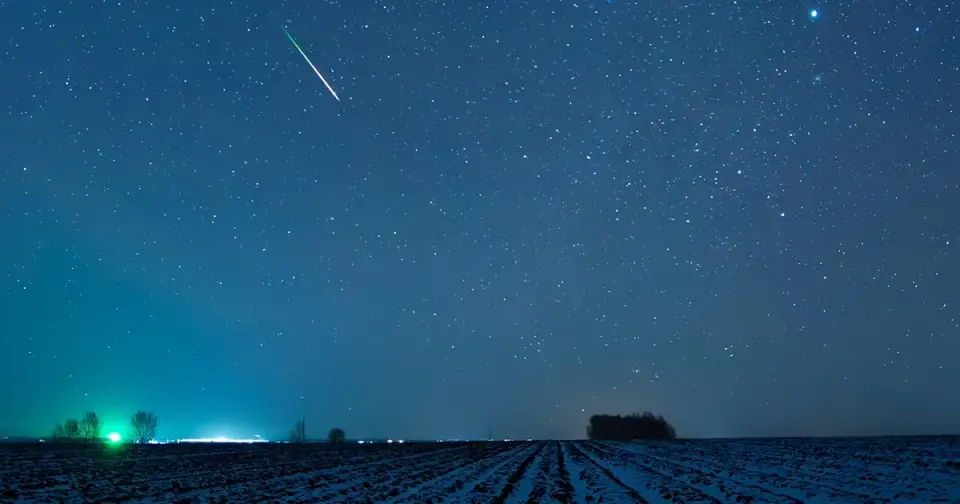
The 2026 Leonid meteor shower peaks between November 16 and 17, offering a modest display of up to 15 meteors per hour under ideal conditions. While the shower is active from November 6 to 30, this year’s rates are significantly lower than historical storms due to the parent comet’s distance from the sun. Observers are advised to seek dark locations away from light pollution, as the waxing crescent moon will set early, improving visibility in the pre-dawn hours.
Key points
- Peak activity occurs between November 16 and 17, with the best viewing times around 2-3 a.m. local time when the constellation Leo is highest in the sky.
- Expected meteor rates are low, ranging from 3 to 15 per hour, due to the parent comet 55P/Tempel-Tuttle being far from the sun.
- The waxing crescent moon, 39-41% illuminated, will set early, providing darker skies for better visibility.
- No special equipment is needed; observers should lie flat, face east, and allow eyes to adapt to darkness for 30 minutes.
- The next potential Leonid meteor storm is not expected until 2033, with a major storm possibly occurring in 2099.
Background
The Leonid meteor shower occurs annually in mid-November as Earth passes through debris left by Comet 55P/Tempel-Tuttle. Historically, the shower has produced spectacular meteor storms every 33 years, with the last major storm occurring in 2002. The 1833 Leonid storm, which produced tens of thousands of meteors per hour, helped establish the scientific study of meteors. Recent archive coverage from November 16, 2026, noted the modest rates and dark sky conditions for this year's peak.
How outlets are covering it
FOX 2 Detroit and The New York Times emphasize the low meteor rates, with FOX 2 citing as few as three meteors per hour and The New York Times noting fewer than three per hour. CNN highlights the potential for up to 15 meteors per hour under ideal conditions, citing NASA’s Bill Cooke. All sources agree on the importance of dark skies and the early moonset, but CNN provides more detail on the historical significance of the Leonids and the next potential storm in 2033.
Why it matters
The Leonid meteor shower offers a rare opportunity to observe cosmic debris from a comet that originated in the outer solar system. Despite low rates this year, the event underscores the importance of dark sky locations and the historical significance of the Leonids in advancing meteor science. The next major storm is not expected until 2033, making this year's peak a unique chance for stargazers.
What to watch
The Leonid meteor shower will remain active until November 30, 2026. The next major meteor showers include the Geminids (December 13-14) and Ursids (December 21-22). The next Leonid meteor storm is expected in 2033, with a major storm possibly occurring in 2099.
- Leonids meteor shower peaks on both Tuesday and Wednesday night - How to best view the celestial show FOX 2 Detroit
- See the Leonid meteors this week — ‘the shower that started it all’ CNN
- How to Watch the 2026 Leonids Meteor Shower The New York Times
- This Week's Sky at a Glance, November 13 – 22 Sky & Telescope
- The Leonid meteor shower peaks tonight — here's when Oregon stargazers should head outside OregonLive.com
Want the full story? Read the original reporting
Read on FOX 2 Detroit