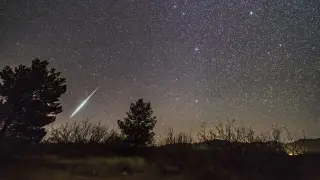
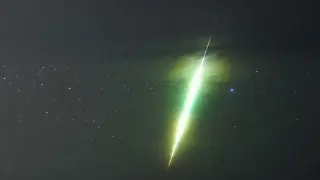
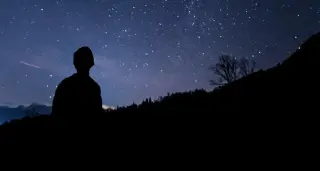
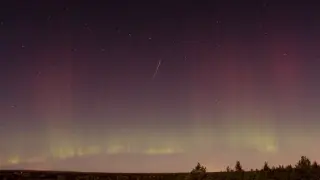
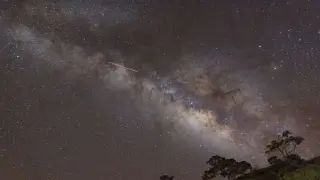
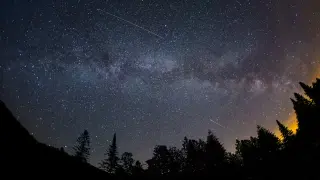
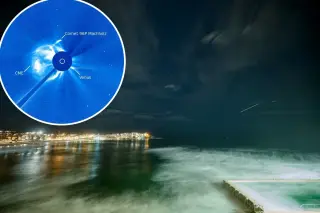
October 2026 offers prime conditions for observing the Taurid and Draconid meteor showers. The Taurids, known as 'Halloween Fireballs,' produce slow, bright meteors with minimal moon interference, while the Draconids peak on October 8 with a potential for unpredictable outbursts due to comet proximity.
The Draconid meteor shower peaks on October 8, 2026, offering a rare evening viewing window from 7 p.m. to 9 p.m. depending on time zone. Unlike most showers, it is visible shortly after sunset rather than pre-dawn. While activity is typically low at 5-10 meteors per hour, the proximity of Comet 21P/Giacobini-Zinner to Earth creates a possibility for a meteor storm. Clear skies and a waning crescent moon provide ideal conditions for observers in the Northern Hemisphere.
October 2026 features seven distinct meteor showers, with the Orionids and Southern Taurids offering the best viewing opportunities. The Orionids peak on October 21 with up to 15 meteors per hour, while the Southern Taurids peak on October 10 under a new moon, providing clearer visibility despite lower activity rates.
The Draconid meteor shower peaks on October 8, 2026, offering a rare evening viewing opportunity under nearly moonless skies. Unlike most showers, Draconids are best seen shortly after sunset, with activity lasting from October 6 to 10. Caused by debris from Comet 21P/Giacobini-Zinner, the shower is expected to produce about five meteors per hour. Observers in the Northern Hemisphere should look toward the constellation Draco, allowing 30 minutes for eyes to adjust to the dark.
The Draconids meteor shower peaks on October 8-9, 2026, offering a rare opportunity to observe meteors in the evening rather than pre-dawn. While typically low in activity, this shower is caused by Comet 21P/Giacobini-Zinner and is best viewed from dark locations in the Northern Hemisphere.
October 2026 offers prime viewing for Saturn at opposition on Oct. 4, the Orionid meteor shower peaking Oct. 21-22, and the Hunter's Moon on Oct. 26. The Milky Way core is visible until mid-month, and the Draconid shower occurs Oct. 8-9.
The Southern Taurid meteor shower has begun, running from September 20 to November 20. It features two peak nights: October 13-14 and November 4-5. While rates are low (5-10 meteors per hour), the shower is known for bright fireballs. Viewing conditions are favorable due to minimal moonlight, though urban observers may find the activity too sparse to justify a trip to dark skies.
Autumn 2026 offers a packed sky: the Fall Equinox on Sept 22 starts astronomical fall, with three Full Moons (Corn/Harvest Moon, Hunter, Beaver) and a strong meteor-showers season featuring Draconids (peak Oct 8), Orionids (peak Oct 21), Southern and Northern Taurids (peaks Nov 4–5 and 8–9), Leonids (peak Nov 16–17), and Geminids (Dec 13–14, ~100 meteors/hour) – near New Moon, minimizing moonlight. Venus glows in the evening sky while Mercury remains elusive; Saturn reaches Opposition on Oct 4, making it brightest this year, and Mars and Jupiter approach for a conjunction around Nov 14 before separating again. Moon phases will cross the sky with various close moon–planet events, offering prime observing opportunities across the season.
Alpha Capricornids and Southern Delta Aquariids peak Thursday night into Friday, but a July full moon will wash out many fainter meteors; visibility will be tough for most skywatchers, though those in the Southern Hemisphere may have a better view. For best results, seek high ground, face north with the Moon behind you to minimize glare, and look for brighter meteors from these showers. The Perseids are active too this week, though they won’t peak until mid-August.
A double meteor shower peak arrives Thursday night into Friday as Alpha Capricornids and Southern Delta Aquariids reach their densest points, but the July full Moon will wash out many faint meteors; the Perseids are also active and will peak in mid‑August. Viewing is tougher in the Northern Hemisphere, while the Southern Hemisphere may have a better view. For best results, find a high vantage point, face north with the Moon behind you, and expect only a handful of meteors per hour (roughly 2–3/hr NH and about 3/hr SH).
Two meteor showers—the Alpha Capricornids and Southern Delta Aquariids—are expected to peak tonight into the early morning hours, with the Delta Aquariids producing about 25 meteors per hour and the Alpha Capricornids around 5. A full Moon may wash out fainter meteors, but bright fireballs could still be visible. No special gear is needed; view from dark, low-light skies away from cities and preferably after midnight. The Delta Aquariids run through Aug. 23 and the Alpha Capricornids through Aug. 15, according to AMS/NASA.
A double meteor shower peak—Alpha Capricornids and Southern Delta Aquariids—will occur Thursday night into Friday, but the July Buck Moon will hinder visibility for fainter meteors; observers in the Southern Hemisphere may have the best view, with tips like finding high ground and facing north with the Moon behind you. The Perseids will peak later in August.
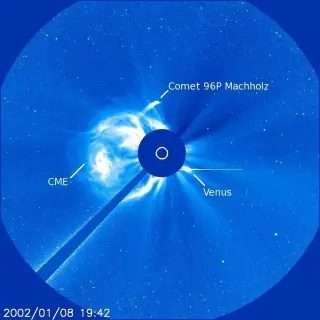
Two meteor showers, the Southern Delta Aquariids and Alpha Capricornids, peak back-to-back from July 28–31: the Delta Aquariids (from comet 96P/Machholz) can reach about 15 meteors per hour at their peak, while the Alpha Capricornids (from comet 169/NEAT) offer around 5 brighter meteors per hour. Best viewed under dark, clear skies from around 10 PM to dawn, with moonlight potentially washing out faint trails; visibility is generally good across hemispheres, though southern latitudes may offer the strongest viewing for the Delta Aquariids. Past outbursts occurred in 1977 and 2003, making occasional brighter displays possible.
Two meteor showers will peak in succession at the end of July 2026: the faint Southern Delta Aquariids (peaking July 28–29), likely from Comet 96P Machholz, and the brighter Alpha Capricornids (July 30–31) from 169P/NEAT. Expect up to about 15 meteors per hour during the Delta Aquariids under dark skies, though the waxing gibbous Moon may wash some out; the Alpha Capricornids deliver slower, more luminous fireballs. Delta Aquariids are best seen from southern latitudes, while Alpha Capricornids are visible from both hemispheres. For best viewing, lie flat, gaze roughly halfway between the horizon and the sky above you, about 45 degrees from Aquarius, and give your eyes 30 minutes to adapt before dawn.
Space.com reports the June Bootids—the notoriously unpredictable meteor shower tied to debris from comet 7P/Pons-Winnecke—are set to peak between June 20–27. While typically modest, past outbursts have ranged up to 100 meteors per hour (1998) and 20–50/hour (2004), underscoring the shower’s unpredictability. For best viewing, head to a dark site away from city lights, let your eyes adjust for about 20 minutes, and scan a broad area of the sky as the radiant in Boötes rises; don’t stare directly at the radiant. The shower runs late June with peak timing and rates that can be hard to forecast.