
NASA Confirms Record-Sized Lunar Crater Formed by Rare 2024 Impact
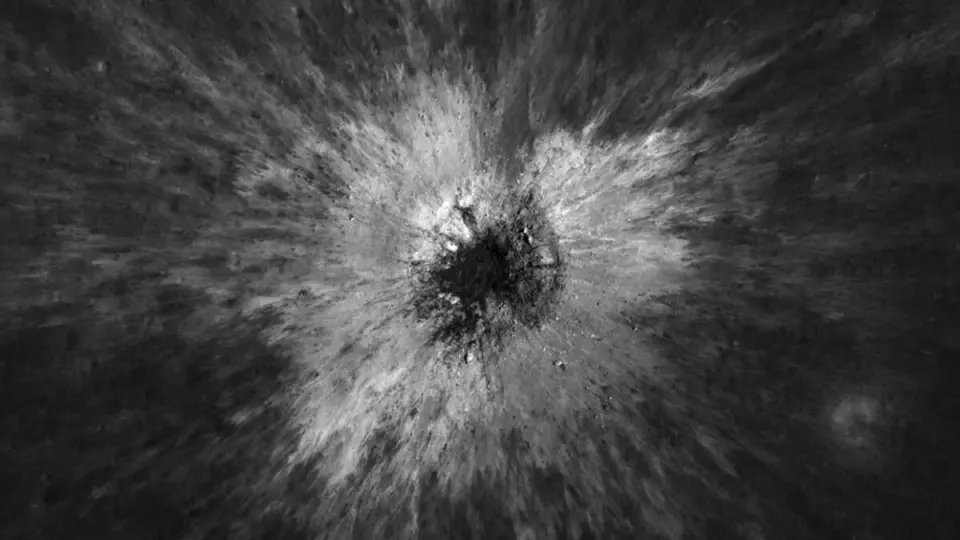
NASA’s Lunar Reconnaissance Orbiter identified a massive new crater on the Moon, named McGetchin, formed between April and May 2024. Measuring 222 meters wide and 43 meters deep, it is the largest newly formed crater ever recorded. The impact, likely from a three-to-six-story-sized rock, created a surrounding 'cold spot' 16°F cooler than nearby terrain due to disturbed regolith. Published in Science Advances, the findings highlight the Moon’s dynamic surface and implications for future lunar operations.
Key points
- The crater, named McGetchin, measures 728 feet (222 meters) in diameter and 141 feet (43 meters) deep.
- It was discovered by Robert Wagner of Intuitive Machines on October 24, 2025, using before-and-after image comparisons from the Lunar Reconnaissance Orbiter Camera.
- The impact occurred between April 11 and May 22, 2024, caused by an object estimated to be the size of a three-to-six-story building.
- A 4-mile-wide area surrounding the crater is 14-16°F colder at night than the surrounding surface due to fluffed-up regolith retaining less heat.
- Such large impacts are statistically rare, occurring approximately once every 132 years on the Moon.
Background
This discovery follows earlier coverage of other lunar impacts, including a SpaceX rocket crash crater analyzed in August 2026. The McGetchin crater is distinct as a natural impact event, not a human-caused one. Previous archive entries confirm the crater’s dimensions and the thermal anomaly, noting that while it is the largest *newly formed* crater, it is not the Moon’s largest overall. The IAU officially named the crater in 2026, emphasizing its value for studying impact processes and regolith evolution.
How outlets are covering it
Gizmodo and NASA Science emphasize the rarity of the event, describing it as a 'once-in-a-century' occurrence based on impact models. Futura highlights the practical implications for future rover operations, noting that disturbed regolith may affect wheel traction. Space.com focuses on the discovery process, detailing how Robert Wagner identified the anomaly during a routine data-quality check. All sources agree on the crater’s dimensions, the 2024 impact window, and the thermal anomaly, but differ in emphasis: NASA and Gizmodo stress the statistical rarity, while Futura and Space.com focus on the technical discovery and operational implications. No significant disagreements exist among the sources regarding the core facts.
Why it matters
The discovery underscores the Moon’s active geological state and the need for monitoring surface changes. The thermal anomaly and disturbed regolith could impact future lunar base construction and rover navigation. Understanding impact frequencies helps assess risks for lunar infrastructure and informs resource extraction strategies, as suggested by researcher David Paige of UCLA.
What to watch
Researchers plan to publish additional details on the impactor’s weight, speed, and origin in a future paper. NASA and Intuitive Machines will continue monitoring the lunar surface for new impacts using LRO data. The findings may guide future missions in selecting landing sites and understanding regolith properties for construction and resource extraction.
- Something Crashed Into the Moon in 2024, Leaving a Curiously Cold, ‘Once in a Century’ Crater Gizmodo
- A NASA spacecraft just found a giant new crater on the moon. Here's why everyone's talking about the 'once-in-a-century' discovery Space
- NASA orbiter spots record-sized new crater on the Moon Futura, le média qui explore le monde
- NASA’s Moon Orbiter Spots New, ‘Once-in-Century’ Moon Crater NASA Science (.gov)
- Asteroid the size of six-storey building crashed into moon in 'once-in-a-lifetime' moment, says NASA Sky News
Want the full story? Read the original reporting
Read on Gizmodo