
UK Researchers Model Yellowstone Supereruption Timeline, Predicting Billions in Premature Deaths
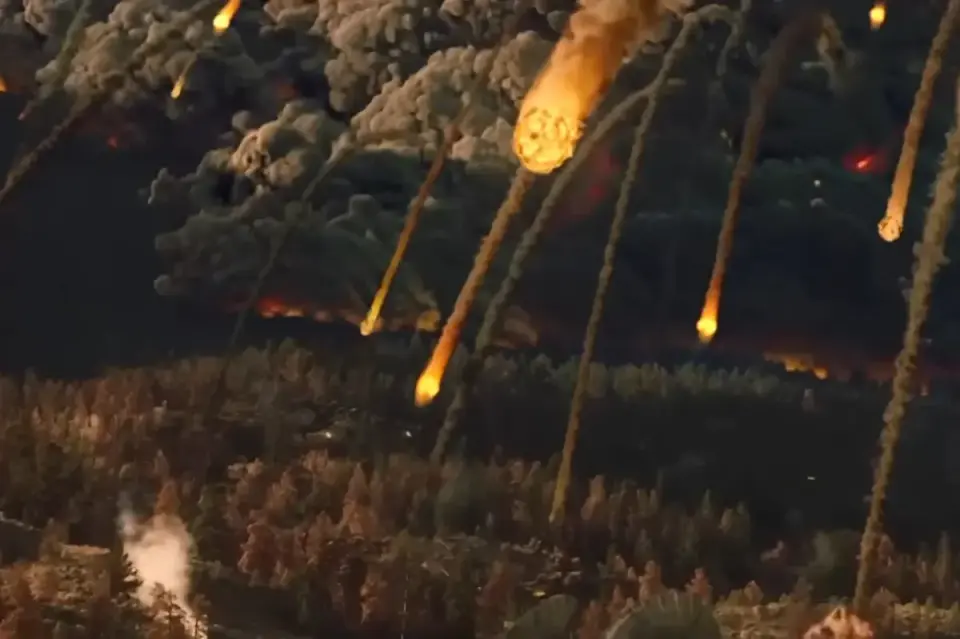
UK scientists detailed a hypothetical timeline for a Yellowstone supereruption, warning of global economic collapse and up to 1.3 billion premature deaths, though experts note such an event is not imminent.
Key points
- Researchers from University College London and Coventry University modeled a worst-case scenario for a Yellowstone supereruption, defining it as an event ejecting over 230 cubic miles of magma.
- The model predicts a one-month warning period marked by increased seismic activity and erratic geyser behavior, followed by a three-week alert phase with an 85-92% probability of eruption.
- Immediate impacts would include an evacuation zone covering 62 miles around the park, affecting 200,000 residents, and an eruption column reaching 31 miles into the atmosphere.
- Long-term consequences include global recession, agricultural collapse, and a shift to agrarian lifestyles, with estimates of 0.7 to 1.3 billion premature deaths worldwide.
- USGS experts caution that eruption intervals are not predictable, noting the last supereruption occurred 631,000 years ago and the average interval is roughly 725,000 years.
Background
Previous coverage in August 2026 emphasized that while Yellowstone is an active volcanic system, the USGS considers a full-scale supereruption extremely unlikely, with current monitoring showing normal alert levels and background seismic activity. The most probable future event is a localized lava flow or hydrothermal explosion rather than a catastrophic supereruption.
Why it matters
This study highlights the potential civilizational impact of a rare geological event, illustrating how a single volcanic eruption could trigger global economic and social collapse, despite the low probability of such an occurrence in the near term.
What to watch
No immediate action is required as the eruption is not imminent, but the study underscores the need for long-term disaster preparedness and international cooperation in the event of a major volcanic event.
Want the full story? Read the original reporting
Read on New York Post