
UN Report Confirms 1.5C Breach Imminent, Outlines Path to Reverse Warming
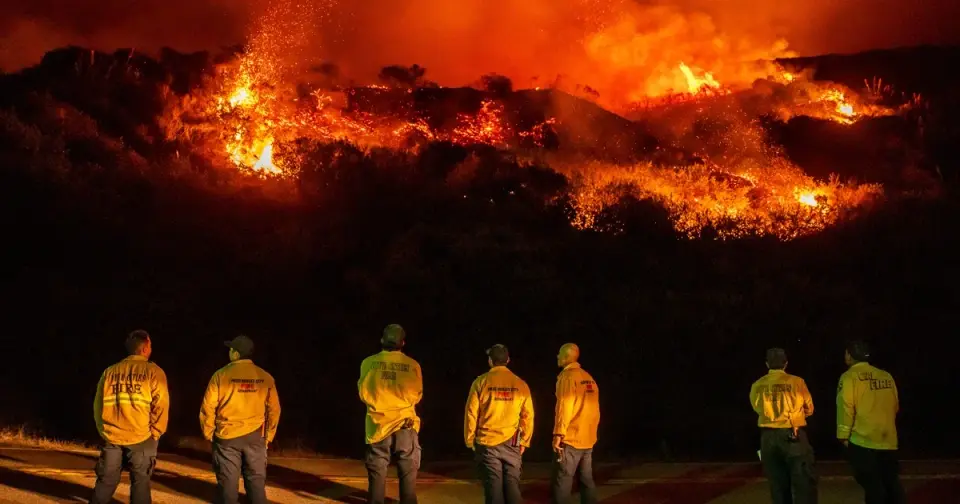
The UN Environment Programme (UNEP) has officially acknowledged that global temperatures will exceed the 1.5°C threshold set by the 2015 Paris Agreement within the next few years. This first-of-its-kind report shifts the strategic focus from preventing overshoot to managing it, proposing a pathway to peak warming at 1.8°C and then return below the limit by the end of the century through deep fossil fuel cuts and carbon dioxide removal. While current policies project warming to reach 2.6°C by 2100, the report emphasizes that limiting the peak and duration of overshoot is critical to avoiding irreversible tipping points, such as the collapse of ice sheets and the Amazon rainforest. Despite the bleak outlook, officials stress that every fraction of a degree avoided reduces damage, urging immediate action to navigate this new 'reality' of a warmer world.
Key points
- UNEP confirms the 1.5°C limit will be breached in the next few years, marking a shift from avoidance to navigation.
- The report proposes an 'overshoot, peak, and decline' strategy, aiming to return temperatures below 1.5°C by 2100.
- Current national policies are projected to lead to 2.6°C warming by 2100, while the most optimistic scenario peaks at 1.8°C.
- Carbon dioxide removal is deemed essential but insufficient alone; deep fossil fuel cuts must precede technological solutions.
- The report warns of irreversible tipping points, including ice sheet loss and Amazon deforestation, if warming continues unchecked.
Background
This report follows earlier warnings, including a 2026 study suggesting the 1.5°C limit could be breached before 2030 due to accelerated warming rates. It also builds on previous UNEP roadmaps that outlined decarbonization paths, but this is the first dedicated assessment to explicitly accept overshoot as inevitable and detail the mechanics of reversing it. The context of rising global temperatures, currently at 1.4°C above pre-industrial levels, underscores the urgency of this new strategic framework.
How outlets are covering it
While all sources agree on the inevitability of overshoot, they differ in tone and emphasis. NBC News and RTE.ie highlight the 'reality check' and the shift in strategy, quoting UN officials on the need to 'navigate' the new climate reality. The Guardian emphasizes the severity of the outcome, noting 'no good outcomes' above 1.5°C and stressing the legal obligations of nations. Euronews provides a technical perspective, linking the climate crisis to energy infrastructure challenges, such as the 'paradox of progress' where renewable growth is outpaced by AI and cooling demand. Critics like Bill Hare of Climate Analytics argue the report fails to provide a clear 'way out' or emphasize fossil fuel phase-outs sufficiently, while activists like Greenpeace warn against using overshoot as an excuse to abandon the 1.5°C goal. Small island nations, represented by Palau’s president, view the report as a critical 'fork in the road' demanding urgent political will.
Why it matters
This report fundamentally changes the global climate strategy from prevention to adaptation and recovery. It signals that the 1.5°C target is no longer a preventative measure but a long-term goal to be achieved after a period of higher warming. This shift impacts international policy, requiring nations to focus on rapid emissions cuts and carbon removal technologies to minimize the duration and peak of overshoot, thereby reducing the risk of irreversible ecological and economic damage.
What to watch
Governments are expected to revise their climate policies to align with the 'overshoot, peak, and decline' pathway, prioritizing immediate emissions reductions and scaling carbon removal technologies. The report calls for a 'bold adaptation' phase to manage the impacts of the overshoot period, including infrastructure protection and livelihood support. International negotiations will likely focus on funding for carbon removal and adaptation, as well as holding nations accountable for their net-zero commitments to ensure the peak warming is limited to 1.8°C.
- Global warming will exceed limit, U.N. says in a report that maps path to get back below danger zone NBC News
- Global heating will hit at least 1.8C, UN warns, and there are ‘no good outcomes’ The Guardian
- Global temperature rises to exceed 1.5 Celsius 'within a few years', UNEP says Reuters
- World must navigate 'reality' of 1.5C overshoot, says UN RTE.ie
- The world is on track to overshoot 1.5°C – but there’s a pathway out Euronews.com
Want the full story? Read the original reporting
Read on NBC News