
UN Report Confirms 1.5°C Limit Breach Imminent, Outlines Path to Recovery
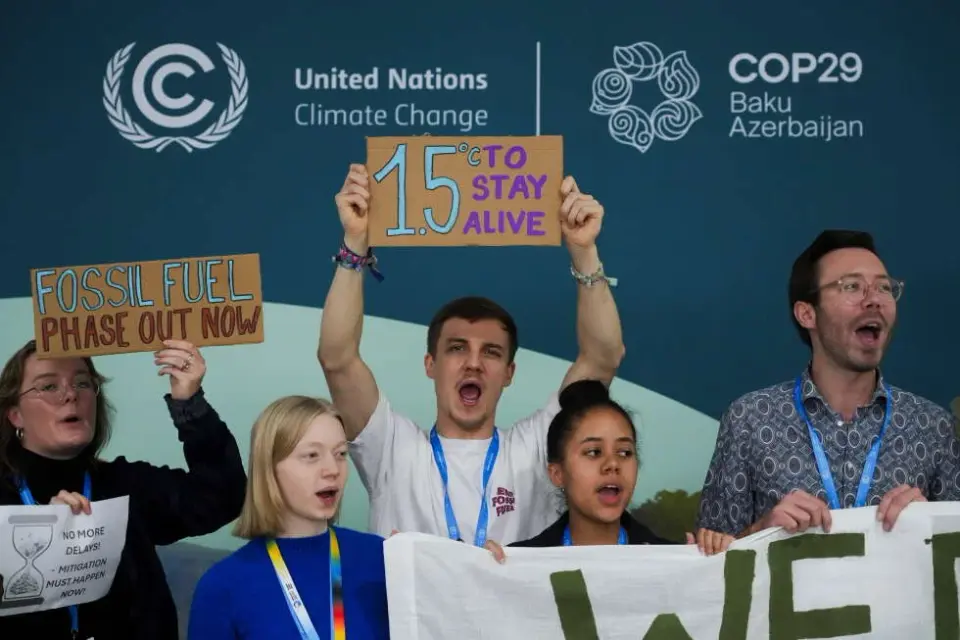
A new United Nations report confirms that global temperatures are on track to exceed the 1.5°C warming limit set by the Paris Agreement. While the report acknowledges a retreat in previous efforts to limit climate change, it provides a detailed roadmap for how nations can reduce emissions to bring temperatures back below the danger zone. The findings align with earlier scientific studies warning that current warming trends could breach the limit before 2030.
Key points
- The UN has released a report stating that global warming will exceed the 1.5°C threshold.
- The report maps a specific path for countries to reduce emissions and return to below the danger zone.
- The findings indicate a retreat in previous global efforts to limit climate change.
- The report emphasizes that while the limit may be breached, it is not too late to mitigate the damage.
Background
This report follows a series of alarming climate developments in 2026. In August, a study in Geophysical Research Letters warned that global warming has accelerated since 2015, potentially breaching the 1.5°C limit before 2030. Earlier in the year, Europe faced record heat and megafires in France and Spain, while disease-carrying mosquitoes expanded into new regions due to rising temperatures. These events underscore the urgency of the UN's latest findings.
Why it matters
The UN report serves as a critical benchmark for global climate policy. By confirming the likelihood of exceeding the 1.5°C limit, it highlights the immediate need for decisive action from major polluters. The provided roadmap offers a tangible strategy for reversing the trend, which is essential for preventing irreversible tipping points such as ocean circulation breakdown and permafrost thaw.
What to watch
Nations are expected to review the UN's roadmap and adjust their emissions reduction strategies accordingly. The focus will shift from preventing the breach to mitigating the impacts and potentially returning to below the 1.5°C threshold. Major polluters, particularly the United States, will face increased pressure to act decisively to align with the new scientific consensus.
Want the full story? Read the original reporting
Read on AP News