
Oil dips as Saudi reroutes crude, but Houthi control of Bab al-Mandeb strains US-Gulf security pact
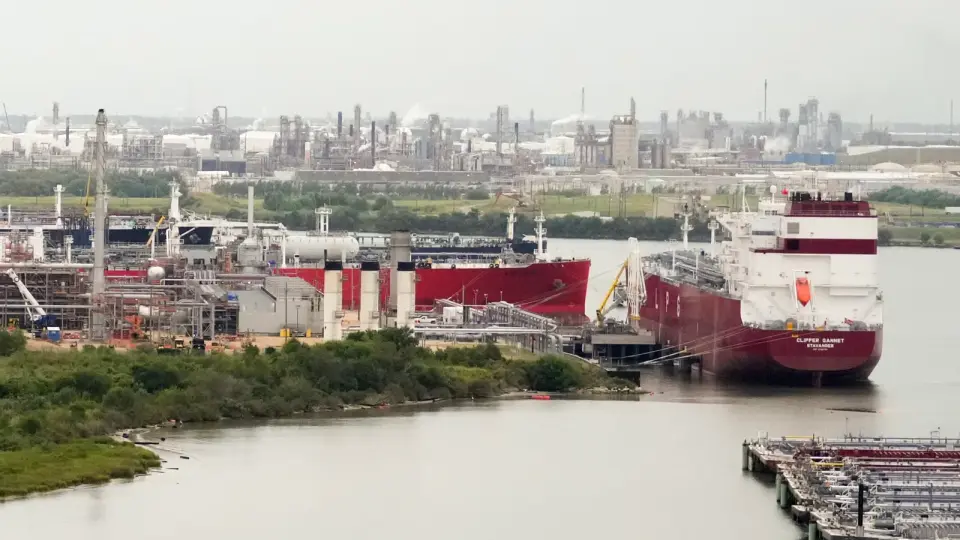
Oil prices fell approximately 2% on Friday as Saudi Arabia successfully rerouted crude shipments to Asia via Oman, easing fears of severe supply disruptions. However, geopolitical tensions remain high after the Houthis seized control of the Bab al-Mandeb strait, prompting President Trump to downplay the threat while refusing direct military intervention. Analysts note that while logistics have improved, the Middle East remains vulnerable to further conflict, with the US prioritizing the Strait of Hormuz over the Red Sea.
Key points
- Brent crude fell 2.2% to $102.57 and WTI dropped 1.9% to $100.05, marking a third consecutive day of losses.
- Saudi Arabia bypassed the damaged East-West pipeline by shipping crude to Asian buyers through Oman, reducing the perceived risk of supply cuts.
- The Houthis captured the coastal town of Dhubab and Perim Island, giving them direct control over the Bab al-Mandeb strait.
- President Trump stated in Dublin that the Houthis are allowing ships to pass and that the situation would 'work out very well,' refusing to launch a new military front in Yemen.
- US Central Command Admiral Brad Cooper visited Riyadh to coordinate support for Saudi Arabia without committing to direct US military action against the Houthis.
Background
This development follows a sharp rise in oil prices earlier in September, where Brent crude peaked near $108 after drone attacks damaged Saudi infrastructure and the East-West pipeline. Previous coverage highlighted that the US-Iran conflict had already strained military resources, leading to debates about the sustainability of the US security umbrella in the Gulf region.
How outlets are covering it
CNBC focuses on the immediate market reaction, attributing the price drop to improved logistics and a partial unwinding of the geopolitical risk premium. Analysts cited by CNBC argue that while the Middle East remains vulnerable, the ability to reroute crude has reduced the probability of severe disruption. In contrast, Al Jazeera frames the situation as a structural shift in US-Gulf relations, arguing that Trump’s refusal to intervene in Yemen signals the collapse of the traditional 'security-for-oil' bargain. Al Jazeera emphasizes that the US is prioritizing the Strait of Hormuz due to domestic political constraints and military exhaustion, leaving Saudi Arabia to rely on a new multinational maritime alliance for security.
Why it matters
The divergence in oil prices despite ongoing conflict highlights the market's sensitivity to logistical solutions over geopolitical rhetoric. However, the US decision to avoid a military response in Yemen may force Gulf states to diversify their security partnerships, potentially altering the global energy security architecture and increasing long-term volatility in oil markets.
What to watch
Traders will monitor the pace of Saudi Arabia’s restoration of the East-West pipeline and any further Houthi actions in the Red Sea. Diplomatic efforts to form a multinational defensive maritime alliance, including a potential summit between Saudi Arabia and Egypt, will be key indicators of whether the region can stabilize without direct US military intervention.
- Oil prices fall as Saudi supply hopes outweigh fresh Houthi strikes CNBC
- What to know after a week of Houthi attacks that threaten Saudi oil npr.org
- Oil Prices Fall for Third Day as WTI Slips Below $100 WSJ
- ‘They called us’: Has Trump abandoned Bab al-Mandeb to the Houthis? Al Jazeera
- Oil prices fall 2% on easing fears over Saudi supply disruption Reuters
Want the full story? Read the original reporting
Read on CNBC