
Oil Rises as Iran Claims Hormuz Deal with Oman, Despite US Threats and Rejection
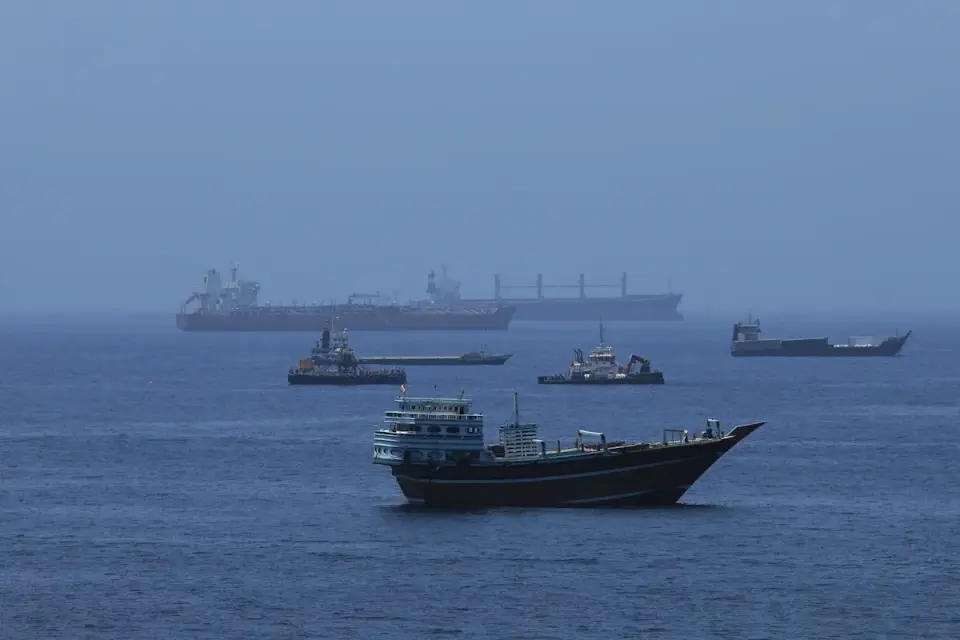
Oil prices extended gains after Iran announced it was close to finalizing a shipping corridor agreement with Oman. This development follows a sharp escalation in the maritime conflict, where US forces struck three Iranian-linked tankers in retaliation for Iranian missile attacks on US naval vessels. While Tehran claims a revenue-sharing deal is imminent, sources indicate Oman has quietly rejected the proposal due to US threats and unresolved terms.
Key points
- Iran stated it is close to signing an agreement with Oman to establish a new shipping route through the Strait of Hormuz.
- US forces struck three Iranian-linked tankers, including the vessel Noxen, in retaliation for ballistic missile attacks by the Islamic Revolutionary Guard Corps (IRGC) on US warships.
- The New York Post reports that Oman quietly rejected Iran's proposal to charge service fees on commercial ships, despite IRGC claims of a deal.
- President Trump previously threatened to bomb Oman if it agreed to de facto tolling of the waterway, complicating the negotiations.
- The International Maritime Organization (IMO) has not yet received any official proposal regarding the new corridor.
Background
This escalation follows months of stalled negotiations. In August 2026, Iran and Oman discussed a temporary, Iran-dominant corridor, but Tehran linked reopening to US concessions, including troop withdrawal and compensation. Previous reports indicated Iran sought to bar US and Israeli ships and charge transit fees, a plan that required Supreme Leader approval and faced significant political hurdles. The current conflict represents a significant escalation from earlier diplomatic posturing to active maritime strikes.
How outlets are covering it
Outlets present conflicting views on the deal's status. Yahoo Finance highlights the market reaction, noting oil extended gains on Iran's claim of a near-deal. Lloyd's List emphasizes the military escalation, detailing US strikes on tankers and noting the IMO has not received an official proposal. The New York Post provides a counter-narrative, asserting that Oman quietly rejected the fee-sharing proposal due to US threats and that the terms were not even finalized by Tehran. This divergence suggests the 'deal' may be a unilateral Iranian announcement rather than a mutually agreed framework.
Why it matters
The Strait of Hormuz is a critical bottleneck for global energy flows. Any disruption or new fee structure could significantly impact oil prices and commercial shipping routes. The escalation from diplomatic talks to active strikes on tankers and warships indicates a high risk of wider regional conflict, potentially affecting global energy security and supply chains.
What to watch
Watch for official responses from Oman and the US regarding the rejected fee proposal. Monitor oil price volatility and any further military strikes in the Strait of Hormuz. The International Maritime Organization's reaction to the proposed corridor will also be a key indicator of international acceptance.
- Oil Extends Gain as Iran Says Hormuz Deal With Oman Is Close Yahoo Finance
- Oil Near $100 as Iran Says Hormuz Deal With Oman Is Close Bloomberg.com
- Iran proposes Hormuz shipping corridor as tanker war with US escalates Lloyd's List
- Iran Says Strait of Hormuz Deal With Oman Just Days Away Yahoo Finance
- Oman quietly rejects Iran’s pitch for Strait of Hormuz fees — despite IRGC claim of deal nypost.com
Want the full story? Read the original reporting
Read on Yahoo Finance