
IMO adopts first global framework for ocean carbon removal as industry scales in Halifax
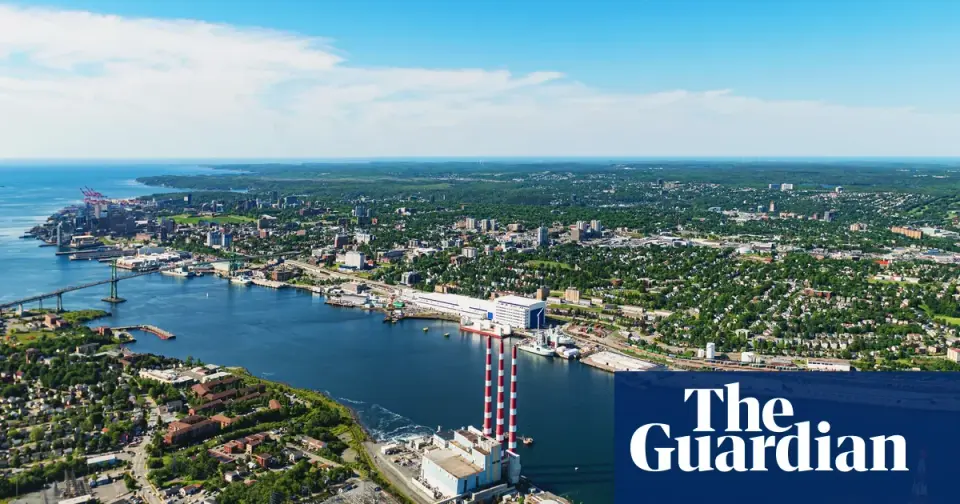
The International Maritime Organization has adopted the first international framework acknowledging ocean carbon removal techniques, including alkalinity enhancement, while urging caution and further research. This follows a surge in private investment, with over $500 million poured into the sector since 2021, and the expansion of operations in Nova Scotia, which has become the world's largest center for this technology. While proponents argue these methods accelerate natural carbon cycles without harming marine life, critics warn that the rapid pace of commercial deployment outstrips scientific understanding and regulatory oversight, potentially risking ecosystem damage.
Key points
- The International Maritime Organization adopted a framework in October 2026 acknowledging ocean fertilization, alkalinity enhancement, and biomass sinking, urging further research before activities beyond the research stage.
- Planetary Technologies operates in Halifax, Nova Scotia, adding alkaline slurry to cooling water to increase seawater pH and absorb carbon, generating revenue by selling credits to companies like JPMorgan Chase and Shopify.
- Nova Scotia is now the largest ocean alkalinity enhancement center globally, hosting multiple private firms and research sites, while other trials are proposed in the Gulf of Mexico, Saudi Arabia, Norway, and Singapore.
- Critics, including marine scientists and conservation groups, argue that the private sector is moving too fast, risking environmental harm due to insufficient public funding for regulation and a lack of comprehensive environmental risk assessments.
- Proponents counter that delaying scaling due to excessive regulation is unaffordable given the urgent need to combat ocean warming and acidification, asserting that current technologies mimic natural processes.
Background
This development follows a period of rapid private investment in marine carbon dioxide removal, with over $500 million invested since 2021. The sector has grown from small government grants to a commercial industry selling carbon credits, despite ongoing debates about the environmental safety of adding materials to marine ecosystems. Previous discussions have highlighted the lack of clear jurisdictional boundaries for these activities under existing maritime laws.
Why it matters
The IMO framework marks a pivotal moment in the governance of geoengineering, signaling that the international community is beginning to regulate a rapidly expanding industry. The tension between the urgency to mitigate climate change and the need for rigorous environmental safeguards defines the current landscape, with potential implications for marine biodiversity and the credibility of carbon markets.
What to watch
Regulators and scientists will likely focus on developing methodologies for accounting for carbon removal and assessing environmental risks, particularly regarding trace metals in alkaline materials. The industry may face increased scrutiny as more field trials are proposed globally, while governments may need to step in to fill regulatory gaps identified by legal experts.
Want the full story? Read the original reporting
Read on The Guardian