
Oceans Absorb Record Heat, Accelerating Sea Level Rise and Ecosystem Collapse
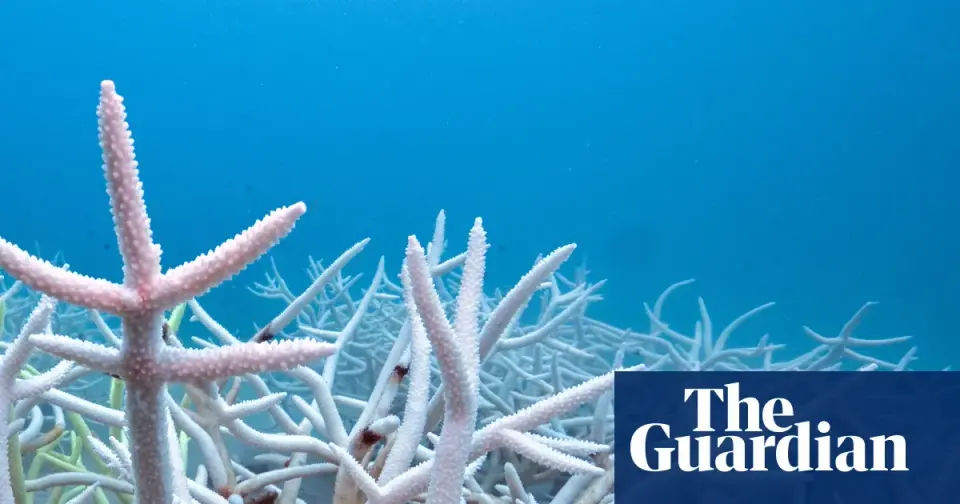
The 10th Copernicus Ocean State Report reveals that global oceans absorbed a record 23 zettajoules of heat in 2025, equivalent to 40 times humanity's annual energy use. This thermal surge has accelerated sea level rise to 4.2mm per year since 2012 and increased ocean acidity by 17% since 1985. The report highlights severe ecosystem damage, including 84% of coral reefs experiencing bleaching stress and breeding failures for emperor penguins in Antarctica. While Europe faces intensified marine heatwaves and coastal erosion, a record-breaking El Niño is expected to further exacerbate these trends in 2026.
Key points
- Global oceans absorbed 23 zettajoules of heat in 2025, a record ninth consecutive year of increase.
- Sea level rise has accelerated to 4.2mm per year between 2012 and 2025, up from 3.8mm annually since 1999.
- Ocean acidity has risen by 17% since 1985, threatening shell-forming species like oysters and corals.
- 84% of the world's coral reefs experienced bleaching-level heat stress between January 2023 and September 2025.
- A record-breaking El Niño is currently intensifying ocean temperatures and is expected to peak by the end of 2026.
Background
This report follows earlier warnings about the shrinking economic margins due to energy shocks and highlights the long-term trajectory of ocean changes. Previous coverage noted the UN's push for more accurate map projections, reflecting a broader shift in how global environmental data is communicated. The current findings build on the September 2026 release of the Copernicus report, which first detailed the 23 zettajoule heat absorption and accelerating sea levels.
How outlets are covering it
The Guardian emphasizes the sheer scale of heat absorption, comparing it to 40 times global energy use, and highlights the 'ozone-climate penalty' where heat and pollution combine to create dangerous air quality. CNN focuses on the 'starkest warning yet' framing, stressing the immediate impacts on coastal communities and the role of El Niño in amplifying these changes. Oceanographic Magazine provides a detailed breakdown of the biological consequences, such as the disruption of phytoplankton growth and the specific decline in Arctic sea ice, while noting the political will needed to address these issues. All three sources agree on the core data but differ in emphasis: The Guardian links ocean heat to land-based air quality, CNN highlights the human security aspect, and Oceanographic Magazine focuses on the ecological and political dimensions.
Why it matters
The accelerating rate of sea level rise and ocean acidification directly threatens coastal infrastructure, food security, and biodiversity. The record heat absorption indicates that the ocean is reaching its capacity to buffer climate change, leading to more frequent and severe marine heatwaves. This has immediate consequences for global fisheries, coastal economies, and the stability of small island developing states, which are disproportionately affected by rising seas and storm surges.
What to watch
A record-breaking El Niño is expected to peak by the end of 2026, likely driving ocean temperatures to new highs. The report calls for sustained monitoring and political action to prepare for these changes. As the international community prepares for Cop31, the findings will likely influence discussions on climate adaptation and air quality regulations. Continued monitoring of ocean currents and sea ice will be crucial to understanding the long-term impacts of these changes.
- World’s oceans absorbed record heat equal to 40 times annual global energy use theguardian.com
- Scientists deliver ‘starkest warning yet’ of profound changes sweeping the planet’s oceans CNN
- “Transforming before our eyes”: ocean absorbing record heat Oceanographic Magazine
- How Europe’s intensifying marine heatwaves threaten its fisheries Reuters
- Salty seas get saltier and world ocean more acidic as heatwaves bring ‘profound change’ ft.com
Want the full story? Read the original reporting
Read on theguardian.com