
Europe’s UV Surge: Clearer Skies Outpace Ozone Recovery
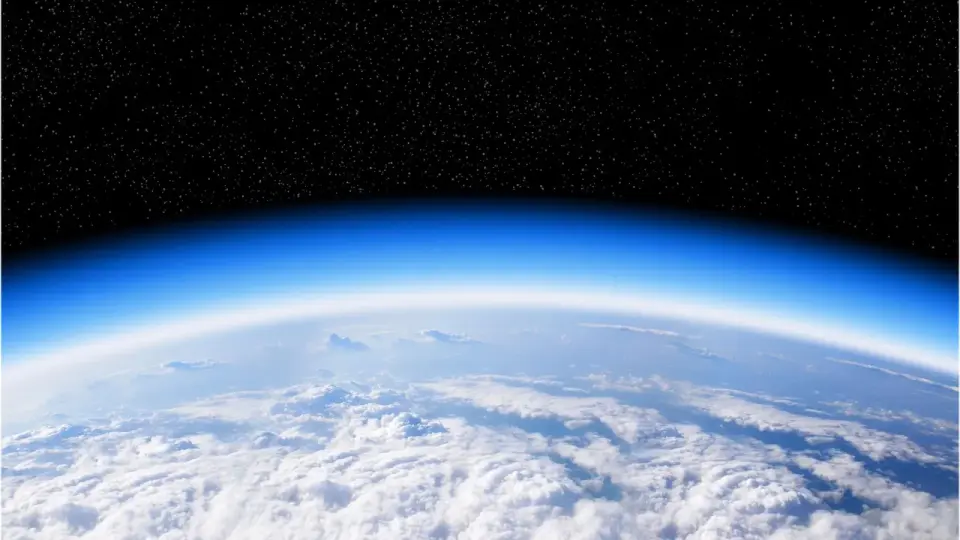
The World Meteorological Organization (WMO) reports that while the stratospheric ozone layer is recovering, ground-level UV exposure in Europe has risen over the past 30 years. This increase is driven primarily by reduced cloud cover and clearer skies, not by a failure of the ozone shield. Although the Antarctic ozone hole remains smaller than historical averages, its recovery is slower than predicted, and extreme weather events linked to climate change may further complicate the timeline for full atmospheric restoration.
Key points
- WMO’s 2025 Ozone Bulletin, released on September 16, 2026, confirms global ozone levels are recovering, with full restoration expected within several decades.
- European ground sensors show a 30-year increase in UV levels, attributed to fewer clouds and more sunshine hours, which allow more solar radiation to reach the surface.
- The 2025 Antarctic ozone hole was significantly smaller than the 1990-2020 average, but its expansion rate in early September 2026 was above average, reaching 25 million square kilometers.
- A strong Arctic winter vortex in early 2025 caused below-average ozone levels across a band from Greenland to Japan, illustrating how extreme weather can disrupt recovery.
- Susan Solomon, a 2026 Tang Prize laureate, emphasized that while the Montreal Protocol is a major success, recovery is slow due to the long atmospheric lifespan of chlorofluorocarbons (CFCs) and potential new threats like wildfire smoke.
Background
Previous concerns about satellite reentries introducing alumina into the stratosphere have not yet confirmed a reversal of ozone recovery, though they remain a variable in long-term models. Europe’s recent severe drought and changing weather patterns align with the broader trend of shifting cloud cover and increased solar exposure noted in the current WMO report.
How outlets are covering it
Futura-Sciences emphasizes that local weather patterns, specifically reduced cloud cover, are the primary driver of increased UV exposure in Europe, even as the ozone layer heals. Scientific American highlights that the recovery rate is slower than predicted and that climate change-driven extreme weather, such as the 2025 Arctic vortex, may slow progress. Sustainability Online notes that while the Antarctic ozone hole is smaller than historical peaks, its rapid expansion in September 2026 signals ongoing volatility. Focustaiwan focuses on the historical success of the Montreal Protocol but warns that emerging factors like wildfire smoke and CFC leakage could hinder future recovery.
Why it matters
The disconnect between stratospheric healing and ground-level UV exposure means that public health risks from sun exposure remain high despite progress in atmospheric chemistry. Citizens and policymakers must continue to prioritize sun protection measures, as the recovery of the ozone layer does not immediately translate to reduced UV intensity at the surface due to concurrent changes in cloud cover and local weather patterns.
What to watch
WMO and Copernicus Atmosphere Monitoring Service (CAMS) will continue monitoring the interaction between natural atmospheric factors and human-made disturbances. Scientists expect full ozone recovery within several decades, but the pace may be influenced by climate change, wildfire smoke, and the long-term persistence of CFCs in the atmosphere. Ongoing research will assess whether emerging threats, such as satellite reentries or new chemical leaks, could alter the recovery timeline.
- Experts promise ozone recovery — so why are UV levels spiking in Europe? Futura, le média qui explore le monde
- In 2025, the ozone hole shrank to one of its smallest sizes in decades Phys.org
- The hole in the ozone layer is healing, but extreme weather may be slowing progress down Scientific American
- Ozone hole over Antarctic increases at ‘above average’ rate Sustainability Online
- Ozone recovery a rare success story: Tang Prize laureate Susan Solomon focustaiwan.tw
Want the full story? Read the original reporting
Read on Futura, le média qui explore le monde