Tag

Ozone Layer

All articles tagged with #ozone layer

2026 Antarctic Ozone Hole Reaches Decade High, Yet Recovery Trajectory Holds
environment19 days ago

2026 Antarctic Ozone Hole Reaches Decade High, Yet Recovery Trajectory Holds

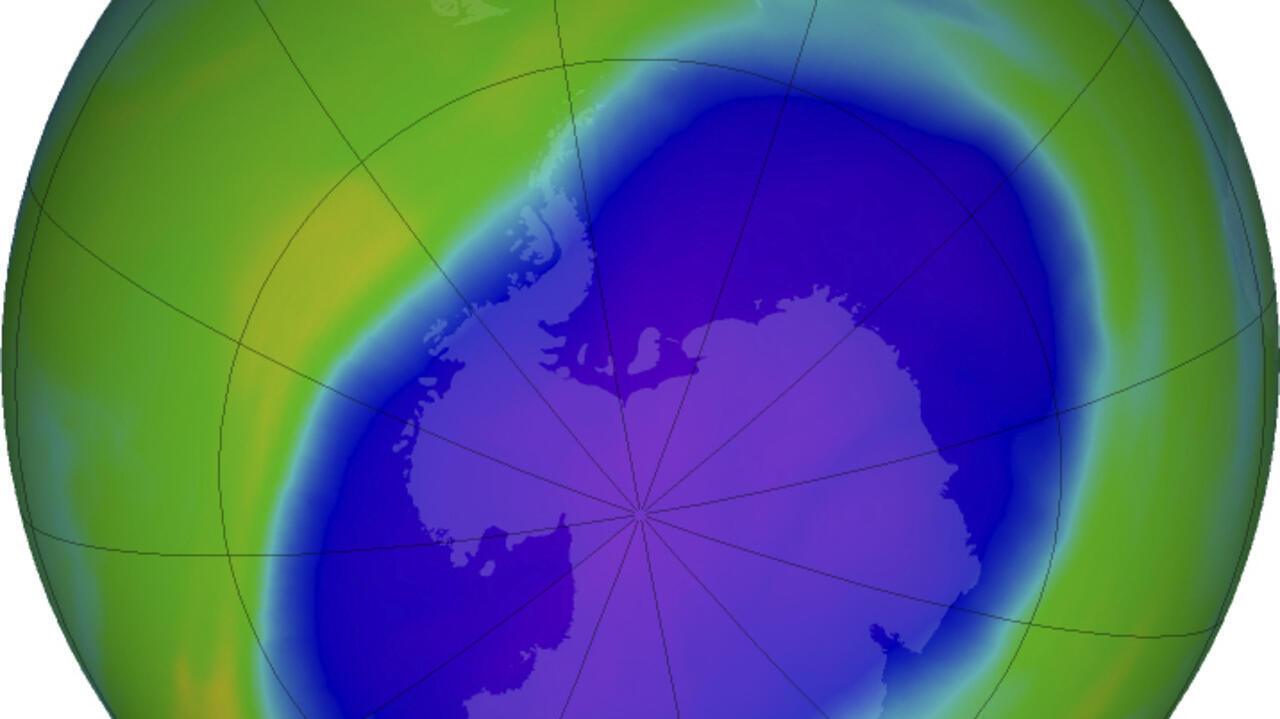
The 2026 ozone hole over Antarctica has become the largest in ten years, reaching 10.5 million square miles on September 18. This expansion, driven by an unusually strong polar vortex, marks the seventh-largest hole in 48 years of monitoring. Despite this significant annual increase, scientists from NOAA and NASA confirm that long-term recovery remains on schedule, with full restoration expected by the 2070s.
Europe’s UV Surge: Clearer Skies Outpace Ozone Recovery
environment2 months ago

Europe’s UV Surge: Clearer Skies Outpace Ozone Recovery

The World Meteorological Organization (WMO) reports that while the stratospheric ozone layer is recovering, ground-level UV exposure in Europe has risen over the past 30 years. This increase is driven primarily by reduced cloud cover and clearer skies, not by a failure of the ozone shield. Although the Antarctic ozone hole remains smaller than historical averages, its recovery is slower than predicted, and extreme weather events linked to climate change may further complicate the timeline for full atmospheric restoration.

Satellite Reentries Inject Alumina Nanoparticles Into Stratosphere, Threatening Ozone Recovery
science3 months ago

Satellite Reentries Inject Alumina Nanoparticles Into Stratosphere, Threatening Ozone Recovery

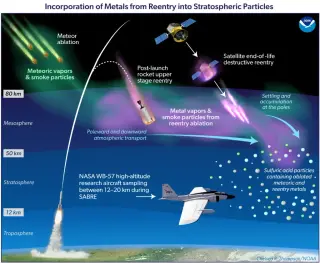
While the Montreal Protocol successfully phased out 99% of ozone-depleting substances, a new threat emerges from low-Earth orbit. As thousands of short-lived satellites reenter the atmosphere, they vaporize aluminum, creating alumina nanoparticles. Scientists warn these particles can catalyze chlorine chemistry that destroys ozone. Although current models suggest the near-term impact is minimal, the long-term scale remains uncertain as satellite populations grow.

Rocket Launches Contributing to Ozone Layer Depletion
environment1 year ago

Rocket Launches Contributing to Ozone Layer Depletion

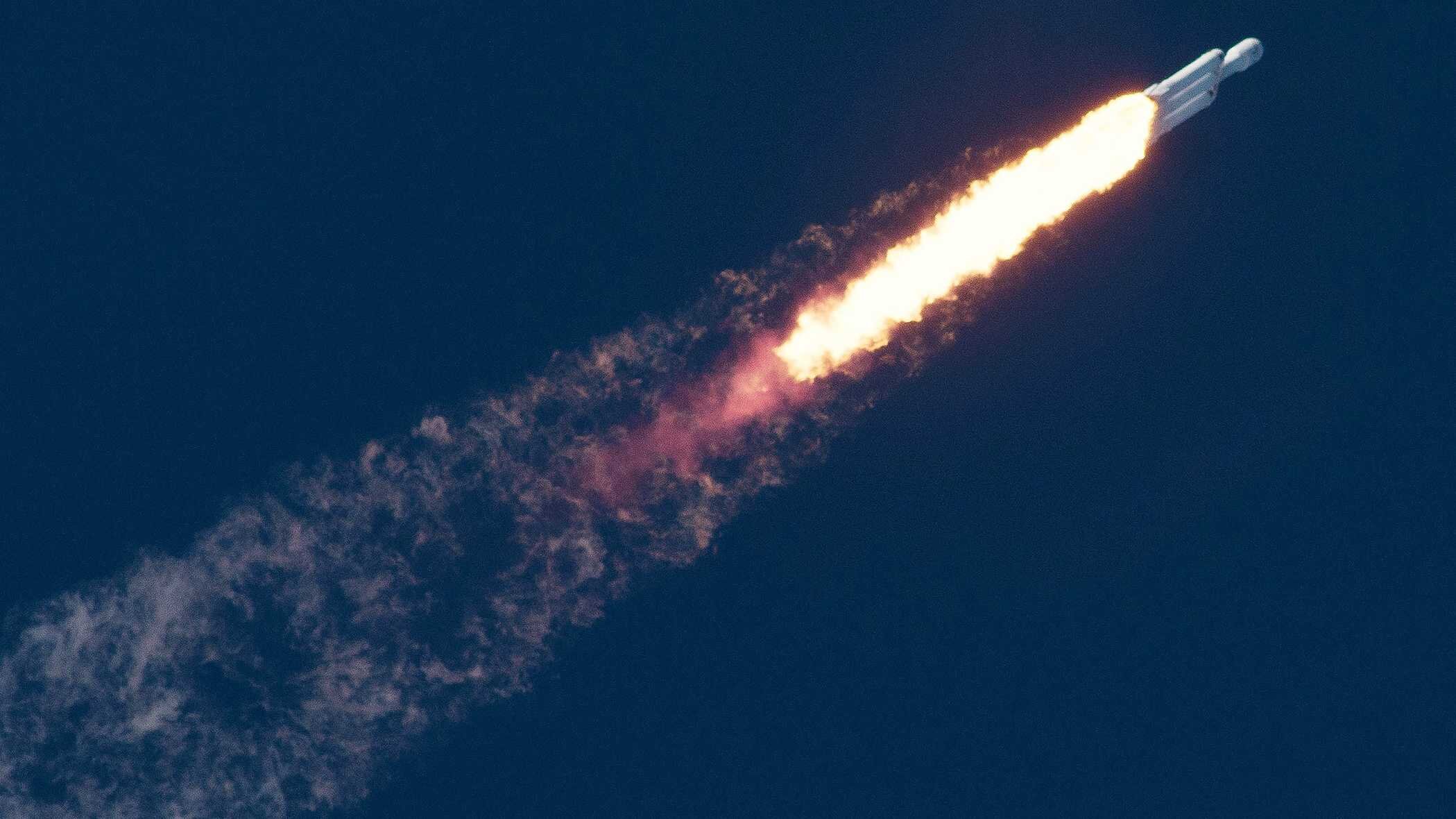
The rapid increase in rocket launches, driven by the expanding space industry, could significantly delay the recovery of the Earth's ozone layer due to emissions of chlorine and soot, which damage ozone. A study predicts that by 2030, increased launches could reduce ozone thickness by nearly 0.3%, with more severe seasonal effects over Antarctica, potentially setting back recovery efforts. Mitigating this impact requires coordinated global action, regulation, and technological advancements in rocket propulsion to protect this vital natural shield.

Concerns Rise Over Environmental Impact of Space Station's Planned Ocean Crash
science-and-environment1 year ago

Concerns Rise Over Environmental Impact of Space Station's Planned Ocean Crash

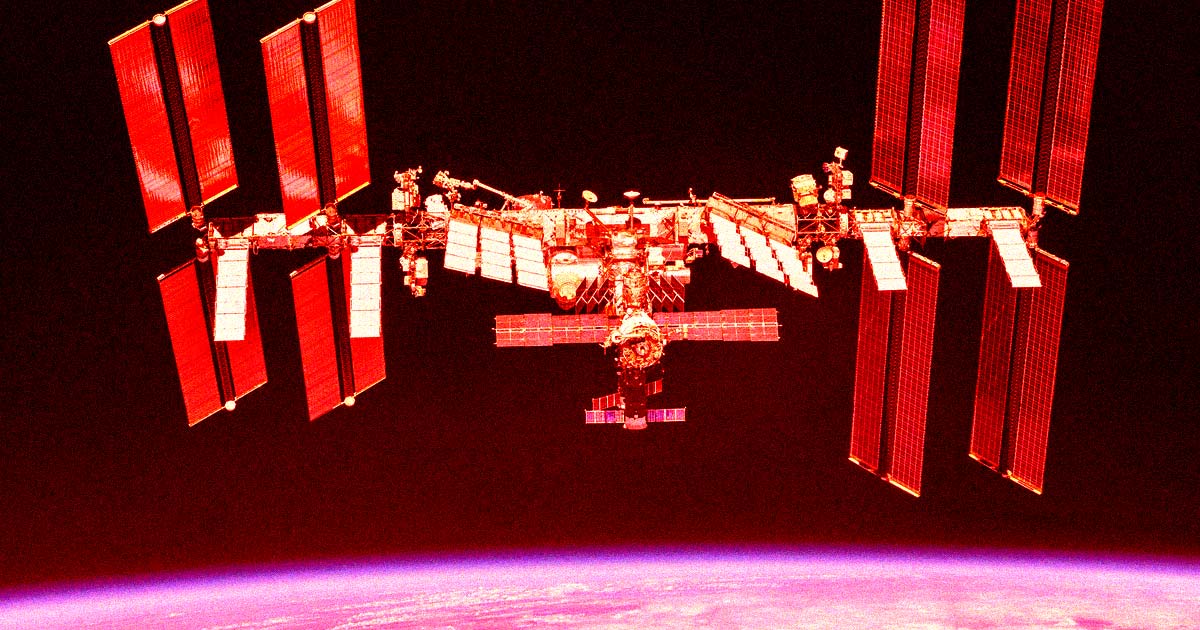
NASA plans to deorbit the International Space Station by 2030, but experts are concerned about the environmental impact of its reentry. The station's large mass could release harmful chemicals into the atmosphere, potentially damaging the ozone layer. This concern is heightened by the increasing number of satellites burning up during reentry, which may contribute to ozone depletion. While the ocean impact is expected to be minimal, the effects on the upper atmosphere remain uncertain.

Starlink Satellites Threaten Ozone Layer Recovery, Study Warns
environment2 years ago

Starlink Satellites Threaten Ozone Layer Recovery, Study Warns

New research suggests that Elon Musk's Starlink satellites could damage the Earth's ozone layer by releasing significant amounts of aluminium oxide gas when they deorbit and burn up in the atmosphere. This gas can deplete the ozone layer, which protects against harmful ultraviolet radiation. With thousands of satellites planned for launch, the environmental impact could be substantial, prompting scientists to call for further investigation.

Starlink Satellites Threaten Ozone Layer Recovery
environment2 years ago

Starlink Satellites Threaten Ozone Layer Recovery

The planned launch of tens of thousands of satellites by companies like Starlink could pose a new threat to the ozone layer. When these satellites burn up upon re-entry, they release aluminium oxide particles into the atmosphere, potentially facilitating ozone-destroying chemical reactions. While the exact impact is still uncertain, the increasing presence of metallic particles in the stratosphere raises concerns about accelerated ozone loss and other environmental effects.

"Tonga Eruption May Alter Global Weather for Years"
environment2 years ago

"Tonga Eruption May Alter Global Weather for Years"

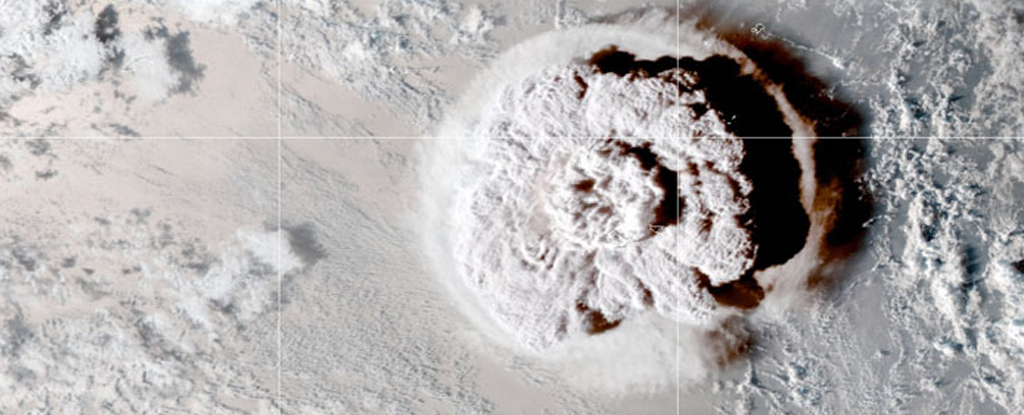
The Hunga Tonga-Hunga Ha'apai volcanic eruption in January 2022 has had significant and unusual climate impacts, including contributing to a large ozone hole in 2023 and altering weather patterns for years. Unlike typical volcanic eruptions, it released massive amounts of water vapor into the stratosphere, which is a potent greenhouse gas and aids in ozone layer destruction. Climate models predict lasting effects, such as colder and wetter winters in northern Australia and warmer winters in North America, potentially disrupting weather patterns for the rest of the decade.

"The Unseen Cost of Endless Satellite Streams Burning Up in the Sky"
science-and-technology2 years ago

"The Unseen Cost of Endless Satellite Streams Burning Up in the Sky"

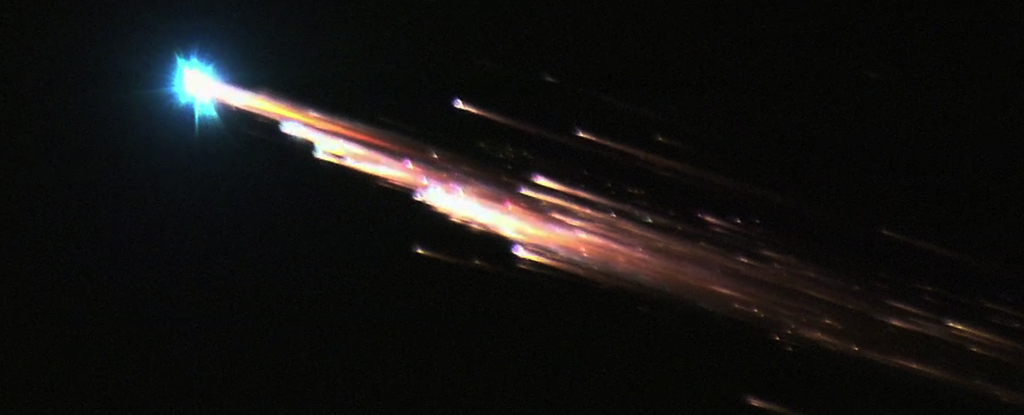
SpaceX plans to dispose of 100 Starlink satellites due to a design flaw, raising concerns about the environmental impact of satellite disposal in the Earth's atmosphere. Atmospheric scientists worry about potential ozone-depleting metals from spacecraft in the stratosphere and the impact on Earth's upper atmosphere. While satellite operators must prove low human-hit rates for re-entry, concerns remain about the environmental effects. Research is ongoing to understand the impact of spacecraft particles on the ozone layer and climate, highlighting the need for rigorous and focused scientific evidence to inform decisions.

"Burning Satellites: Impact on Climate and Ozone Layer"
science-and-technology2 years ago

"Burning Satellites: Impact on Climate and Ozone Layer"

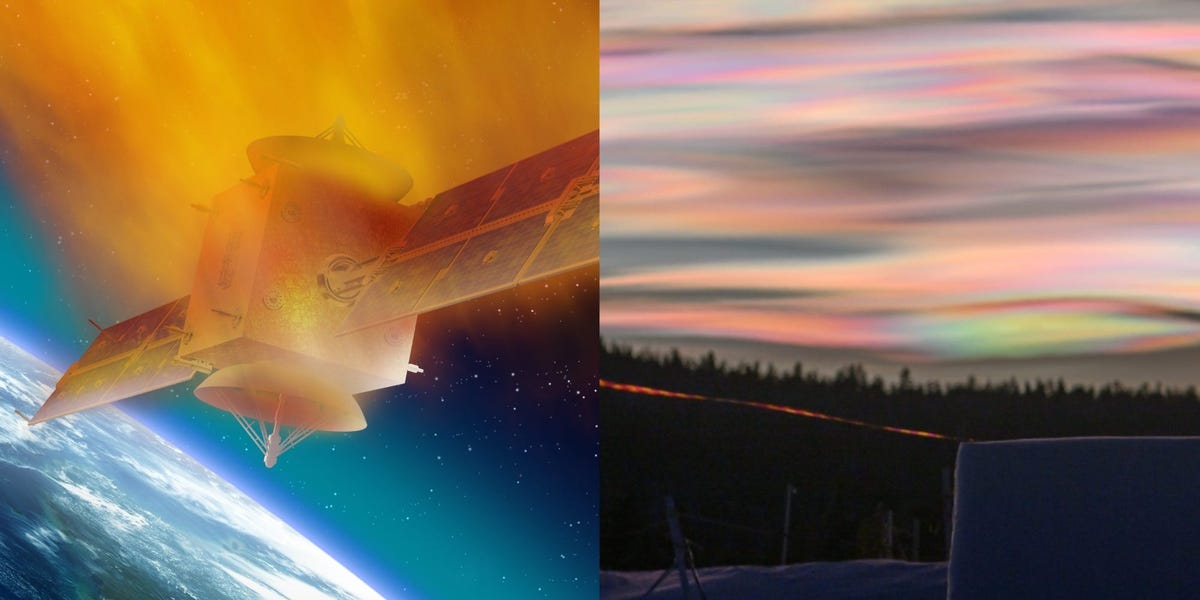
Satellites and spacecraft burning up in the atmosphere are leaving metal particles in the stratosphere, raising concerns about potential impacts on climate and the ozone layer. These particles could seed polar stratospheric clouds, potentially damaging the ozone layer. Scientists are worried about the implications of these particles, which could also affect cloud formation and climate. With the aerospace industry rapidly growing, understanding the effects of these particles is becoming increasingly urgent.

"Supernova Blast Unleashes Ozone Layer Catastrophe, Scientists Discover"
astronomy3 years ago

"Supernova Blast Unleashes Ozone Layer Catastrophe, Scientists Discover"

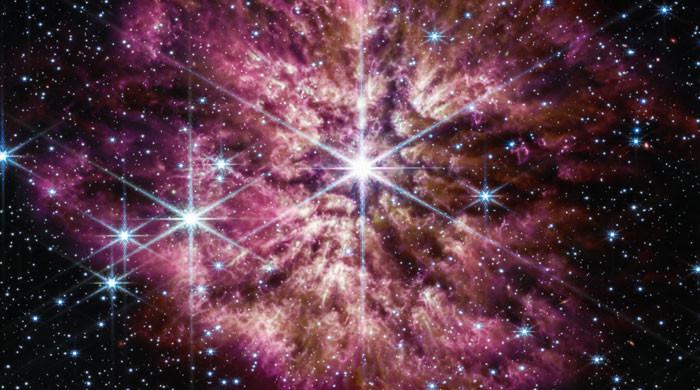
Scientists have discovered that a distant supernova explosion, known as GRB 221009A, temporarily destroyed a portion of Earth's ozone layer in 2022. The explosion, captured by the James Webb Space Telescope, caused a measurable alteration in the Earth's upper atmosphere, including a depletion of ozone molecules that absorb harmful solar radiation. While the ozone layer quickly repaired itself, the findings highlight the potential risk of closer cosmic bursts jeopardizing Earth's protective barrier. Astronomers emphasize the rarity of such events causing significant atmospheric disturbances and consider the distant explosion more of a scientific curiosity than a threat.

New Study Challenges Optimistic Claims of Ozone Hole Recovery
environment3 years ago

New Study Challenges Optimistic Claims of Ozone Hole Recovery

A new study published in Nature Communications challenges the widely accepted belief that the ozone layer is recovering. The study suggests that the ozone hole above Antarctica may not be shrinking as expected and may even be expanding. The researchers found that ozone levels have decreased by 26% since 2004 at the core of the hole during the Antarctic spring. They attribute this depletion to changes in the Antarctic polar vortex, although they did not explore the specific causes. Some scientists are skeptical of the study's findings, pointing to other factors such as smoke from wildfires and volcanic eruptions, as well as the influence of the El Niño Southern Oscillation.

Unveiling the Truth: The Ozone Hole's Recovery Questioned
environment3 years ago

Unveiling the Truth: The Ozone Hole's Recovery Questioned

A new study published in Nature Communications challenges the widely accepted belief that the ozone layer is recovering. The study suggests that the ozone hole above Antarctica may not be shrinking as expected and may even be expanding. The researchers found that ozone levels have reduced by 26% since 2004 at the core of the hole during Antarctic spring. They attribute this to changes in the Antarctic polar vortex, although other factors such as planet-warming pollution and volcanic eruptions could also contribute. Some scientists are skeptical of the study's findings, citing exceptional events and a short period of analysis.