
Beijing Revives Middle East Diplomacy with Iran and Oman Amid US-Iran War
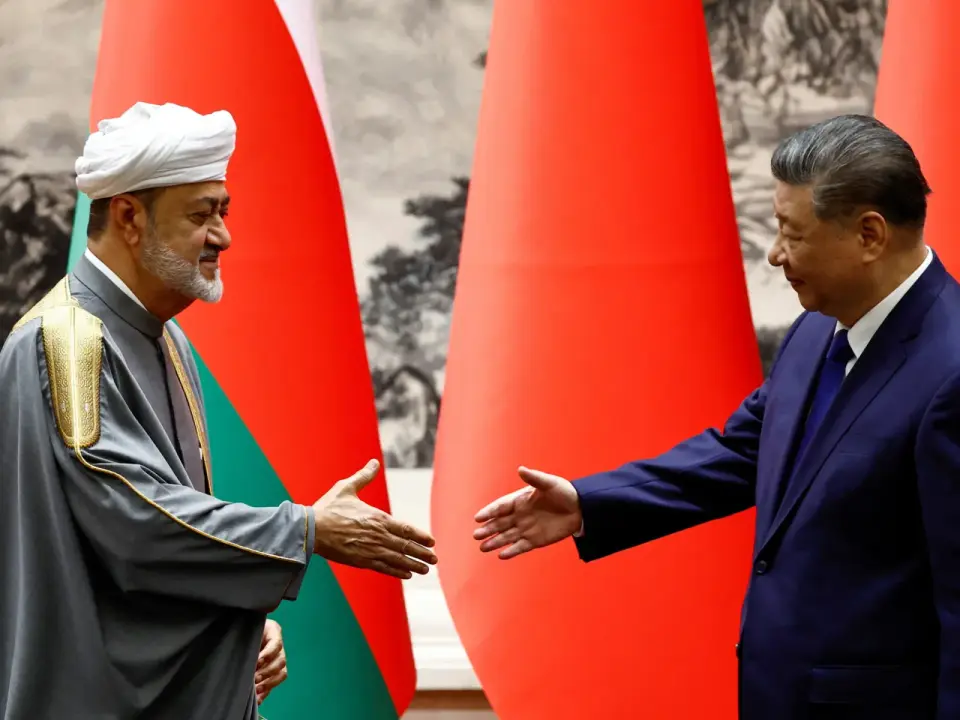
China has resumed high-level diplomatic engagement in the Middle East after a period of inactivity, hosting talks with Iran and Oman to address the ongoing US-Israel war on Iran. Beijing aims to secure energy routes and promote dialogue, while Tehran reaffirms its refusal to compromise on national security.
Key points
- Chinese Foreign Minister Wang Yi met with Ali Bagheri Kani, deputy secretary of Iran’s Supreme National Security Council, in Beijing on Monday.
- Wang stated that dialogue is the 'only viable path forward' and reaffirmed support for Iran’s sovereignty, blaming the US and Israel for the conflict.
- President Xi Jinping hosted Oman’s Sultan Haitham bin Tariq for the first state visit since diplomatic ties began in 1978.
- China and Oman signed 14 cooperation documents, including a currency swap agreement, and issued a joint statement urging safe navigation through the Strait of Hormuz.
- Special envoy Zhai Jun is scheduled to visit Iran, Oman, and Saudi Arabia this month to further diplomatic efforts.
Background
China’s recent diplomatic push follows a period of stalled activity regarding the US-Iran conflict. The region is currently tense due to the ongoing war, which has restricted traffic through the Strait of Hormuz, a critical route for global energy exports. Beijing, a major energy importer, is seeking to stabilize the region and secure supply chains. Previous archive coverage notes that US President Donald Trump is weighing renewed military strikes against Iran following midterm elections, while Israeli Prime Minister Benjamin Netanyahu faces a coalition crisis. Iran has previously indicated it is ready for both diplomacy and defense, depending on US actions.
How outlets are covering it
Al Jazeera highlights China’s growing frustration with the lack of progress in ending the war and frames the meetings as an attempt to re-enter the diplomatic process. The outlet notes that Oman is strategically important because many of its ports are outside the Strait of Hormuz, offering alternative energy routes. The Washington Post emphasizes the timing of Beijing’s diplomatic flurry, linking it to the threat of renewed US attacks on Iran following Tuesday’s midterm elections. Tasnim, an Iranian outlet, focuses on the hardline stance of Iranian officials, with Bagheri Kani stating that Iran will not compromise on national security and labeling US and Israeli actions as war crimes. The Iranian perspective contrasts with Beijing’s emphasis on dialogue, though both sides agree on the need for stability.
Why it matters
China’s renewed diplomatic activity signals a shift in its approach to the Middle East conflict, potentially influencing the post-midterm US policy landscape. The cooperation with Oman, a key player in the Strait of Hormuz, could help secure energy supplies for Beijing and provide alternative routes for global trade. The joint statements and signed agreements indicate a deeper strategic alignment between China and Gulf states, aiming to counter US and Israeli influence and promote regional stability.
What to watch
Special envoy Zhai Jun is expected to visit Iran, Oman, and Saudi Arabia this month to continue diplomatic efforts. The outcome of these talks may depend on US decisions regarding military action against Iran following the midterm elections. Iran’s refusal to compromise on national security suggests that negotiations may remain difficult, but China’s active role could provide a platform for dialogue. The situation in the Middle East will likely remain volatile, with potential for renewed conflict or diplomatic breakthroughs depending on US and Israeli actions.
- China steps up Middle East diplomacy with Iran and Oman meetings Al Jazeera
- Beijing launches diplomatic flurry amid threat of renewed U.S. war with Iran The Washington Post
- China's Wang urges Middle East dialogue in meetings with Iranian, Saudi officials Reuters
- Iran Won’t Compromise on National Security, Official Says تسنیم
- Talks are the only way out, China tells Iran as US threat hangs over Mideast South China Morning Post
Want the full story? Read the original reporting
Read on Al Jazeera