
France Accuses Iran of Sabotaging 700 Supermarkets, Seeks EU Sanctions
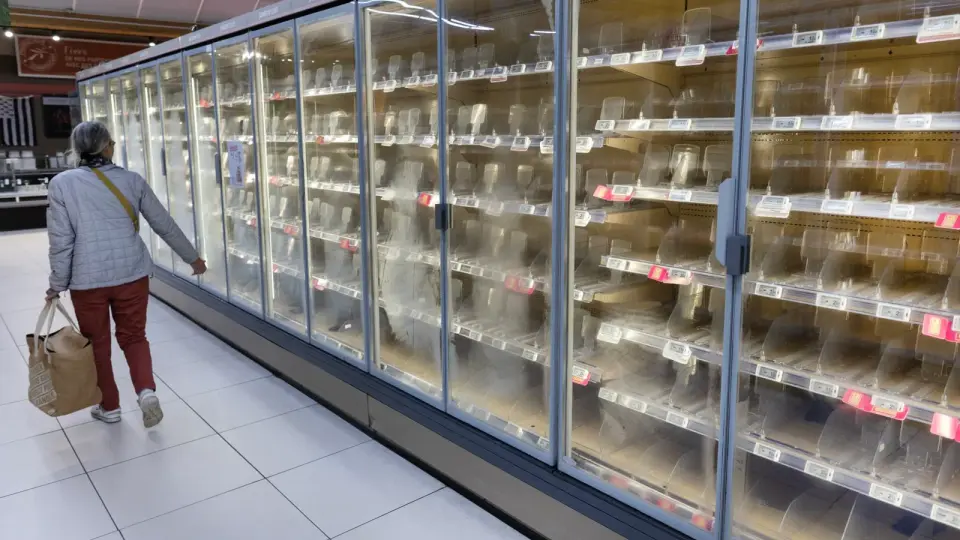
France has formally attributed a massive October cyberattack on supermarket refrigeration systems to Shahid Kaveh, a cyber unit linked to Iran’s Revolutionary Guard. The incident, which affected roughly 700 retail sites and caused tens of millions of euros in damage, has prompted Paris to summon the Iranian ambassador and propose new European sanctions. While French officials describe the event as an unprecedented act of sabotage, cybersecurity experts note the attack relied on relatively basic methods, such as default passwords, highlighting broader vulnerabilities in industrial internet-connected devices.
Key points
- France’s Foreign Minister Jean-Noël Barrot stated the government is considering bans on entry to European territory and asset freezes for those responsible for the October cyberattacks.
- The attacks targeted Danfoss and Dixell refrigeration controllers, causing temperatures to rise by up to 50 degrees Celsius, which spoiled food and sparked fires in at least 15 locations.
- Paris prosecutors have requested international arrest warrants for the head of the alleged hacking unit, its deputies, and other identified individuals.
- Similar refrigeration attacks have since been reported in Belgium, Luxembourg, the Netherlands, Finland, Ireland, and Sweden, as well as at French blood banks.
- Cybersecurity firms describe the attack as technically unsophisticated, relying on default passwords and public web interfaces, but warn that AI-enabled attacks could make such vulnerabilities more dangerous in the future.
Background
This incident follows a pattern of cyberattribution by France against Iranian actors, including previous campaigns targeting Charlie Hebdo and the Paris Olympics. In March 2026, France already imposed sanctions on the private Iranian company Emennet Pasargad for related cyber activities. The current event marks the first time France has labeled a cyber operation as purely for sabotage on national territory, distinguishing it from prior espionage or disinformation campaigns.
How outlets are covering it
CNBC emphasizes the diplomatic and legal response, highlighting the French government’s intent to impose EU-wide sanctions and the prosecutor’s request for international arrest warrants. The Guardian focuses on the geopolitical motivation, noting that Iran often uses cyberattacks to signal political displeasure, and contrasts the simplicity of this attack with the rising threat of AI-enabled cyber operations. The Hacker News provides technical detail, confirming the use of specific tools like FOFA and the targeting of Schneider Electric equipment, while also offering mitigation advice for operators. All sources agree on the attribution to Shahid Kaveh but differ in emphasis: CNBC on policy, The Guardian on strategic intent, and The Hacker News on technical execution.
Why it matters
The incident exposes critical vulnerabilities in industrial control systems connected to the internet, raising concerns about the safety of food supply chains and medical infrastructure across Europe. It also signals a potential escalation in state-sponsored cyber sabotage, prompting European nations to reconsider cybersecurity standards for legacy hardware and potentially leading to broader sanctions against Iranian entities.
What to watch
France is expected to finalize its proposal for new European sanctions against Iranian individuals and organizations involved in the attack. European retailers and industrial operators are urged to remove internet exposure from refrigeration controllers and update firmware to mitigate further risks. The Paris prosecutor’s office will continue its judicial investigation, potentially leading to international legal proceedings if suspects are identified.
- France blames Iran for supermarket refrigerator cyberattacks, weighs sanctions CNBC
- France summons Iran envoy over supermarket fridge hack, warns of response Reuters
- The French fridge hacks were relatively unsophisticated. An AI-enabled attack would raise the stakes The Guardian
- Perhaps Connecting Fridges to the Internet Was a Bad Idea The Atlantic
- France Blames Iran for Sabotage Attack on Refrigeration Controllers at About 700 Retail Sites The Hacker News
Want the full story? Read the original reporting
Read on CNBC