
Gulf states minimize damage from 135 Iranian strikes, Reuters investigation finds
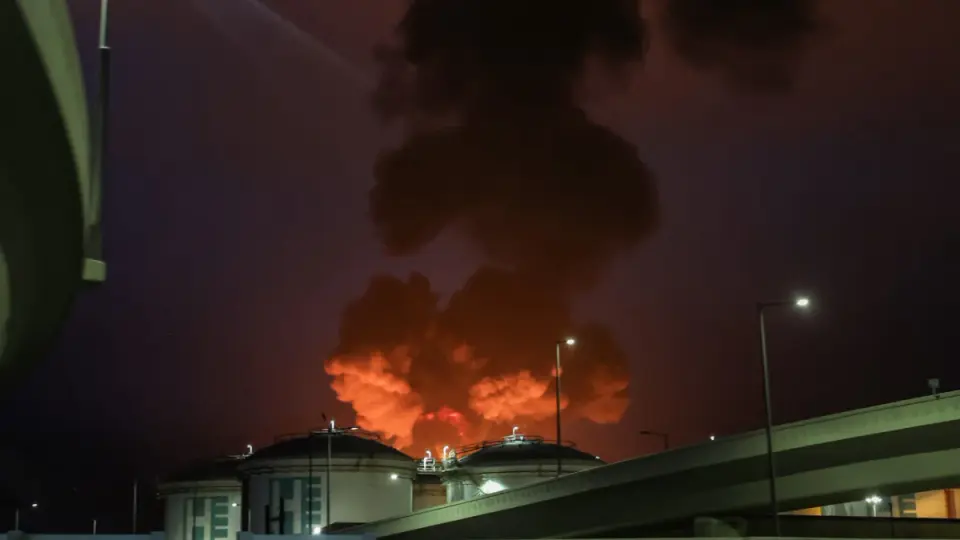
A Reuters investigation reveals that Gulf monarchies have systematically downplayed the extent of damage caused by over 135 Iranian and Houthi strikes since February 2026. While official statements attributed damage to falling debris, satellite imagery and expert analysis indicate sophisticated targeting of critical energy and port infrastructure. Key facilities in the UAE, Qatar, and Saudi Arabia suffered severe, long-term damage, disrupting global energy flows and challenging the region's economic stability.
Key points
- Reuters reports that Iran and its allies launched at least 135 strikes on 84 infrastructure sites across the Gulf since the war began on February 28, 2026.
- Gulf governments issued at least 34 official statements claiming damage was caused by debris from intercepted missiles, a narrative contradicted by 14 industry experts and satellite data.
- The UAE's Fujairah port was hit 19 times, with critical pipeline systems damaged; refined petroleum exports did not fully recover until September 2026.
- Qatar's Ras Laffan LNG facility suffered strikes on cooling modules that take months to build, putting nearly 20% of global LNG flows at risk; full restoration could take three to five years.
- Saudi Arabia's Aramco headquarters in Dhahran suffered 'extensive damage' to its top three floors, contradicting the energy ministry's claim of a 'limited fire'.
Background
This development follows a series of escalating strikes since February 2026, including earlier reports of severe damage to US bases in the Gulf and permanent data loss in AWS data centers in Bahrain and the UAE. The current conflict has already disrupted global energy markets, with Brent crude prices approaching $120 per barrel in the spring of 2026.
How outlets are covering it
Reuters and Middle East Eye emphasize the discrepancy between official Gulf narratives and physical evidence, highlighting 'sophisticated targeting' by Iran. Hindustan Times frames the strikes as a blow to the 'economic boom' and modernization ambitions of the UAE and Saudi Arabia, criticizing the Gulf states' reluctance to retaliate. UA.NEWS focuses on the scale of the damage, noting that at least four major facilities will require over a year for full restoration. All sources agree that the Gulf states have minimized the impact, but they differ in emphasis: Reuters and MEE focus on the technical precision of the strikes, while Hindustan Times highlights the geopolitical and economic consequences for the region's stability.
Why it matters
The underreporting of damage by Gulf states undermines transparency in global energy markets and may mislead investors and policymakers about the resilience of critical infrastructure. The prolonged disruption to LNG and oil exports could have lasting effects on global energy prices and supply chains, while the failure to retaliate may embolden further attacks by Iran and its proxies.
What to watch
Full restoration of key facilities like Ras Laffan and Fujairah may take until 2027 or later. The Gulf states may face increased pressure to disclose the true extent of damage and to reconsider their defensive strategies. Global energy markets may remain volatile as the region struggles to recover from the sustained attacks.
- Gulf states have downplayed damage caused by Iranian strikes: Report Middle East Eye
- Iran’s precision strikes picked apart Gulf infrastructure, blunting US war plans Reuters
- Iran’s strikes on Persian Gulf water and power were deliberate - Reuters Iran International
- West Asia, Ukraine conflicts drag on; global turmoil leaves no room for political experiments Hindustan Times
- Reuters: Iran and allies attacked at least 84 sites in the Gulf — The Express Tribune UA.NEWS
Want the full story? Read the original reporting
Read on Middle East Eye