
UAE Halts All Trade with Iran After Missile Incident
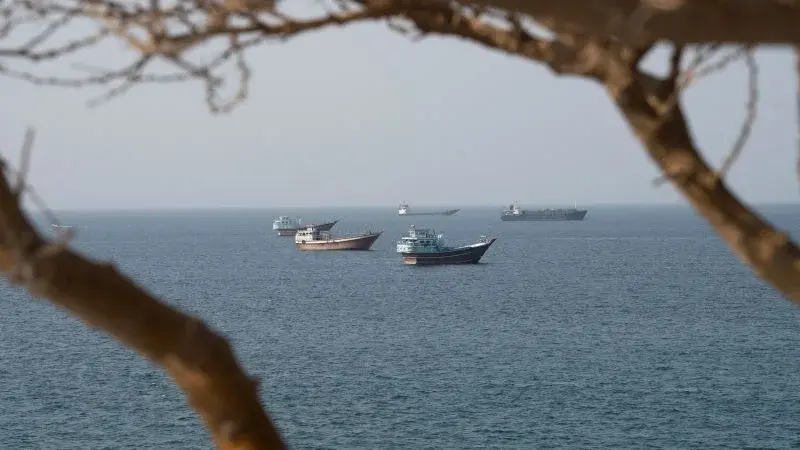
The United Arab Emirates has suspended all trade and financial transactions with Iran following an incident involving two ballistic missiles. The move isolates Tehran economically as US-Iran negotiations stall and regional tensions escalate.
Key points
- The UAE Foreign Ministry announced the suspension of all commercial exchanges and financial transactions with Iran 'until further notice' on Tuesday.
- The decision followed the UAE's claim that two ballistic missiles targeting maritime navigation were fired from Iran, with one falling inside UAE territorial waters.
- Iran denied firing the missiles, calling the UAE's claims 'unfounded.'
- The UAE is Iran's second-largest trading partner, behind only China, making the suspension a significant economic blow to Tehran.
- The move aligns with broader US efforts to isolate Iran, as President Trump has indicated plans for increased economic pressure.
Background
The UAE and Iran have maintained close economic ties for decades, despite political tensions. The UAE has served as a key trading hub for Iran, facilitating commerce even as US sanctions tightened. Recent conflicts, including the US-Israeli war on Iran in February 2026, have led to Iranian retaliatory strikes against US allies in the region, with the UAE being the most targeted. The current suspension follows a period of stalled peace talks and a collapsed framework agreement between the US and Iran.
How outlets are covering it
CNN and The New York Times both report on the UAE's suspension of trade with Iran, citing the missile incident as the primary trigger. CNN emphasizes the broader context of US-Iran tensions and the role of Oman as a mediator, while The New York Times focuses on the economic implications and the UAE's role in helping Iran evade international sanctions. Both outlets note the UAE's status as a major trading partner for Iran, highlighting the potential impact of the suspension on Iran's economy. The sources agree on the factual details of the missile incident and the UAE's official statement but differ in their emphasis on the geopolitical and economic consequences.
Why it matters
The UAE's decision to halt trade with Iran marks a significant escalation in regional tensions and could have far-reaching economic implications for both countries. As Iran's second-largest trading partner, the UAE's suspension of trade could exacerbate economic difficulties in Iran, which is already facing shortages and price increases due to US maritime blockades. The move also signals a shift in the UAE's foreign policy, aligning more closely with US efforts to isolate Iran and potentially affecting regional stability in the Gulf. The incident underscores the fragility of peace talks and the risk of further military escalation in the region.
What to watch
The immediate next step is to monitor whether the UAE's trade suspension will lead to further economic pressure on Iran or trigger a retaliatory response from Tehran. The status of US-Iran negotiations remains critical, as stalled talks could lead to further military escalation or a resumption of diplomatic efforts. The role of Oman as a mediator in resolving the Strait of Hormuz dispute will also be crucial in determining the future of regional stability. Additionally, the impact of the trade suspension on global oil markets and energy prices will be closely watched, given the UAE's importance in the global energy sector.
- Live updates: UAE halts trade with Iran after accusing Tehran of firing ballistic missiles CNN
- U.A.E. Halts Trade Ties With Iran and Says It Was Targeted With Missiles The New York Times
- World in Brief: Governments’ borrowing costs jump; Iran fires missiles at the UAE The Economist
- UAE Says Iran Fired Two Missiles at Country as War Drags On Bloomberg.com
- Iran and UAE ties sour, and other major developments in the Middle East WRAL
Want the full story? Read the original reporting
Read on CNN