
Iran Compresses Hormuz Reopening Plan to Two Days Amid Diplomatic Push
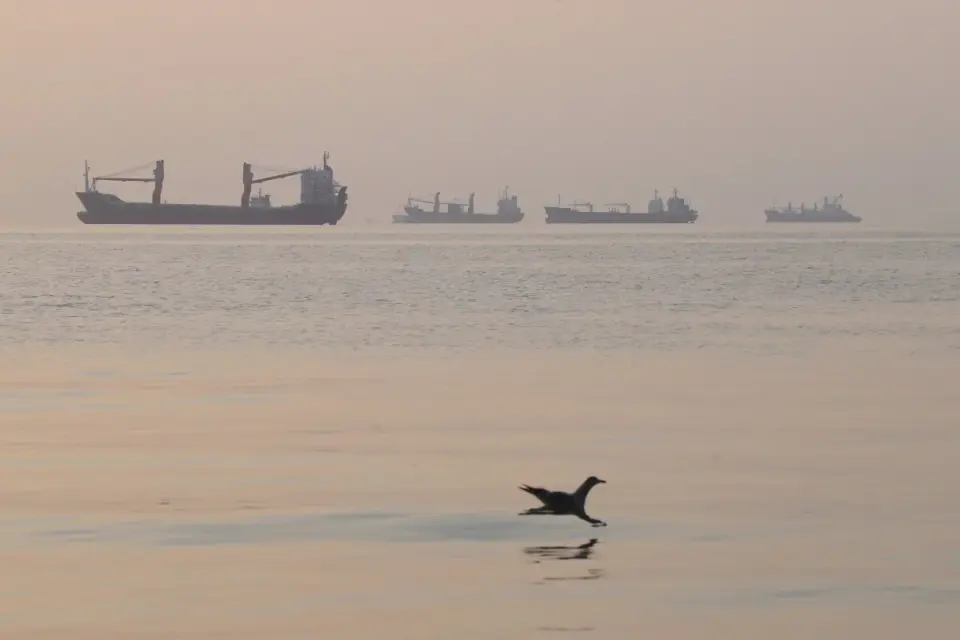
Iran announced on Monday it can reopen the Strait of Hormuz within two days if the United States meets its conditions, shortening a previous seven-day proposal. Tehran demands the lifting of sanctions, a naval blockade, and a ceasefire. While China and Qatar push for de-escalation, Trump threatens further strikes, and Yemen faces a new displacement crisis.
Key points
- Iran reduced its timeline for reopening the Strait of Hormuz from seven days to two days, contingent on US acceptance of its demands.
- Tehran’s conditions include lifting the US naval blockade, unfreezing assets, removing oil sanctions, and agreeing to a ceasefire that includes Lebanon.
- China is sending a special envoy to Iran, Oman, and Saudi Arabia to promote a political solution, while Qatar and Egypt coordinate on de-escalation.
- The UN reported over 300,000 people have fled renewed fighting in Yemen, breaking a four-year truce between Houthi rebels and Saudi-backed forces.
- Trump stated the US has not finished its military campaign against Iran but may allow talks to continue, while warning of potential strikes before US midterm elections.
Background
In September 2026, Iran proposed a seven-day plan to reopen the Strait of Hormuz, mediated by Qatar, which Trump rejected as financially motivated. The current two-day proposal accelerates this timeline but retains similar core demands, including the lifting of sanctions and a ceasefire. This follows a June memorandum of understanding that collapsed in July, with ongoing tensions exacerbated by US naval blockades and Iranian control of the waterway since late February.
How outlets are covering it
AP News and Euronews emphasize Iran’s compressed two-day timeline and its conditions, including a new transit route agreed with Oman. Al Jazeera highlights China’s diplomatic push, with Foreign Minister Wang Yi urging a political solution, and Qatar’s coordination with Egypt on de-escalation. Iran International focuses on Trump’s mixed signals, noting his claim that the US has been 'nice' to Iran to allow talks, while also warning of potential strikes. All sources agree on the urgency of the situation but differ in emphasis: AP and Euronews focus on the diplomatic mechanics, Al Jazeera on international mediation, and Iran International on US rhetoric and military threats.
Why it matters
The Strait of Hormuz is a critical global oil chokepoint; its reopening or continued closure directly impacts energy markets and regional stability. The two-day plan signals a potential shift in US-Iran dynamics, but unresolved demands and Trump’s threats of strikes create uncertainty. The Yemen crisis and China’s diplomatic push highlight the broader regional instability, with humanitarian and geopolitical consequences extending beyond the immediate conflict.
What to watch
The US response to Iran’s two-day plan is critical; acceptance could lead to rapid reopening of the strait, while rejection may trigger renewed military action. China’s envoy visit and Qatar’s mediation efforts will test the viability of a political solution. In Yemen, aid groups face limited access as displaced populations grow, and Trump’s pre-election rhetoric may influence whether the US pursues diplomacy or strikes before mid-November.
- Iran has a 2-day plan to reopen Strait, resume nuclear talks with US, and other Mideast news AP News
- Iran war live: Tehran says Hormuz ‘security restored’ if US agrees to plan Al Jazeera
- Iranians have left Doha talks, draft proposal for US deal being circulated, official says Reuters
- Live - Iran says ‘ball is in the US court’ as exchange of messages continues Iran International
- Iran says it can reopen Hormuz in two days if US meets conditions Euronews.com
Want the full story? Read the original reporting
Read on AP News