
Iran-Led Axis Rebuilt Into a Global Drone Web
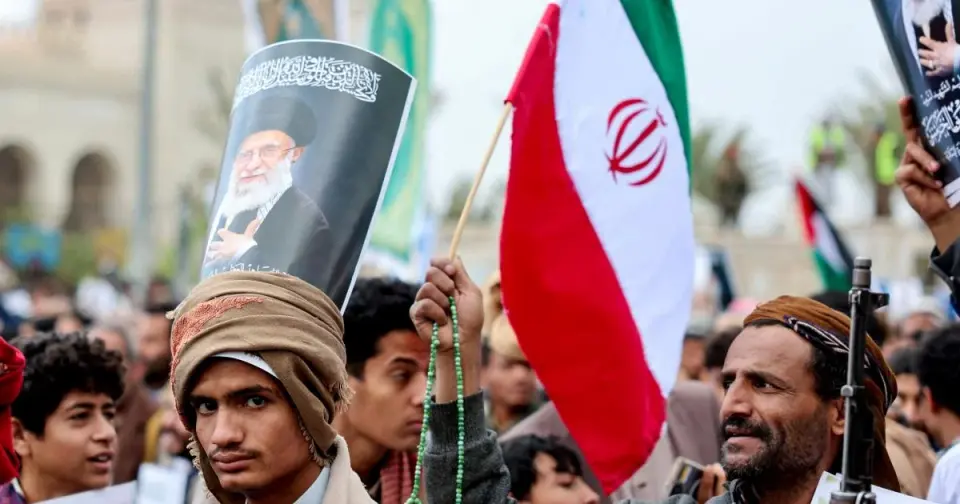
Despite US-Israeli strikes, the axis of resistance has reconstituted itself as a diffuse, self-reproducing web rather than a centralized command. The IRGC now arms and trains Hamas, Hezbollah, Houthis, and Iraqi militias, while proxies increasingly manufacture drones and missiles from global supply chains—often using Chinese parts and shadow shipping networks that dodge sanctions. The result is a resilient network capable of striking Gulf infrastructure and Western targets despite setbacks in Gaza, Syria, and Lebanon. Washington cannot rely on coercive force alone and should pursue a hybrid strategy: disrupt axis commercial and financial networks, seek regional political settlements with established groups, engage in diplomacy with Iran, and push multilateral efforts to track dual-use components. Total victory is unlikely; containment through pressure and diplomacy offers the best path to limit the threat.
- How the Axis of Resistance Recovered Foreign Affairs
- How Iran is widening its pressure campaign to force US concessions Reuters
- Tehran’s New Weapon Is Not a Bomb. It Is an Invoice. Time Magazine
- Iran’s allied militias prove their value in Tehran’s widening war CNN
- As Cease-Fire Teetered, Iran Plotted a Wider War With Aid of Its Proxies The New York Times
Want the full story? Read the original reporting
Read on Foreign Affairs