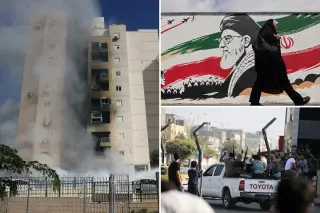
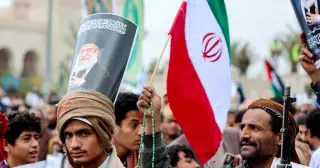
Israeli intelligence reports Iran is planning a new, multi-front Oct. 7–style attack on Israel with its proxies Hamas, Hezbollah and the Houthis, reviving the Axis of Resistance and signaling intensified drone/missile production ahead of a broader campaign.
Despite US-Israeli strikes, the axis of resistance has reconstituted itself as a diffuse, self-reproducing web rather than a centralized command. The IRGC now arms and trains Hamas, Hezbollah, Houthis, and Iraqi militias, while proxies increasingly manufacture drones and missiles from global supply chains—often using Chinese parts and shadow shipping networks that dodge sanctions. The result is a resilient network capable of striking Gulf infrastructure and Western targets despite setbacks in Gaza, Syria, and Lebanon. Washington cannot rely on coercive force alone and should pursue a hybrid strategy: disrupt axis commercial and financial networks, seek regional political settlements with established groups, engage in diplomacy with Iran, and push multilateral efforts to track dual-use components. Total victory is unlikely; containment through pressure and diplomacy offers the best path to limit the threat.
Iran’s allied militias and the Axis of Resistance are regaining influence across the Middle East, boosting Tehran’s leverage as the United States pauses planned strikes after talks, while Washington and its partners face stretched military readiness and economic pressures amid ongoing regional tensions and Gaza-related developments.
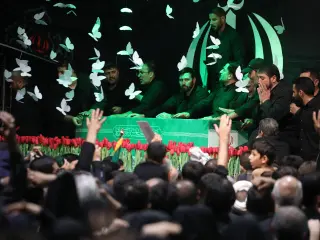
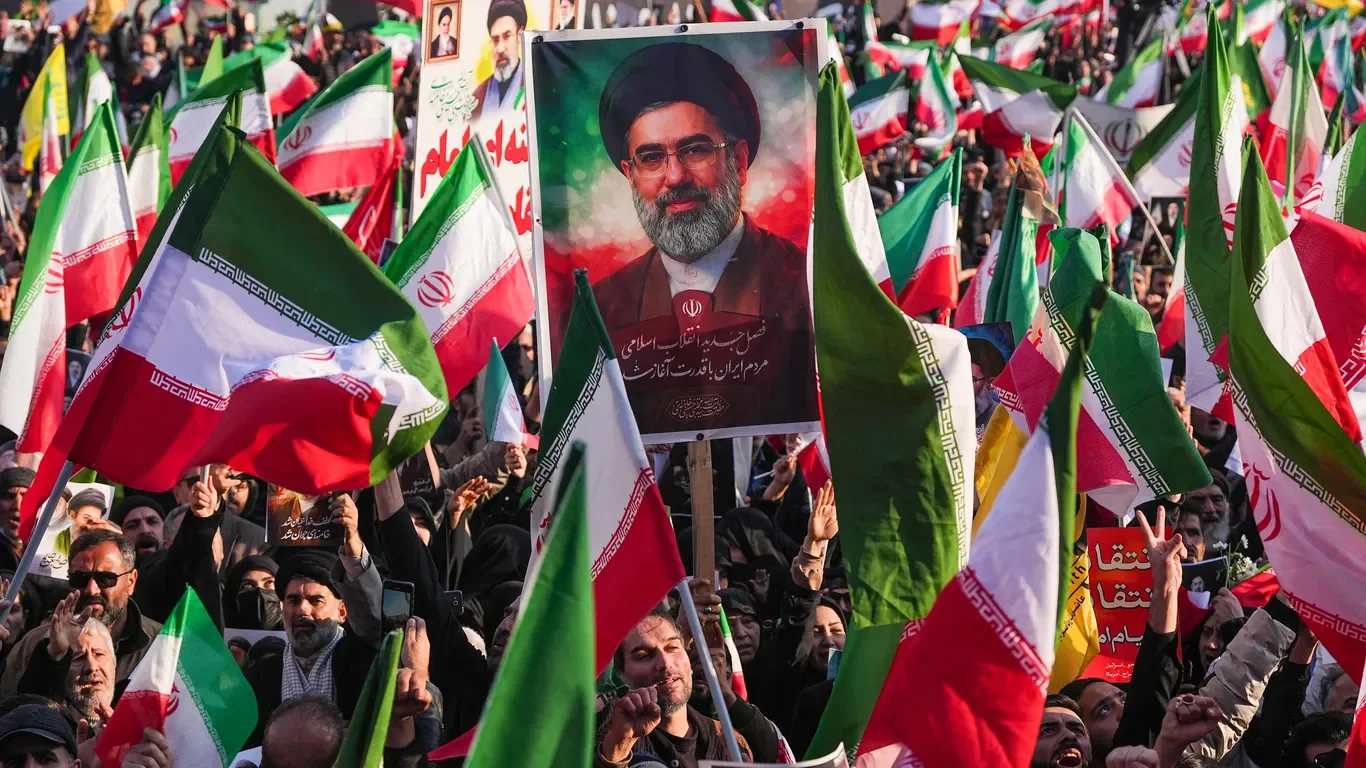
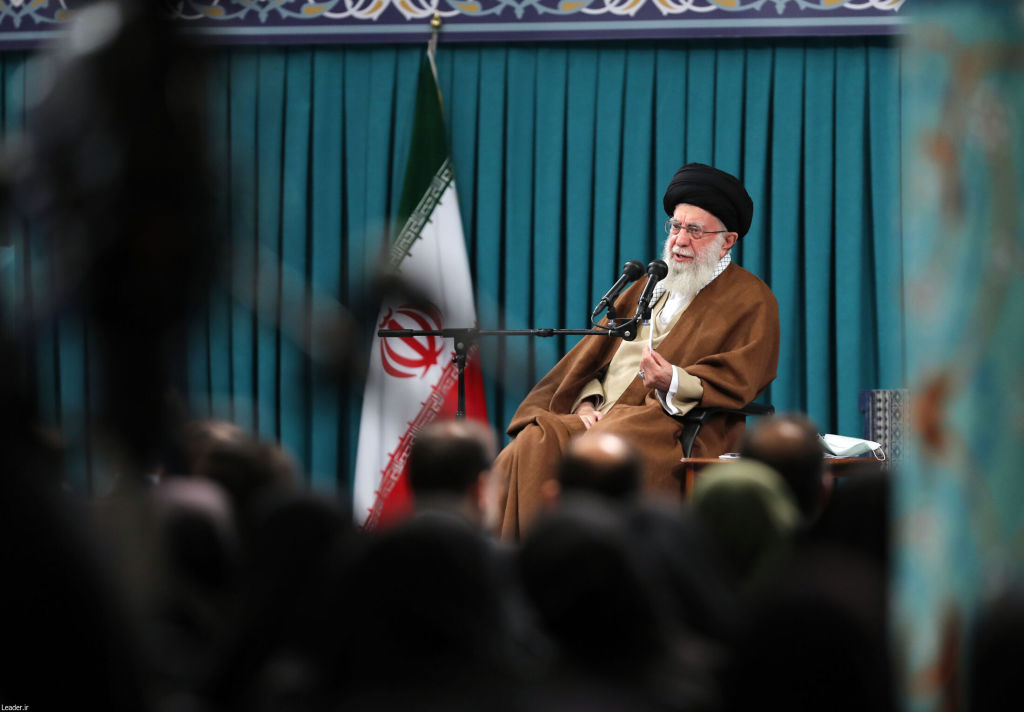
Iran’s week-long funeral for Supreme Leader Ali Khamenei is being used to project a unified pro-government narrative through carefully staged symbolism—martyrdom framing, black-and-red visuals, and slogans like 'Rise for God'—while linking his life to Shia holy sites from Qom to Najaf and Karbala to Mashhad. State ceremonies feature Quranic verses for foreign delegations (Hezbollah, Hamas, Islamic Jihad, Houthis) to bolster the Axis of Resistance and retaliation rhetoric against the US and Israel. The procession, route, and imagery emphasize clerical legitimacy and transnational Shia influence, even as security concerns keep Mojtaba Khamenei largely absent from public view. Overall, officials aim to convey unity, resilience, and regional clout through the funeral narrative.
The Iran Update analyzes leaked text of a US-Iran Memorandum of Understanding that could grant Iran substantial economic relief (potentially up to $300 billion) and enable reconstitution of missile, drone, and nuclear programs, with a 60-day negotiation window and potential staged sanctions relief. The MoU reportedly allows immediate or rapid lifting of sanctions on ports and oil exports, contingent on a final nuclear agreement addressing HEU enrichment, and includes ambiguities about the Strait of Hormuz that Iran could interpret as maintaining control over shipping. Iran portrays the MoU as a victory and a codification of battlefield gains, while warning against Israeli and Lebanese actions; the report also notes ongoing regional dynamics, including Iraqi militia integration efforts and continued tension with Hezbollah and Israel. A correction update revises ISW-CTP’s map of Hezbollah attacks in Lebanon.
ISW-CTP’s Iran Update says Tehran is pressing to frame IRGC‑led control of Hormuz transit as the new norm, a stance the US and the international community should reject; negotiations show no major progress on core issues, with Iran seeking unfrozen assets—likely around $12 billion—to fund military reconstitution and offset sanctions, while hardline IRGC figures resist concessions. Reports also flag alleged Chinese arms transfers to Iran, ongoing U.S. and Israeli air/maritime actions, and Axis of Resistance activity (notably Hezbollah–Israel clashes) as diplomacy remains unresolved.
Iran Update: Tehran is pushing to control Hormuz traffic by offering priority transit to fee-paying, IRGC-compliant vessels and blocking non-Iranian ships, while the US seizes an Iranian-flagged ship and forces several Iranian-linked vessels to change course; talks with Pakistan on Iran strategy are planned, but Iranian sources have not confirmed participation; the 14-day ceasefire among the US, Israel, and Iran expires April 22, raising risk of renewed conflict; Iran’s missile and drone programs remain under pressure but not fully quantified; IRGC Quds Force leader Ghaani reportedly discussed renewed conflict with Iraqi militias; in Lebanon, Israel continues operations against Hezbollah under a fragile ceasefire, with casualties; the US Navy is clearing mines to restore the Hormuz transit route.
ISW-CTP's March 16 update says Mojtaba Khamenei remains surrounded by long-time IRGC hardliners, likely pushing harder anti-Western policies and tightening internal information control. US-Israeli air campaigns are reaching deep inside Iran, striking drone facilities and defense-industrial sites, while Tehran responds with missiles and drones against Israel and Gulf states. The fight has spread to Iraqi militias and Hezbollah, with Israel conducting operations in Lebanon; Iran's ability to retaliate is being constrained by ongoing strikes on air defenses and security forces, and the regime seeks to pressure the US and Gulf states as domestic securitization intensifies.
Iran's new supreme leader Mojtaba Khamenei pledges revenge for U.S. and Israeli attacks, promising continued strikes on U.S. bases, potential closure of the Strait of Hormuz, and new fronts with Iran's axis of resistance backed by proxies like Hezbollah, Iraqi militias, and the Houthis; he pressures Gulf states to close U.S. bases and warns of compensation or asset seizures if Washington and Tel Aviv refuse, with the Houthis possibly joining the war and the leader having not appeared publicly since the early attacks.
Iran faces a strategic setback with the fall of Syrian President Bashar al-Assad, a key ally in its "Axis of Resistance" against Israel. This collapse, coupled with recent military confrontations with Israel and domestic challenges, leaves Iran re-evaluating its regional strategy and nuclear ambitions. As Donald Trump prepares to re-enter the U.S. presidency, Iran must decide between hardline resistance or renewed negotiations with the West, while managing internal dissent and economic pressures.
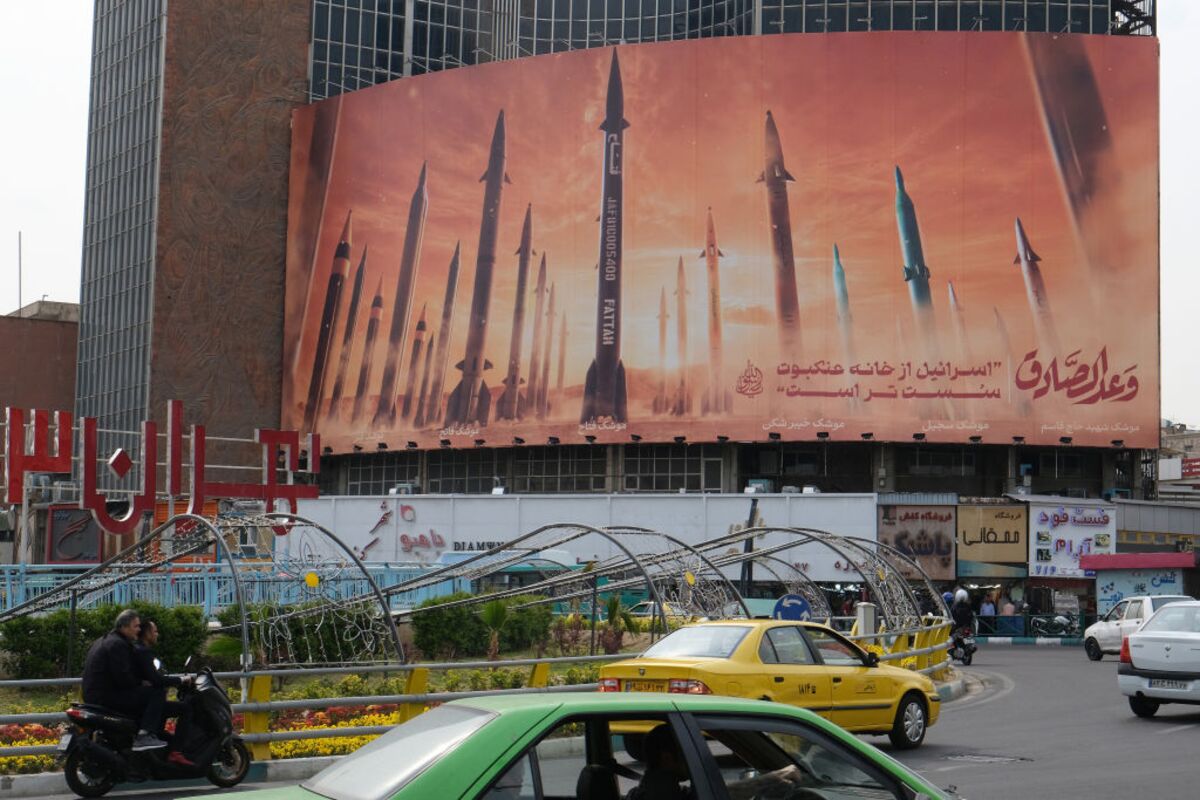
After an airstrike in Damascus killed high-ranking Iranian military leaders and a Syrian family, Iran launched its first direct assault on Israel, citing the attack as the reason for the missile-and-drone barrage. The strike targeted Iranian military leaders responsible for conducting proxy operations in Syria and Lebanon, and while Israel did not confirm or deny the strike, it has heightened tensions in the ongoing conflict between the two nations.
The war in Gaza has united various Shiite-led groups and regimes in Iran, Iraq, Lebanon, Syria, and Yemen with the predominantly Sunni Hamas, defying traditional sectarian divisions in the Middle East. This unity has been fueled by the special place that Palestinian liberation holds among both Sunni and Shiite Muslims, as well as regional shifts and the Palestinian issue's role as a common rallying point across the Muslim world. The conflict has also highlighted the unintended consequences of Western and Israeli interventions, leading to a pan-Islamic front that poses a strategic challenge to U.S. influence in the region. The article also delves into the historical and geopolitical factors that have shaped the current dynamics in the Middle East, emphasizing the need for a broad-based and just solution to the Palestinian question to achieve lasting peace in the region.
The Biden Administration's approach to Iran's support for various Shia militant groups in the Middle East as mere proxies fails to recognize their autonomy and local legitimacy, leading to a flawed strategy. These groups, including Hezbollah, Hamas, the Houthis, and PMF, have evolved into quasi-state actors with deep roots in their respective countries, and their actions are not solely directed by Iran. Targeting them only strengthens their resistance credentials and worsens the political and security conditions that gave rise to them. Instead of pressuring Iran to rein in its "proxies," the U.S. should reconsider its strategy and address the broader regional dynamics, including reining in Israel, to prevent further escalation.
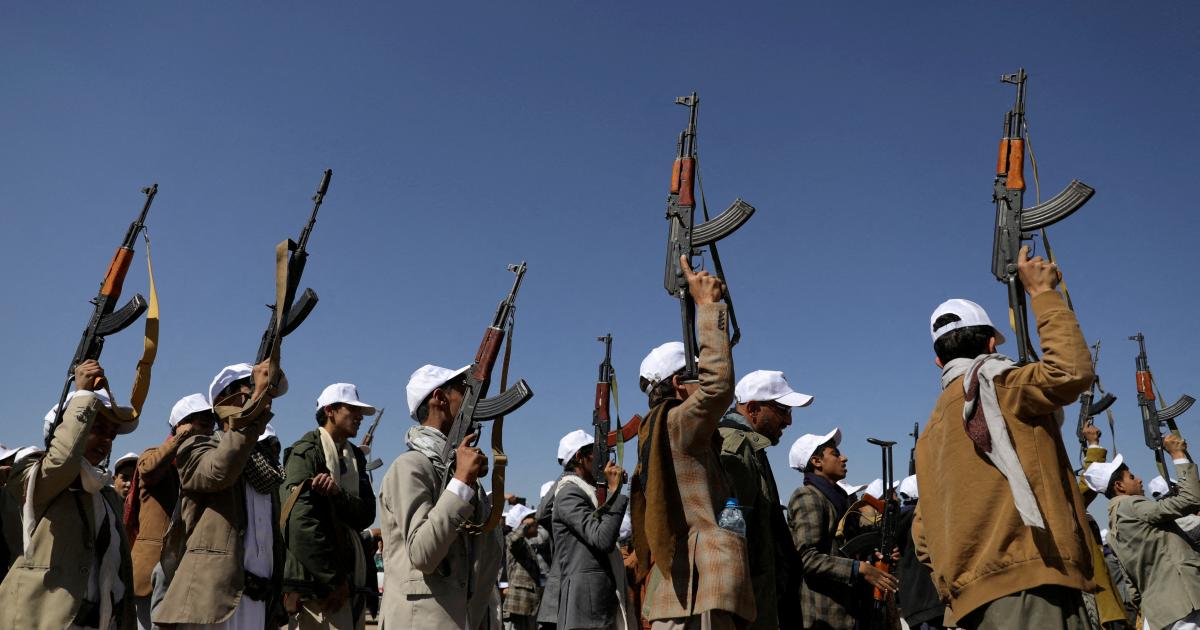
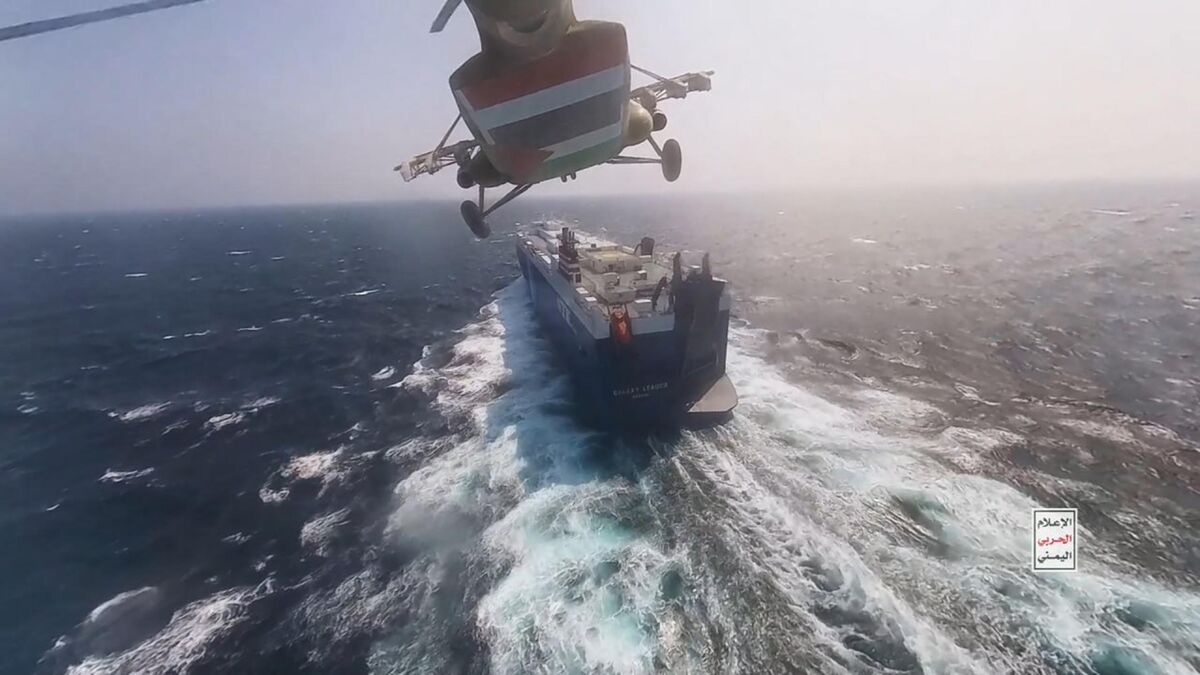
Airstrikes in Yemen have escalated tensions between the US and its allies and the Iran-backed Houthi movement, which has been emboldened by its coordination with other groups in Iran's "axis of resistance." This confrontation reflects Iran's long-term strategy to challenge US and Israeli influence in the region.
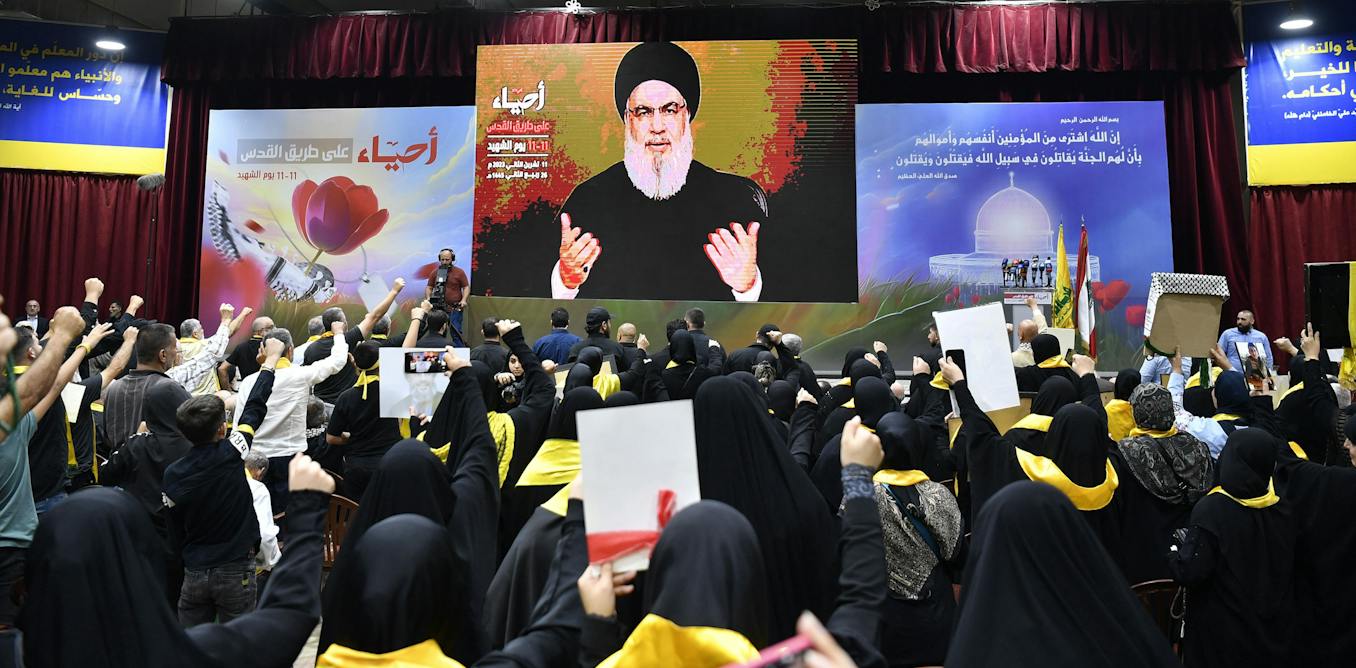
While the world's attention has been focused on the conflict between Israel and Hamas in Gaza, there has been a second front opened by Hezbollah in south Lebanon. Hezbollah, funded by Iran, has been engaging in daily clashes with the Israel Defense Forces (IDF) and has lost over 100 fighters since October 7. Hezbollah and Hamas are believed to collaborate as part of the broader "axis of resistance," which includes other groups in Syria, Iraq, and Iran. The IDF has been using disproportionate force in Gaza as part of its strategy, and clashes between the IDF and Hezbollah have mainly taken place inside Israel. Hezbollah's acquisition of high-precision guided missiles poses a threat to Israel's Iron Dome defense system. The group's strategy includes dividing the IDF's focus and putting pressure on the US to pressure Israel for a ceasefire.