
Iran Leverages Hormuz Chokepoint Amid US Midterms and Regional Diplomatic Push
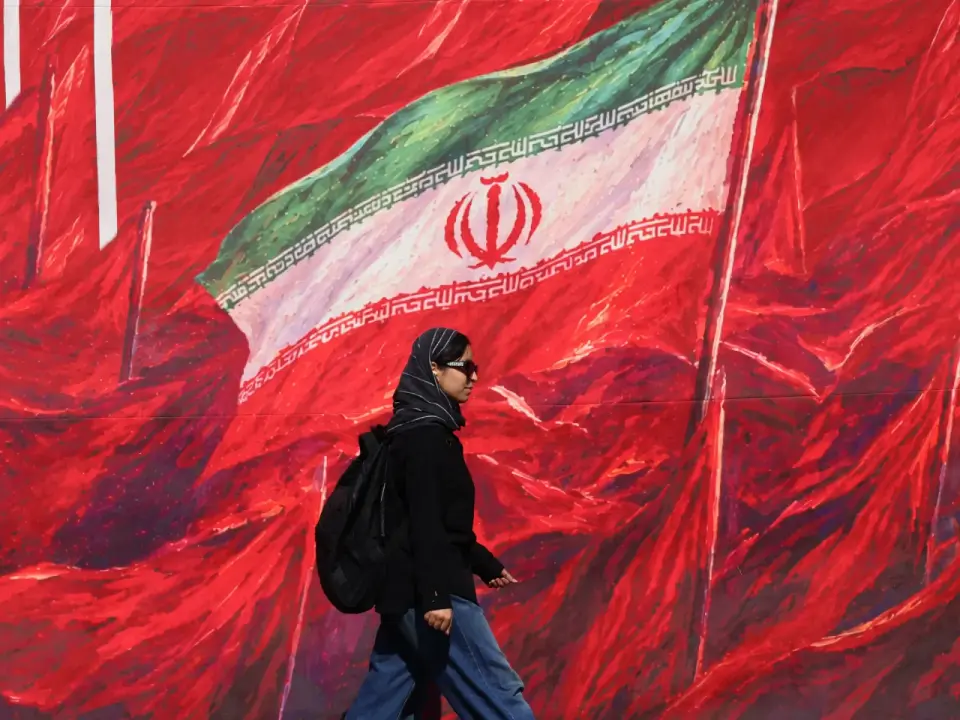
Tehran is refusing to concede on its red lines as the US-Israeli war enters its ninth month, leveraging its control of the Strait of Hormuz to pressure Washington ahead of the November 3 US midterms. While regional mediators including Saudi Arabia, Pakistan, and Turkey push for a permanent ceasefire, Iran insists on sanctions relief and an end to the naval blockade before resuming normal shipping. The conflict has driven Brent crude above $117, with Iran exploiting economic pressure to force durable guarantees against future attacks rather than accepting temporary pauses.
Key points
- Iran demands sanctions relief, unfreezing of assets, and an end to the US naval blockade as preconditions for reopening the Strait of Hormuz and resuming peace talks.
- US President Donald Trump has delayed potential strikes until after the November 3 midterms, with 34% approval ratings for his handling of the conflict and gasoline prices averaging $3.47 per gallon.
- Regional powers including Saudi Arabia, Pakistan, and Turkey met with Iranian officials in Tehran to discuss a permanent ceasefire, while China announced it would send an envoy to the region to help prevent escalation.
- Iran’s security chief Mohsen Rezaei warned that any new attacks would trigger an 'offensive' strategy, including strikes on neighboring countries and US bases, while Foreign Minister Abbas Araghchi stated that shipping routes through Hormuz would never return to pre-war arrangements.
- A US intelligence memo warns that Iran is ramping up threats against Americans abroad, while a UK court has charged two men for a suspected plot at RAF Fairford, a key US staging base for operations against Iran.
Background
The current standoff follows a June 2026 memorandum of understanding brokered by Pakistan and Qatar that quickly collapsed, leading to sustained US strikes in July and Iranian retaliatory attacks on Gulf energy infrastructure. Prior to the current escalation, Brent crude traded around $72 per barrel, but the conflict has nearly doubled diesel prices and triggered emergency oil reserve drawdowns in the US and Europe. The war began on February 28, 2026, with US and Israeli strikes, and has since disrupted roughly one-fifth of global oil and LNG flows through the Strait of Hormuz.
How outlets are covering it
Al Jazeera emphasizes Iran’s deep distrust of Washington, noting that Tehran views previous ceasefire arrangements as insufficient protection against renewed attacks. Fox News highlights the economic vulnerability for Republicans, pointing out that average gas prices under Trump have slightly surpassed Biden’s averages, and notes that Iran is now pursuing 'legal action' against South Korean shipping company Sinokor for violating Hormuz transit rules. Iran International reports that Iran is sending conflicting signals, with hardline lawmakers calling for a revision of the fatwa prohibiting nuclear weapons, while diplomatic channels remain open via Russia and Pakistan. Palestine Chronicle focuses on Iran’s assertion that the war has permanently altered regional security structures, with Foreign Minister Araghchi warning that any future attack would draw an 'unexpected response' and that US bases have failed to provide security.
Why it matters
The outcome of the US midterms will determine whether Trump faces increased congressional scrutiny over the war, potentially constraining his ability to escalate. Iran’s strategy of imposing military, economic, and political costs aims to establish a durable deterrence that prevents future cycles of attacks. The conflict’s impact on global energy markets and regional security architecture, including the Mecca Joint Defence Agreement, is reshaping alliances and forcing Gulf states to seek security guarantees independent of Washington.
What to watch
Analysts expect diplomatic efforts to intensify in the coming weeks, with China’s envoy and continued mediation by Pakistan and Qatar potentially leading to a framework for halting military clashes. However, Iran’s insistence on concrete guarantees before resuming Hormuz traffic suggests that a permanent settlement remains unlikely without significant concessions from Washington. The Israeli election on Tuesday will also influence regional dynamics, as a change in leadership could alter the coordination between Israel and the US on the conflict.
- Iran’s calculations as US escalation looms: Trust, midterms, Hormuz Al Jazeera
- Iran talks Middle East security, urges region to get US influence out Fox News
- Iran sends conflicting signals on US deal as Trump raises prospect of strikes Iran International
- ‘Nothing Will Be the Same’: Iran Warns of Unexpected Response to Renewed Attack Palestine Chronicle
- FM Vows Diplomatic Support for Iran’s Defense تسنیم
Want the full story? Read the original reporting
Read on Al Jazeera