
US scrambles to boost arms output as Gulf allies forge new defense pact
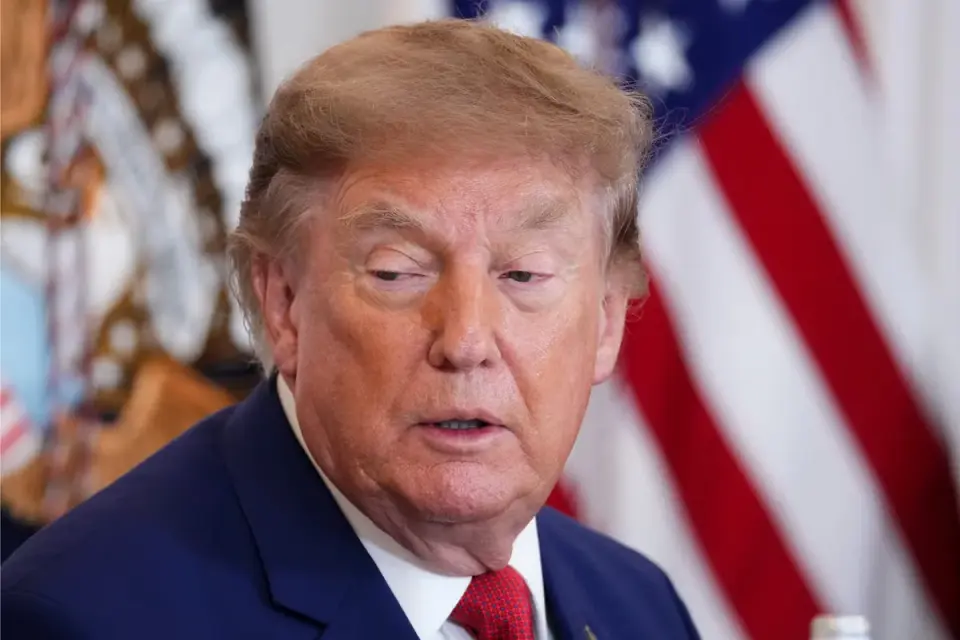
The US is urgently accelerating weapons production to offset munitions shortages caused by the ongoing war with Iran, while Saudi Arabia, Turkey, and Pakistan signed a new mutual defense pact to bolster regional security.
Key points
- Deputy Defense Secretary Steve Feinberg ordered defense contractors to dramatically increase production within three weeks, citing depleted stockpiles from the Iran conflict.
- Iran’s Supreme National Security Council stated the Strait of Hormuz will remain closed until the US meets six conditions, including ending the war and lifting sanctions.
- Saudi Arabia, Turkey, and Pakistan signed a NATO-style defense agreement in Mecca, stipulating that an attack on one is an attack on all.
- Iranian officials dismissed the new pact as a 'paper agreement' that will not guarantee Saudi security, while Turkish officials insisted it is not directed against Iran.
- A missile attack on a UAE carrier in the Strait of Hormuz was condemned by Abu Dhabi as an act of piracy, further escalating regional tensions.
Background
The current crisis follows months of escalating US-Iran hostilities, including a naval blockade and strikes on Iranian infrastructure. Previous negotiations aimed at reopening the Strait of Hormuz have stalled, with the US seeking a deal before lifting the blockade. The war has drained US munitions, prompting internal debates about the sustainability of a broader campaign, including potential ground operations.
How outlets are covering it
The Independent and CNN emphasize the US military’s urgent need to accelerate weapons production due to depleted stockpiles from the Iran war. CNN and Al Jazeera highlight the strategic shift in the Gulf, noting that Saudi Arabia is diversifying its security partnerships beyond the US by forming a new alliance with Turkey and Pakistan. While CNN frames the pact as a response to Iranian threats, Al Jazeera notes that Turkish officials insist the agreement is not directed against Iran. Iranian officials, cited by both CNN and Al Jazeera, dismiss the new pact as ineffective, arguing that it will not guarantee Saudi security.
Why it matters
The situation highlights a potential shift in regional security architecture, with Gulf states seeking alternative security guarantees as the US focuses on the Iran conflict. The US’s struggle to maintain munitions levels could impact its ability to sustain the war, while the new defense pact may alter the balance of power in the Middle East.
What to watch
The US is expected to receive proposals from defense contractors within three weeks to accelerate production. Iran’s six conditions for reopening the Strait of Hormuz remain a sticking point in negotiations. The new defense pact between Saudi Arabia, Turkey, and Pakistan may evolve into a broader alliance, with Egypt potentially joining, as practical details of the agreement are worked out.
- Iran live: Trump military chief seeks ‘off-ramp’ from conflict The Independent
- Saudi Arabia turns to Muslim military heavyweights in landmark defense pact as Iran war closes in CNN
- How Saudi-Turkey-Pakistan pact acts as ‘insurance’ over US disengagement South China Morning Post
- Turkiye says Mecca defence pact not aimed at Iran Al Jazeera
- Saudi Arabia, Turkey and Pakistan have signed a key defense agreement AP News
Want the full story? Read the original reporting
Read on The Independent