
Poland Averts Border Incident with Russia as Tusk Confirms Special Operation
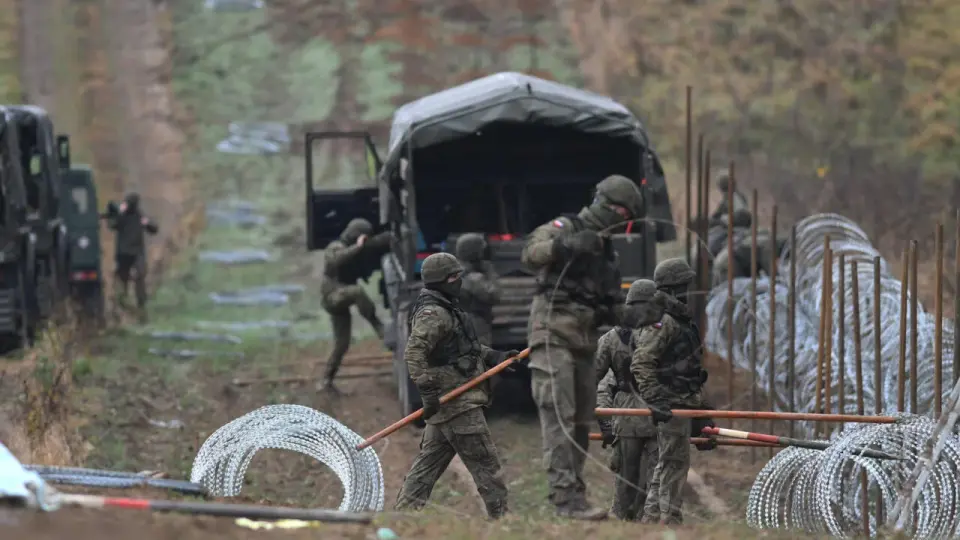
Polish Prime Minister Donald Tusk confirmed that security forces prevented a potential provocation on the border with the Russian exclave of Kaliningrad overnight. Tusk described the event as involving individuals with flashlights but could not confirm if it was a deliberate act of sabotage. This incident follows months of intelligence warnings from NATO allies regarding possible hybrid attacks or armed incursions in early November. Poland has launched a special operation in the Warmia-Masuria and Podlaskie regions, deploying counter-terrorism units and additional troops to strengthen border security. Tusk stated that Russia’s escalation is likely to continue and is not limited to this single event.
Key points
- Tusk reported receiving information just after midnight about disturbing movement on the Polish-Russian border, which security forces successfully prevented from escalating into an incident.
- The Polish government has initiated a special operation in the Warmia-Masuria and Podlaskie regions, involving police, military, border guards, and counter-terrorism units.
- Intelligence from NATO, Ukrainian, and US services, including the CIA, indicated that acts of sabotage or armed incursions were possible in the first half of November.
- Tusk acknowledged that while the overnight event was likely a provocation, it could not be confirmed with absolute certainty, and he warned that Russian escalation would continue.
- NATO Supreme Allied Commander in Europe, Gen. Alexus Grynkewich, had previously warned Tusk about potential escalations during a visit to Warsaw in October.
Background
This development follows months of heightened tensions, including a series of school attacks in Poland that prompted a national security crackdown and investigations into potential Russian disinformation campaigns. Additionally, Poland has faced internal political crises, including disputes over the Constitutional Tribunal, which some observers linked to broader geopolitical instability. The current border security measures are part of a broader strategy to counter hybrid warfare tactics aimed at destabilizing European security.
How outlets are covering it
France 24, The New York Times, and AP News all report on the same core event: the prevention of a potential provocation on the Polish-Russian border. However, they emphasize different aspects. France 24 and AP News focus on the immediate response and the lack of certainty regarding the nature of the incident, while The New York Times highlights the broader context of intelligence warnings and the potential for armed incursions. All sources agree on the involvement of counter-terrorism units and the coordination between police, military, and intelligence services. There is no significant disagreement among the outlets, but The New York Times provides more detail on the intelligence warnings and the timeline of potential threats.
Why it matters
The incident underscores the ongoing tensions between Poland and Russia, particularly in the context of NATO’s eastern flank. The deployment of counter-terrorism units and the special operation in the border regions indicate a significant escalation in security measures, reflecting the broader geopolitical instability in the region. The intelligence warnings from NATO allies suggest that Russia may be preparing for more serious hybrid attacks, which could have implications for European security and the stability of the region.
What to watch
Poland is expected to continue its special operation in the Warmia-Masuria and Podlaskie regions, with additional troops and counter-terrorism units deployed to strengthen border security. The government will likely monitor the situation closely and coordinate with NATO allies to address any further incidents. The incident may also lead to increased scrutiny of Russian activities in the region and potential diplomatic responses from NATO and the EU.
- Poland foils attempted 'provocation' on Russian border, PM Tusk says France 24
- Poland Beefs Up Security at Border With Russia The New York Times
- Tusk says Poland thwarted possible provocation on Kaliningrad border overnight AP News
- Premier Tusk Says Poland Foiled Possible Provocation at Russia Border Bloomberg.com
- Tusk Reports “Disturbing Movement” Near Kaliningrad Border as Poland Deploys Additional Forces UNITED24 Media
Want the full story? Read the original reporting
Read on France 24