
Putin Signs Fourth 2026 Decree, Expanding Russian Military to 2.44 Million
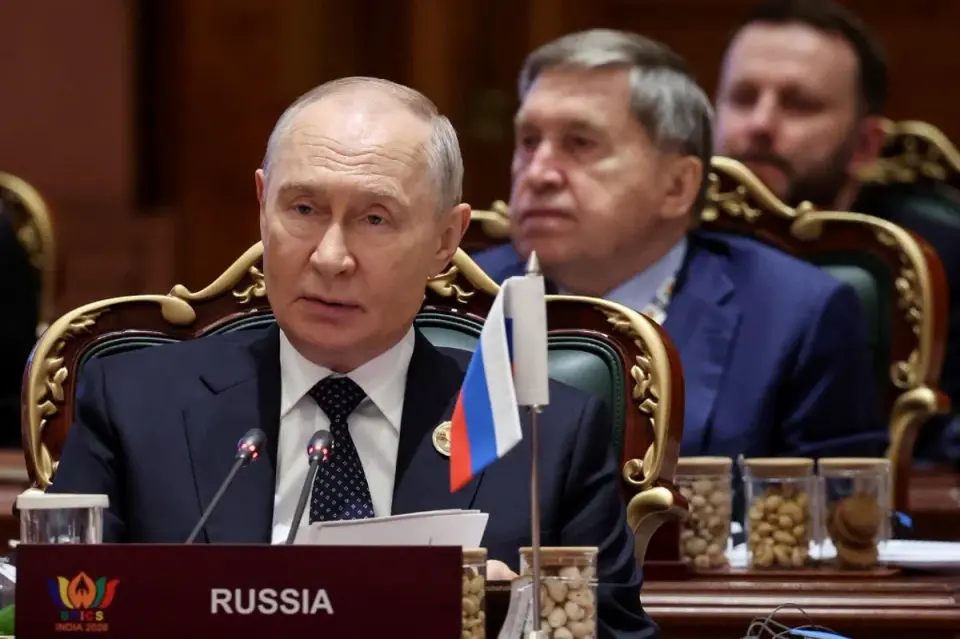
Vladimir Putin signed a decree on September 28, 2026, increasing the authorized size of the Russian Armed Forces to 2,441,630 personnel, including 1,550,500 active-duty troops. This marks the fourth expansion of the military’s authorized strength in 2026 and the seventh since the full-scale invasion of Ukraine began. The decree, which adds 15,500 personnel to the previous August figure, was published on Russia’s official legal portal and directs the government to allocate necessary federal budget funds. The move coincides with Ukrainian President Volodymyr Zelensky’s warnings that Russia has already initiated additional mobilization efforts and is expanding its use of foreign troops, particularly from North Korea. While the Kremlin denies new mobilization, Ukrainian intelligence estimates suggest plans to draft 300,000 personnel in 2026. The expansion also occurs amid rising tensions on NATO’s eastern flank, with several European leaders warning of potential hybrid or direct Russian attacks on their territories.
Key points
- Putin signed Decree No. 700 on September 28, 2026, setting the authorized strength of the Russian Armed Forces at 2,441,630 personnel, including 1,550,500 active-duty military personnel.
- This is the fourth decree increasing the military’s authorized size in 2026, following adjustments in March, June, and July, and the seventh since the start of the full-scale invasion.
- The new figure represents an increase of 15,500 personnel from the August 1 decree, which set the total at 2,426,130 personnel.
- The decree instructs the Russian government to allocate federal budget funds to the Defense Ministry to carry out the increase.
- Ukrainian President Volodymyr Zelensky warned that Russia has already begun additional mobilization and is expanding its use of North Korean troops, with over 8,000 already in Russia and up to 10,000 more planned.
- Ukrainian intelligence estimates that the Russian General Staff has developed a plan to mobilize an additional 600,000 people, with 300,000 in 2026 and another 300,000 in 2027.
Background
This development follows a series of incremental increases in the authorized size of the Russian Armed Forces throughout 2026, with previous decrees signed in March, June, and July. The expansion also occurs amid ongoing concerns about Russian mobilization efforts, which Ukrainian authorities have warned could begin in autumn 2026 following the State Duma parliamentary elections. The Kremlin has consistently denied new mobilization, but Ukrainian intelligence reports suggest preparatory measures, including tighter military-registration controls and additional penalties for ignoring electronic summonses. The expansion of Russian military forces also coincides with rising tensions on NATO’s eastern flank, with several European leaders warning of potential Russian hybrid or direct attacks on their territories.
How outlets are covering it
Kyiv Post, Ukrainska Pravda, UNITED24 Media, and Mezha all report on the decree increasing the authorized size of the Russian Armed Forces to 2,441,630 personnel, including 1,550,500 active-duty troops. Kyiv Post and UNITED24 Media emphasize the decree’s connection to Zelensky’s warnings about Russian mobilization and the expansion of North Korean troop presence. Ukrainska Pravda focuses on the decree’s details and its context within Putin’s recent statements about the Baltic states. Mezha highlights the broader shift in Moscow’s military spending, noting the draft 2027 budget’s allocation of 17.1 trillion rubles for defense. All sources agree on the decree’s significance as the fourth expansion in 2026 and the seventh since the full-scale invasion, but they differ in their emphasis on the implications for NATO and the potential for escalation in Europe.
Why it matters
The decree signals a continued expansion of the Russian military’s authorized strength, which could have significant implications for the ongoing conflict in Ukraine and the broader security situation in Europe. The increase in active-duty personnel, combined with Zelensky’s warnings about Russian mobilization and the expansion of North Korean troop presence, suggests that Russia may be preparing for a sustained and potentially more aggressive military campaign. The decree also coincides with rising tensions on NATO’s eastern flank, with several European leaders warning of potential Russian hybrid or direct attacks on their territories. The expansion of Russian military forces, coupled with significant increases in defense spending, could further strain the Russian economy and potentially lead to further escalation in the conflict.
What to watch
The next steps will likely involve the implementation of the decree, including the allocation of federal budget funds to the Defense Ministry to carry out the increase in the authorized size of the Russian Armed Forces. Ukrainian authorities will likely continue to monitor Russian mobilization efforts and the deployment of North Korean troops. NATO member states, particularly those on the eastern flank, will likely increase their security measures and prepare for potential Russian hybrid or direct attacks. The Russian government will likely submit the draft 2027 budget to the State Duma on October 1, which will include significant increases in defense spending. The conflict in Ukraine is expected to continue, with potential for further escalation and increased military activity on both sides.
- Putin Orders Russian Army Boosted to 2.44 Million, Adding 1.5 Million Troops as NATO Braces for Escalation Kyiv Post
- Putin signs decree increasing size of Russian armed forces Українська правда
- Putin Adds 15,500 Active Troops to Russia’s Military, Raising Force to 1.55 Million UNITED24 Media
- Putin calls up thousands more soldiers to military despite claiming he 'not preparing' for war against Europe the-sun.com
- Putin Raises Russia’s Authorized Military Personnel by 15,500 for Fourth Time in 2026 Межа. Новини України.
Want the full story? Read the original reporting
Read on Kyiv Post