
Strait of Hormuz Attacks Surge to Record Levels, Threatening U.S. Oil Workarounds
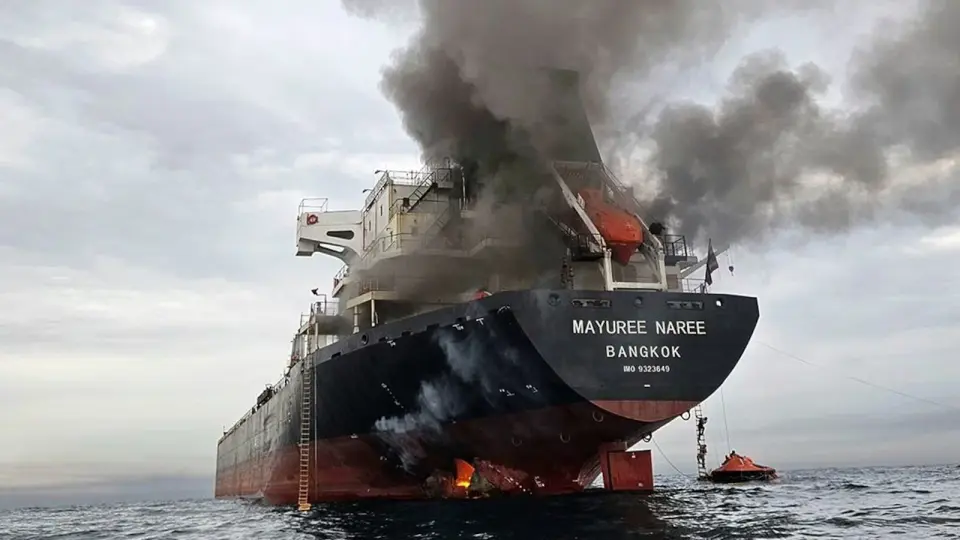
Attacks on vessels in the Strait of Hormuz have reached their highest frequency since the U.S.-Israel-Iran conflict began in late February. Data from maritime organizations shows a sharp spike in October and November, with the U.K. Maritime Trade Operations reporting 31 incidents in October and 19 in November. These strikes appear designed to disrupt U.S.-facilitated ship-to-ship transfer routes that keep oil flowing despite Iranian blockades. While the U.S. maintains a naval blockade, Iran is escalating attacks to make these workarounds costly and unreliable, aiming to force Washington to negotiate. The conflict has also resulted in significant human casualties among civilian seafarers, with at least 25 killed since the escalation.
Key points
- Incident rates in the Strait of Hormuz have exceeded previous monthly averages, with 50 total attacks reported in October and November compared to 53 in the prior seven months.
- Iran is targeting the U.S.-facilitated 'ship-to-ship' transfer system, where smaller tankers cross the strait with tracking off to avoid detection, by making the route high-risk.
- The U.S. naval blockade, in place since April 13, has been met with Iranian counter-adaptation, including drone strikes on vessels not actively crossing the strait.
- At least 25 civilian seafarers have been killed in the region since the conflict began, highlighting the human cost of the maritime disruption.
- Iran aims to demonstrate that the U.S. cannot guarantee maritime security, seeking to generate economic pressure to force a negotiated end to the conflict.
Background
This escalation follows a period where Persian Gulf oil exports briefly surpassed pre-war levels in early October due to alternative routes, despite a 40% drop in direct Strait transit. The U.S. established Task Force Iron Gate in November to enforce the blockade, while Gulf mediators in Doha attempted to secure a deal before U.S. midterm elections. Recent exchanges, including a U.S. strike on a Qeshm Island missile site, underscore the ongoing volatility.
How outlets are covering it
ABC News emphasizes the strategic logic behind Iran's attacks, noting that they target U.S. workarounds to make oil flows unreliable. The International Crisis Group and Center for International Policy analysts argue that Tehran is trying to prove the U.S. cannot guarantee maritime security. In contrast, the secondary source from Geosirius focuses on the human toll, highlighting that 25 civilian seafarers have been killed and that commercial crews face extreme psychological trauma and safety risks. While ABC News notes the economic pressure on Washington, the secondary source argues that international responses prioritize energy security over civilian safety mandates.
Why it matters
The surge in attacks threatens the stability of global energy supplies, as the Strait of Hormuz carries roughly a fifth of the world's petroleum. Disruptions could lead to higher oil prices and broader economic consequences. The human cost, including the deaths of civilian mariners, underscores the severe risks faced by those in the global supply chain, potentially leading to increased insurance premiums and shipping delays.
What to watch
Analysts expect a continued cycle of adaptation and counter-adaptation between the U.S. and Iran. If the U.S. cannot make the ship-to-ship transfer system viable, oil flows may drop further, increasing pressure on Washington to negotiate. The international community may need to implement stricter liability laws for shipping companies and establish safer transit corridors to protect civilian crews.
- Strait of Hormuz attacks have increased to highest level since Iran war began ABC News - Breaking News, Latest News and Videos
- The Real Human Cost Of The Conflict Around The Strait Of Hor ИФЗ РАН
- Hormuz is a global responsibility, not just a regional crisis The Arab Weekly
Want the full story? Read the original reporting
Read on ABC News - Breaking News, Latest News and Videos