
The 25-Year Verdict: How the Iraq War Doomed Afghanistan
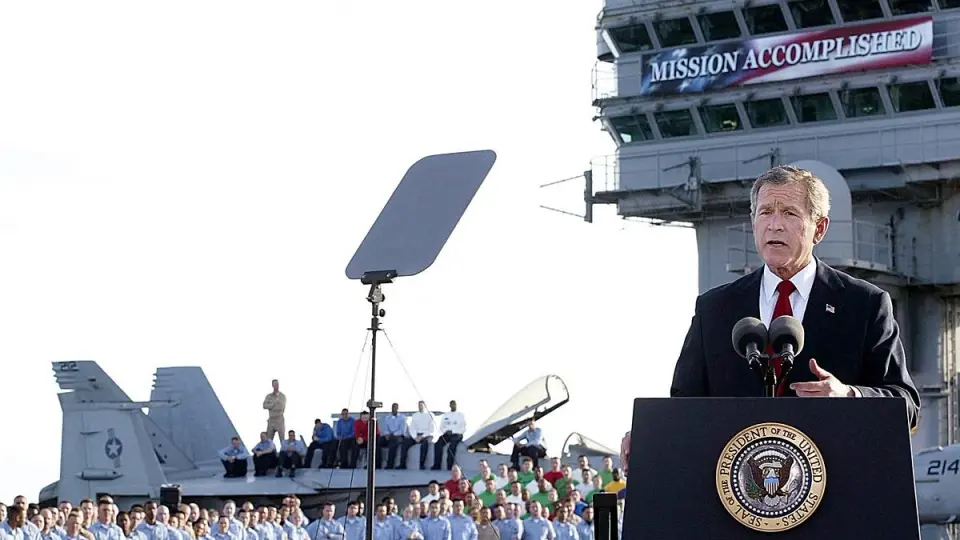
Marking the 25th anniversary of the US invasion of Afghanistan, analysts are debating whether the war was a failure of execution or a strategic error. While some argue the US overreacted, others contend that the administration underreacted by diverting resources to Iraq, allowing the Taliban to regroup and eventually retake power.
Key points
- The US invasion in 2001 rapidly ousted the Taliban with the help of the Northern Alliance, but the subsequent failure to maintain a strong military presence allowed the insurgency to rebuild.
- Critics argue that the Bush administration’s focus on Iraq starved Afghanistan of necessary troops and diplomatic attention, particularly regarding Pakistan, which harbored Taliban leaders.
- The current Taliban regime is cited as a global outlier for human rights, specifically banning girls over 12 from education and harboring jihadist militants.
- Reports indicate that al-Qaeda cells are regrouping in Afghanistan, with some suggesting Osama bin Laden’s son, Hamza, may be leading the organization.
- The Pentagon is reviewing classified documents from the 2021 withdrawal, though no public details have been released yet.
Background
This debate occurs five years after the US withdrawal in 2021. Recent developments include the Trump administration’s sanctions against the International Criminal Court over Afghanistan war crimes probes and ongoing reviews of the chaotic Kabul airport exit. The current situation in Afghanistan is often compared to the failed post-invasion stability in Iraq, highlighting the long-term consequences of US foreign policy decisions in the region.
How outlets are covering it
Matthew Yglesias of Slow Boring argues that the US did not overreact but rather 'massively underreacted' in Afghanistan. He contends that the Bush administration’s decision to invade Iraq diverted critical troops and diplomatic leverage away from a winnable war in Afghanistan. He cites Carlotta Gall’s book 'The Wrong Enemy' to support the view that a larger, earlier commitment could have prevented the insurgency. In contrast, the Foundation for Defense of Democracies (FDD) frames the 25-year anniversary as a clear failure of 'Operation Enduring Freedom,' focusing on the resurgence of al-Qaeda and the rise of other jihadist groups. While Yglesias emphasizes the strategic error of prioritizing Iraq, FDD highlights the cascading terrorism threats that resulted from the initial campaign's incomplete objectives. Both sources agree that the current Taliban rule is a tragic outcome, but they differ on whether the primary failure was the scale of the initial response or the broader counterterrorism strategy.
Why it matters
The debate over the Afghanistan war’s legacy influences current US foreign policy and counterterrorism strategies. Understanding whether the failure was due to under-resourcing or strategic missteps helps inform future interventions. The current Taliban regime’s repression of women and harboring of terrorists pose ongoing regional and global security risks, making the historical analysis of the 2001-2021 period crucial for preventing similar outcomes in other conflict zones.
What to watch
The Pentagon’s review of classified documents from the 2021 withdrawal may provide new insights into the decision-making process. The ongoing presence of al-Qaeda and other jihadist groups in Afghanistan will likely remain a focus for US and international counterterrorism efforts. The Taliban’s continued repression of women’s rights may lead to further international sanctions or diplomatic isolation.
- Who lost Afghanistan? Slow Boring
- The Afghanistan War Began 25 Years Ago. Its Legacy Is Still Being Written Military.com
- Operation Enduring Failure: 25 years after the US invasion of Afghanistan Foundation for Defense of Democracies
Want the full story? Read the original reporting
Read on Slow Boring