
Trump delays Iran strike decision until January as Gulf states face renewed Iranian attacks
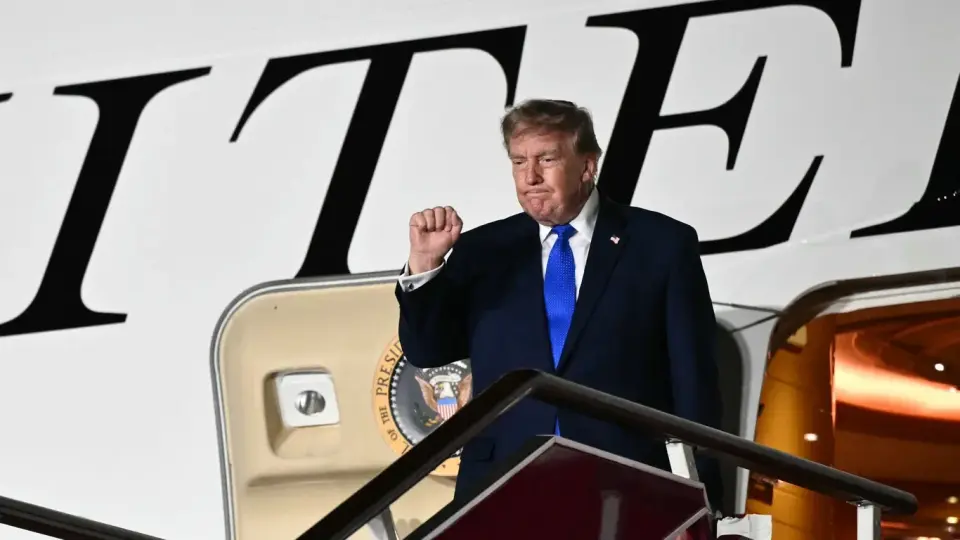
President Donald Trump stated he is 'not rushing' into a decision on striking Iran, indicating a choice will be made after the start of 2027. This pause follows a period of intensified conflict, including Iranian drone strikes on Bahrain and Kuwait and U.S. precision strikes on Qeshm Island. While the White House assesses potential military options, Gulf nations face severe economic damage from the ongoing naval blockade and contested control of the Strait of Hormuz.
Key points
- Trump told Axios and Channel 12 he is not rushing a decision on Iran, deferring the choice until after January 2027.
- The White House has requested Pentagon and intelligence assessments on how Iran might respond to various strike scenarios, including targets like nuclear facilities and power plants.
- Iran launched drone attacks on U.S. bases in Bahrain and Kuwait, prompting U.S. 'self-defense' strikes on an IRGC missile site on Qeshm Island.
- The Strait of Hormuz remains contested, with 16 attacks on ships in the first half of November and oil prices remaining significantly higher than pre-war levels.
- Mossad director Roman Gofman visited Washington to press for resuming the war, citing intelligence on Iranian chemical weapons development.
Background
The current standoff follows a U.S.-Israeli war with Iran that began in February 2026. Recent months have seen stalled peace talks, with Iran blaming the U.S. for a lack of progress. The conflict has caused significant economic contraction in the Gulf, with the IMF projecting a 5% GDP drop for the region this year. Republicans recently lost their congressional majority in the midterms, adding political pressure to resolve the conflict before Democrats take control in January.
How outlets are covering it
Axios and The Times of Israel highlight Trump's stated hesitation, noting that he previously claimed indecision before launching the initial war in February. The Washington Post emphasizes that the war is not over, citing Iran's emboldened posture and the unresolved issues of the Strait of Hormuz and nuclear program. CBS News focuses on the immediate military escalation, detailing the tit-for-tat strikes between the U.S. and Iran, as well as the broader regional impact, including Saudi Arabia's prolonged conflict with the Houthis in Yemen. While the White House claims economic pressure is crushing Iran, analysts and Gulf residents report that the economic damage is severe and the region remains in a state of simmering conflict with no clear path to peace.
Why it matters
The delay in a U.S. decision allows the current naval blockade and economic sanctions to continue, potentially forcing Iran to the negotiating table or leading to a broader conflict in 2027. The ongoing instability in the Strait of Hormuz threatens global oil supplies and has caused significant economic hardship for Gulf states, which are increasingly looking to diversify their security partnerships away from the U.S. The potential for a joint U.S.-Israel strike remains a critical risk, with intelligence suggesting Iran is advancing its chemical weapons capabilities.
What to watch
Trump is expected to return from Asia and resume deliberations on military options. The White House is awaiting assessments on how Iran would respond to potential strikes. Iran has warned that it will determine the 'geography of the battlefield' if the U.S. makes another mistake. The situation will likely remain volatile until the new Democratic-controlled Congress settles in early 2027, with both sides wary of appearing weak in negotiations.
- Trump to Axios: I'm "not rushing into a decision" on Iran Axios
- Trump is trying to put the Iran war behind him, but it’s not over The Washington Post
- Iran War Updates: Trump says Tehran may be working on chemical or biological weapons as tension mounts CBS News
- Trump says US will 'see what happens' in conflict with Iran after January 1 Reuters
- Trump says he’s ‘not rushing’ into Iran strike, will wait until January The Times of Israel
Want the full story? Read the original reporting
Read on Axios