
Turkey and Qatar formalize mutual defense pact amid Gulf realignment
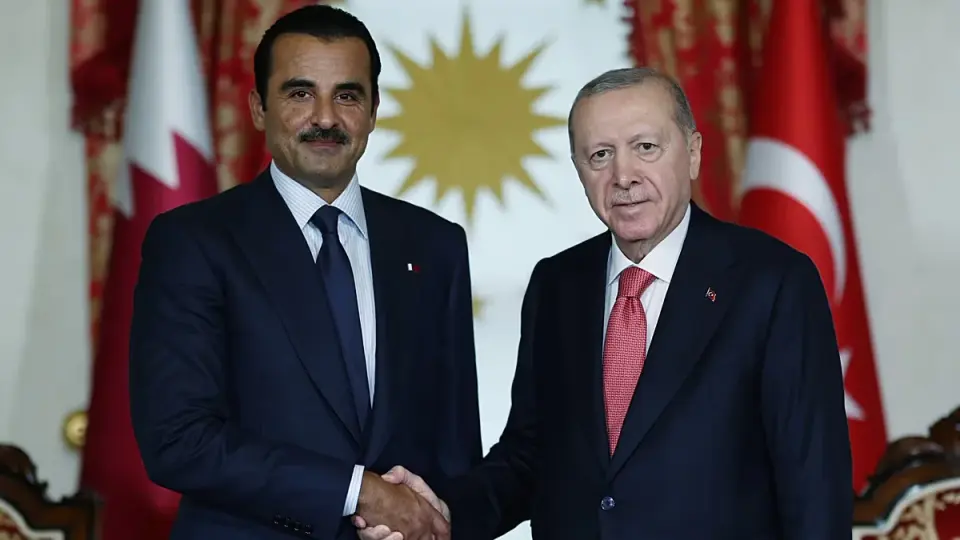
Turkey and Qatar signed a mutual defense agreement in Istanbul on November 13, pledging a unified response to external armed attacks. The deal, co-signed by President Recep Tayyip Erdogan and Emir Sheikh Tamim bin Hamad Al Thani, includes provisions for joint military exercises, defense industry cooperation, and personnel training. This move follows the recent ratification of the Mecca Joint Defence Agreement involving Turkey, Saudi Arabia, and Pakistan, reflecting a broader shift in Gulf security alliances amid ongoing regional conflicts.
Key points
- Erdogan and Al Thani signed the pact during a meeting in Istanbul, concluding a session of the Supreme Strategic Committee.
- The agreement aims to bolster collective defense and regional stability, with both nations agreeing to consult on security threats.
- The deal includes expanded cooperation in defense industries and joint military training, according to a joint statement.
- The signing occurs as Gulf nations diversify security partnerships due to perceived shifts in US global strategy and ongoing conflicts in the region.
- The leaders also discussed the humanitarian situation in Gaza, normalization efforts in Syria, and developments in Libya.
Background
This agreement follows the August 2026 signing of the Mecca Joint Defence Agreement between Turkey, Saudi Arabia, and Pakistan, which was ratified by the Turkish parliament in November 2026. Earlier in October, these three nations activated the pact to deploy forces in response to Houthi attacks on Saudi Arabia. The current Turkey-Qatar deal is part of a broader trend of regional defense realignments, including a multilateral memorandum of understanding signed in October involving Qatar, Turkey, Pakistan, and Indonesia.
How outlets are covering it
Euronews and Dawn emphasize the strategic partnership and 'unified position' against external attacks, highlighting the expansion of defense industry cooperation. Al Jazeera frames the pact within the context of the ongoing US-Israel war on Iran and regional instability, noting that experts view the agreement as a deterrence measure rather than preparation for imminent escalation. JNS.org points out that while both nations are US allies, their shared support for groups like Hamas and the Muslim Brotherhood often places them at odds with Israel and the UAE, and notes that Qatar has faced Iranian missile attacks since the February war began. All sources agree on the core terms of the mutual defense commitment but differ in their emphasis on the geopolitical implications regarding Israel, Iran, and US relations.
Why it matters
The pact signals a significant shift in Middle Eastern security architecture, moving away from sole reliance on US security guarantees. By formalizing mutual defense ties, Turkey and Qatar are creating a new layer of deterrence in a region marked by 'no war, no peace' dynamics. This could influence future diplomatic and military responses to conflicts in Gaza, Syria, and the broader Gulf, potentially altering the balance of power among regional actors.
What to watch
Observers will watch for the implementation of joint military exercises and defense industry projects outlined in the agreement. The formal entry into force of the related Mecca Joint Defence Agreement depends on the deposit of ratification instruments with a joint strategic committee. Additionally, the impact of these new alliances on ongoing negotiations regarding Gaza and regional normalization efforts will be closely monitored.
- Qatar and Turkey announce a landmark defence alliance Euronews
- Iran war updates: Qatar, Turkiye ink defence deal; fighting rages in Yemen Al Jazeera
- Turkey, Qatar sign mutual defence agreement, pledge unified stance against attack Reuters
- Qatar, Turkey ink mutual-defense pact JNS.org
- Turkiye, Qatar sign defence agreement: Turkish presidency Dawn
Want the full story? Read the original reporting
Read on Euronews