
Tusk warns Russia is preparing for escalation within 7-8 months, citing intelligence and public signals
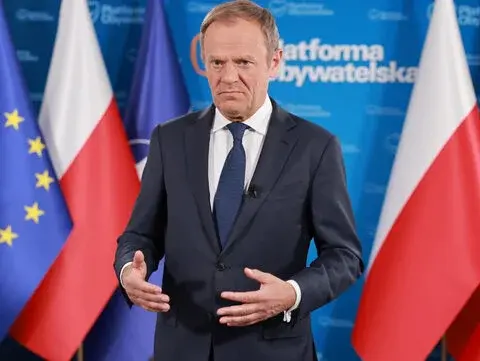
Polish Prime Minister Donald Tusk warned that Russia is seriously preparing to escalate tensions in Ukraine and across Europe, identifying the next seven to eight months as a critical window for regional security. Tusk stated that Poland was not caught off guard by CIA Director John Ratcliffe’s recent visit to Moscow, as Warsaw maintains constant contact with the agency. He emphasized that the threat extends beyond the CIA trip, citing numerous public signals of Russian preparation for autumn and winter. This warning follows similar alerts from Baltic states and aligns with broader concerns about rising military risks and potential miscalculation in the region.
Key points
- Tusk identified a 7-8 month window as critical for regional security, citing signs of Russian escalation preparations.
- Tusk confirmed Poland was not surprised by CIA Director John Ratcliffe’s visit to Moscow, noting ongoing intelligence sharing.
- Tusk stated that the threat is not limited to the CIA visit but involves multiple public signals of Russian intent.
- Russian officials have openly described Ukraine as a territory for energy export, signaling aggressive strategic goals.
- The warning follows similar alerts from Lithuanian President Gitanas Nausėda regarding potential strikes on Baltic infrastructure.
Background
This warning follows a series of escalating tensions in late 2026. In early August, Ukrainian President Volodymyr Zelenskyy warned of Russian escalation preparations, citing increased missile production and mobilization. On August 27, CIA Director John Ratcliffe visited Moscow to warn against attacks on NATO allies, particularly the Baltics. Shortly after, Russia tested a nuclear-capable intercontinental ballistic missile. Additionally, a US intelligence report from August suggested Russia could attack NATO within weeks, with a threat window extending to 2029. These events occurred amid broader concerns about hybrid threats, including drone incursions and espionage cases in Europe.
How outlets are covering it
Euromaidan Press and Ukrainian Pravda focus on Tusk’s specific warning about the 7-8 month window and his reassurance that Poland was not caught off guard by the CIA’s Moscow visit. They emphasize the public nature of Russian escalation signals, including statements by State Duma vice-speaker Pyotr Tolstoy. Politico, however, highlights the diplomatic dimension, quoting Russian envoy Nikolay Korchunov’s call for increased NATO-Russia dialogue to prevent accidental war, while noting the lack of EU-Russia communication. The i Paper provides a broader strategic analysis, detailing potential scenarios for a Russian attack on NATO, including seizures of Svalbard or Åland Islands, and the logistical challenges NATO faces in responding. While Euromaidan Press and Ukrainian Pravda focus on the immediate threat perception, Politico emphasizes the risk of miscalculation, and The i Paper focuses on the mechanics of a potential conflict.
Why it matters
Tusk’s warning signals a shift in European security posture, with key NATO members viewing the next 7-8 months as a critical period for potential Russian escalation. The alignment of intelligence assessments from Poland, the Baltics, and the US suggests a coordinated concern about Russian military preparations. This could lead to increased defense spending, accelerated military exercises, and heightened diplomatic efforts to prevent miscalculation. The potential for a Russian attack on NATO territory, as suggested by US intelligence, raises the stakes for European security and could impact global energy markets and supply chains.
What to watch
NATO and its members are likely to increase military readiness and intelligence sharing in the coming months. There may be further diplomatic efforts to restore military-to-military dialogue with Russia, as suggested by Korchunov, though EU-Russia relations remain strained. European countries may accelerate defense spending and military exercises, particularly in the Baltic and Eastern European regions. The US may continue to provide support to Ukraine and NATO allies, though Trump’s administration has expressed a desire to end the war. Monitoring of Russian military movements and public statements will be crucial in assessing the risk of escalation.
- After CIA head's visit to Moscow, Poland's PM warns Russia is preparing to escalate war. He puts critical window at seven or eight months Euromaidan Press
- Polish PM: Russia is preparing for escalation, next 7–8 months will be critical Українська правда
- NATO and Moscow must increase dialogue to avoid accidental war, Russian envoy says politico.eu
- Minute by minute, how a Russian attack on Europe would unfold The i Paper
- Tusk after talks with Rutte: Ukraine needs greater air support amid Russian escalation Ukrinform
Want the full story? Read the original reporting
Read on Euromaidan Press