
Ukraine Sanctions 'Masha and the Bear' Creators, Citing Propaganda Risks
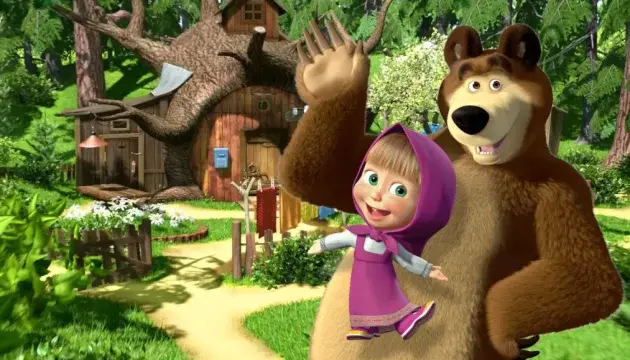
Ukrainian President Volodymyr Zelensky signed decrees imposing sanctions on the creators and distributors of the animated series 'Masha and the Bear.' The measures target five Russian individuals and four organizations, including the studio Animaccord, citing the show's role in spreading pro-Kremlin narratives to a global child audience. The sanctions include asset freezes and restrictions on commercial activity within Ukraine, potentially limiting the cartoon's availability on platforms like YouTube. While Kyiv frames this as a national security measure against disinformation, the Kremlin condemned the move, and the studio disputes the propaganda allegations.
Key points
- President Zelensky signed four decrees enacting sanctions against Russian defense enterprises, Rusal group companies, and the 'Masha and the Bear' creators.
- The sanctions list includes five Russian citizens and four entities, specifically targeting Animaccord Animation Studio, its founder, and principal creators.
- Andrii Kovalenko, head of Ukraine's Center for Countering Disinformation, stated the cartoon aims to shape perceptions of Russia among children globally.
- The measures include asset freezes and restrictions on the use and distribution of copyrighted material in Ukraine.
- Ukrainian authorities plan to seek similar sanctions from international partners to widen the impact beyond national borders.
Background
Ukraine has long scrutinized the cartoon for containing Soviet and Russian military imagery, with a 2017 film agency commission considering a ban. The issue resurfaced in 2025 when the series ranked as the most popular children's channel among Ukrainian viewers. This latest action follows earlier coverage in August 2026 regarding the initial imposition of these sanctions and the subsequent diplomatic push for international support.
How outlets are covering it
Ukrinform and Euronews report that Ukrainian officials, including CCD chief Andrii Kovalenko, view the cartoon as a tool for shaping global child perceptions of Russia. Euronews notes that over 50 British MPs also urged streaming platforms to remove the content due to military imagery. Conversely, the Kremlin spokesperson Dmitry Peskov condemned the sanctions as an act of 'ugliness,' while Animaccord strongly rejects the propaganda allegations, insisting the studio operates independently. The sources agree on the facts of the sanctions but differ in framing: Kyiv emphasizes national security and disinformation, while critics view it as censorship of cultural content.
Why it matters
This move highlights the escalating conflict over cultural and informational influence in the Russia-Ukraine war. By targeting a globally popular children's franchise, Ukraine aims to disrupt what it perceives as a long-term propaganda strategy. The potential for international partners to mirror these sanctions could significantly impact the cartoon's global distribution and set a precedent for regulating media content in geopolitical disputes.
What to watch
Ukraine intends to work with international partners to 'cleanse the information space' of the product, potentially leading to broader restrictions on the cartoon's availability on global platforms like YouTube. The Kremlin and Animaccord are expected to continue disputing the allegations, while the effectiveness of the sanctions in limiting the show's reach remains to be seen.
- 'Masha and the Bear' promotes pro-Russian narratives disguised as children's content – CCD chie Ukrinform
- 'Masha and the Bear': Ukraine sanctions Russian cartoon DW
- Ukraine sanctions ‘Masha and the Bear’ cartoon over alleged Russian propaganda Euronews.com
- New Ukrainian sanctions target multiple levels of Russia's war machine – sanctions commissioner Ukrinform
- Mongolia hosts UN desertification summit as drought crisis deepens Inbox.eu
Want the full story? Read the original reporting
Read on Ukrinform