
Ukraine Sanctions 'Masha and the Bear' Creators, Citing Propaganda Risks
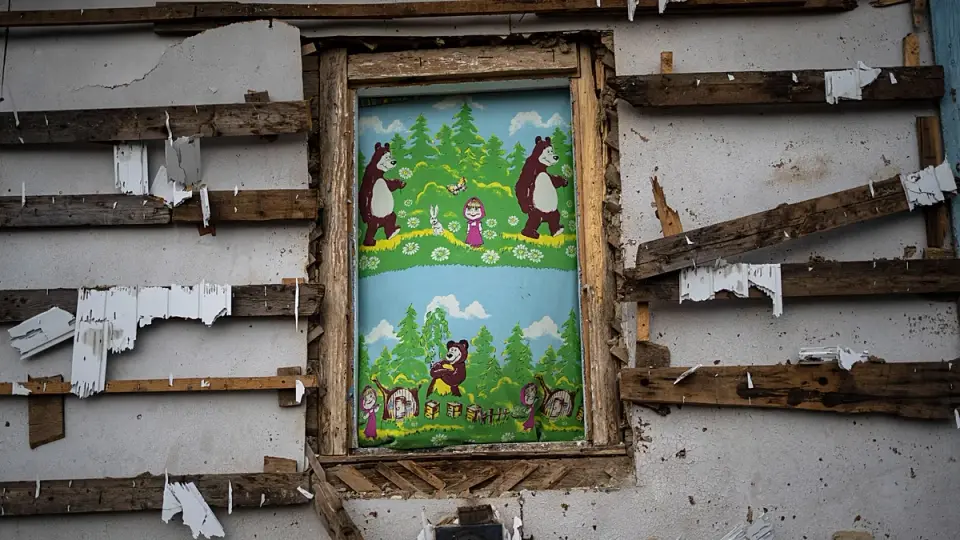
Ukraine has sanctioned the creators and distributors of the popular Russian children’s cartoon 'Masha and the Bear,' accusing the series of spreading pro-Kremlin narratives. President Volodymyr Zelenskyy signed a decree targeting the studio Animaccord and five individuals, including its founder. The measures include asset freezes and restrictions on commercial activity, providing legal grounds to block the content on platforms like YouTube and Netflix within Ukraine. While Kyiv frames this as a national security measure against soft power, the Kremlin and the studio deny any propaganda intent, calling the move an attack on global cultural success.
Key points
- Zelenskyy signed a new sanctions package targeting the military-industrial complex and cultural entities, including the creators of 'Masha and the Bear.'
- Five Russian citizens and four organizations, including Animaccord, are subject to asset freezes and commercial restrictions in Ukraine.
- The sanctions allow Ukrainian authorities to request that global platforms restrict monetization and distribution of the cartoon to Ukrainian audiences.
- Critics argue the show normalizes Soviet and Russian military imagery for children, while supporters view it as a global cultural phenomenon with billions of views.
- Ukraine intends to seek international cooperation to mirror these sanctions, potentially widening their impact beyond its borders.
Background
Ukraine has long scrutinized Russian cultural exports, with concerns about 'Masha and the Bear' dating back to 2017. The issue resurfaced in 2025 when the cartoon became the most popular children’s channel in Ukraine. This latest action is part of a broader strategy to dismantle Russian influence, following earlier sanctions on defense and aluminum sectors. The move also follows a 2025 protest against Netflix acquiring rights to new seasons of the show.
How outlets are covering it
Euronews and Al Jazeera emphasize the propaganda angle, citing Ukrainian officials who describe the cartoon as a threat to national security. Al Jazeera notes the show’s massive global reach, with over 37 billion views, and highlights opposition from the Kremlin and the studio. Ukrinform frames the sanctions as part of a broader effort to disrupt Russia’s war machine, including defense supply chains, and notes the potential for international partners to mirror the restrictions. All sources agree on the facts of the sanctions but differ in emphasis: Euronews and Al Jazeera focus on the cultural and propaganda aspects, while Ukrinform highlights the strategic and economic implications.
Why it matters
The sanctions signal Ukraine’s intent to combat Russian soft power and influence over children, potentially setting a precedent for other countries to restrict Russian cultural content. The move could impact global platforms and the distribution of popular media, raising questions about the intersection of culture, politics, and national security.
What to watch
Ukraine plans to engage international partners to mirror the sanctions, potentially leading to broader restrictions on the cartoon’s distribution. The Kremlin and Animaccord are expected to continue denying the propaganda allegations, and the situation may escalate into a diplomatic dispute over cultural censorship.
- Ukraine sanctions ‘Masha and the Bear’ cartoon over alleged Russian propaganda Euronews.com
- 'Masha and the Bear': Ukraine sanctions Russian cartoon dw.com
- Ukraine sanctions popular Russian cartoon ‘Masha and the Bear’ Al Jazeera
- Zelensky bans ‘Russian propaganda’ cartoon about girl and circus bear The Times
- New Ukrainian sanctions target multiple levels of Russia's war machine – sanctions commissioner Ukrinform
Want the full story? Read the original reporting
Read on Euronews.com